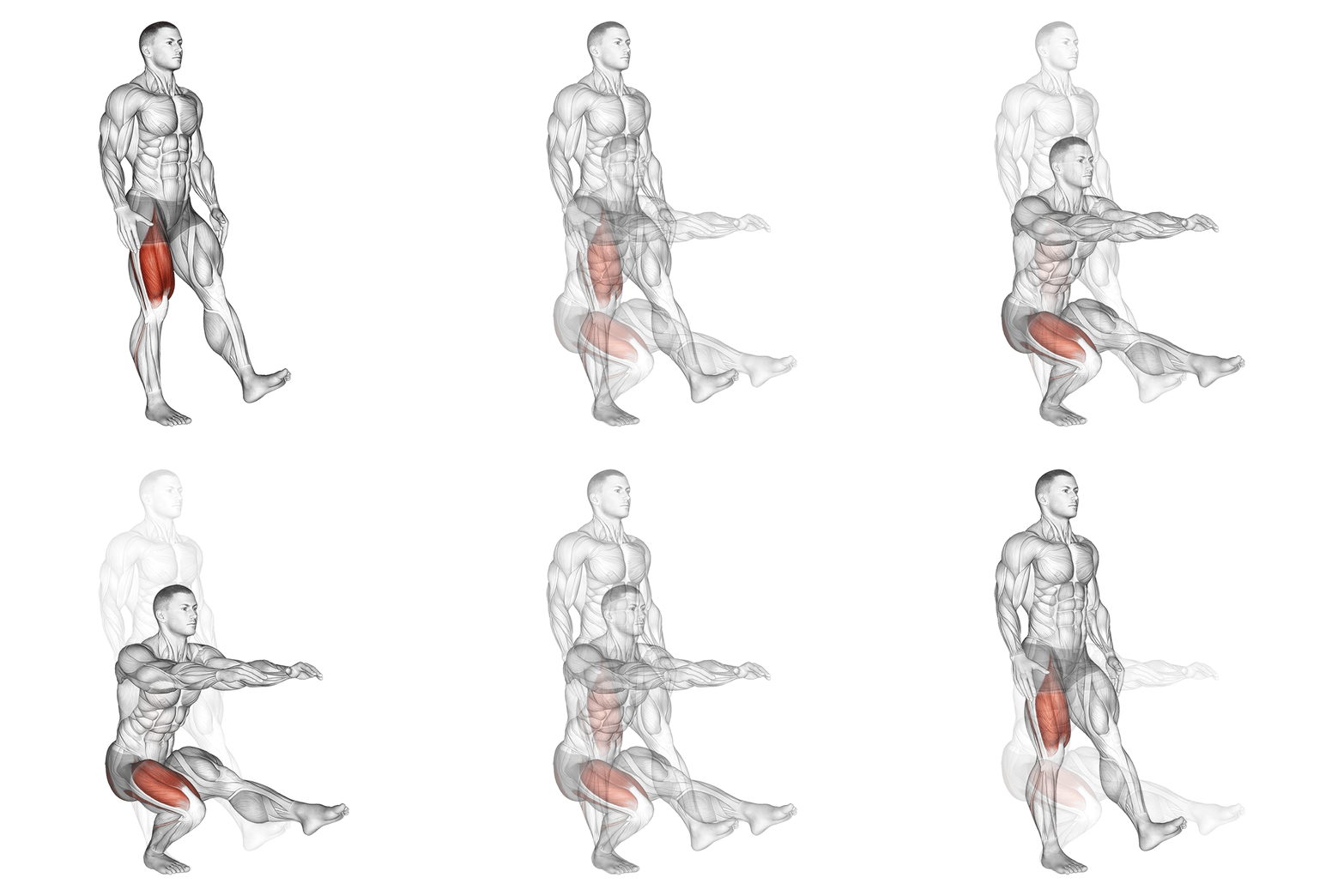
What is the pistol squat?
The pistol squat is a single-leg squat performed to full depth, with the non-working leg extended straight out in front. The working leg's heel stays planted, the working foot's full range is loaded, and you control the descent until the hamstring touches the calf, then stand back up. It demands ankle dorsiflexion, hip flexion strength, single-leg balance, and serious quad and glute strength all at once. Hybrid athletes love it because it exposes left-right imbalances, builds eccentric leg control that transfers to downhill running, and requires zero equipment. It's the bodyweight movement that earns you the right to call your legs strong.
How to do the pistol squat
- 1
Set the stance
Stand on one leg, other leg extended in front and slightly off the floor. Arms out front for balance counterweight.
- 2
Sit down and back
Push hips back like you're sitting in a low chair behind you. Knee tracks over the toes. Keep the front leg parallel to the ground if you can.
- 3
Descend with control
Lower slowly, three to four seconds. Heel glued to the floor. Hamstring should eventually touch calf at the bottom. No bounce.
- 4
Drive up through the heel
Press the floor away through the whole foot, emphasis on the heel. Stand all the way tall. Reset balance, switch legs.
Pro tip
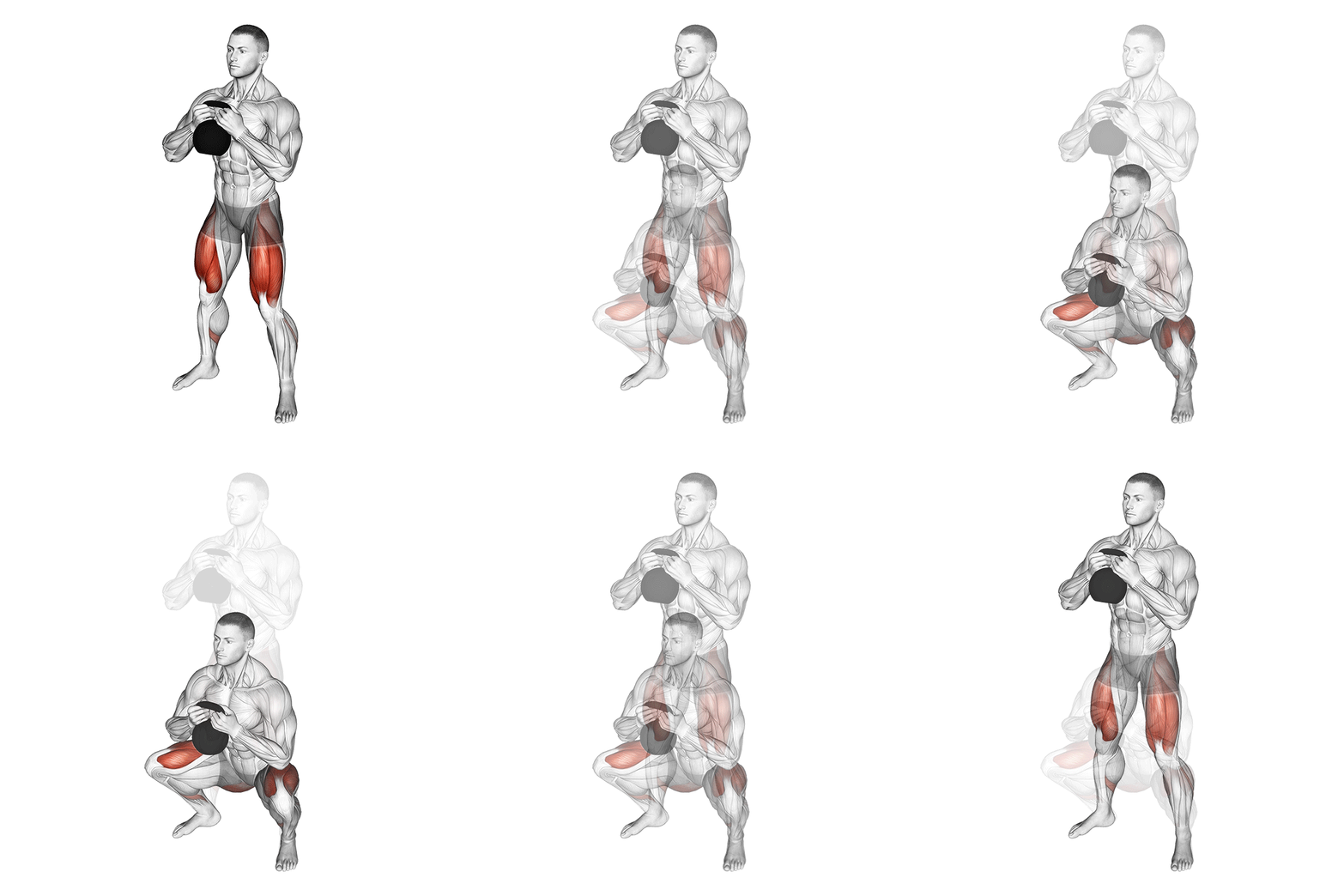
Hold a light dumbbell (2 to 5 kg) at the chest as a counterweight. It actually makes the pistol easier by shifting your center of mass forward, which lets you sit deeper without falling back. Most people learn faster with the counterweight than without.
Common mistakes
Heel lifting.
If the heel pops, your ankle mobility is the bottleneck. Work calf and ankle mobility daily, or elevate the heel on a small plate while you build range.
Knee collapsing inward.
Single-leg valgus is brutal on the knee joint. Push the knee out over the second and third toes. Drop range if you can't control it.
Dropping into the hole.
Free-fall to the bottom builds nothing and risks the knee. The training value is in the slow controlled descent, the eccentric.
Foot of the free leg dragging.
If the free leg touches the floor, you're using two legs. Keep it elevated through the full rep, even if that means starting from a box.
Variations and progressions
Easier
Box pistol or assisted pistol
Sit down to a box (knee-height or higher) and stand back up one-legged. Or hold a TRX/rings for assistance. Both build the strength to do free pistols.
Harder
Weighted pistol squat
Hold a dumbbell or kettlebell at the chest, 8 to 20 kg. The single hardest unilateral leg movement in your toolkit.
Knee issues?
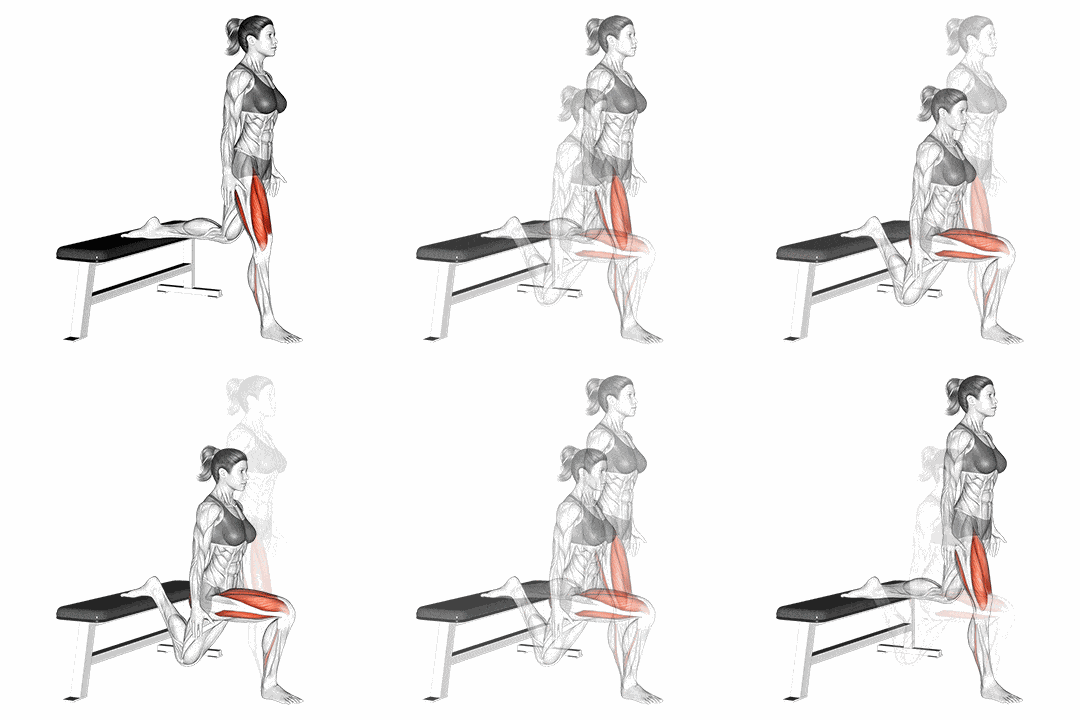
Bulgarian split squat or step-up
Both load one leg at a time without the deep knee flexion of a pistol. Less mobility demand, similar single-leg strength stimulus.
How to program it
Three protocols by goal. Pick one per cycle and aim for progression on load or distance.
| Goal | Sets × distance | Load | Rest |
|---|---|---|---|
| Technique / mobility | 4 × 3-5 per leg, slow eccentric | Bodyweight, counterweight optional | 60-90 s |
| Strength | 5 × 5 per leg, weighted | 8-16 kg goblet | 90-120 s |
| Capacity / finisher | 3 × 10 per leg | Bodyweight | 60 s |
Pistol Squat FAQ
I can't get to the bottom without falling back. What do I do?
Two fixes. First, hold a light counterweight (2 to 5 kg plate or dumbbell) at the chest; it shifts your mass forward and unlocks depth instantly. Second, elevate the heel on a 2 to 3 cm plate or wedge. Both compensate for limited ankle dorsiflexion, which is the most common pistol blocker. Work ankle mobility daily and you'll need the props less and less.
Are pistols bad for the knees?
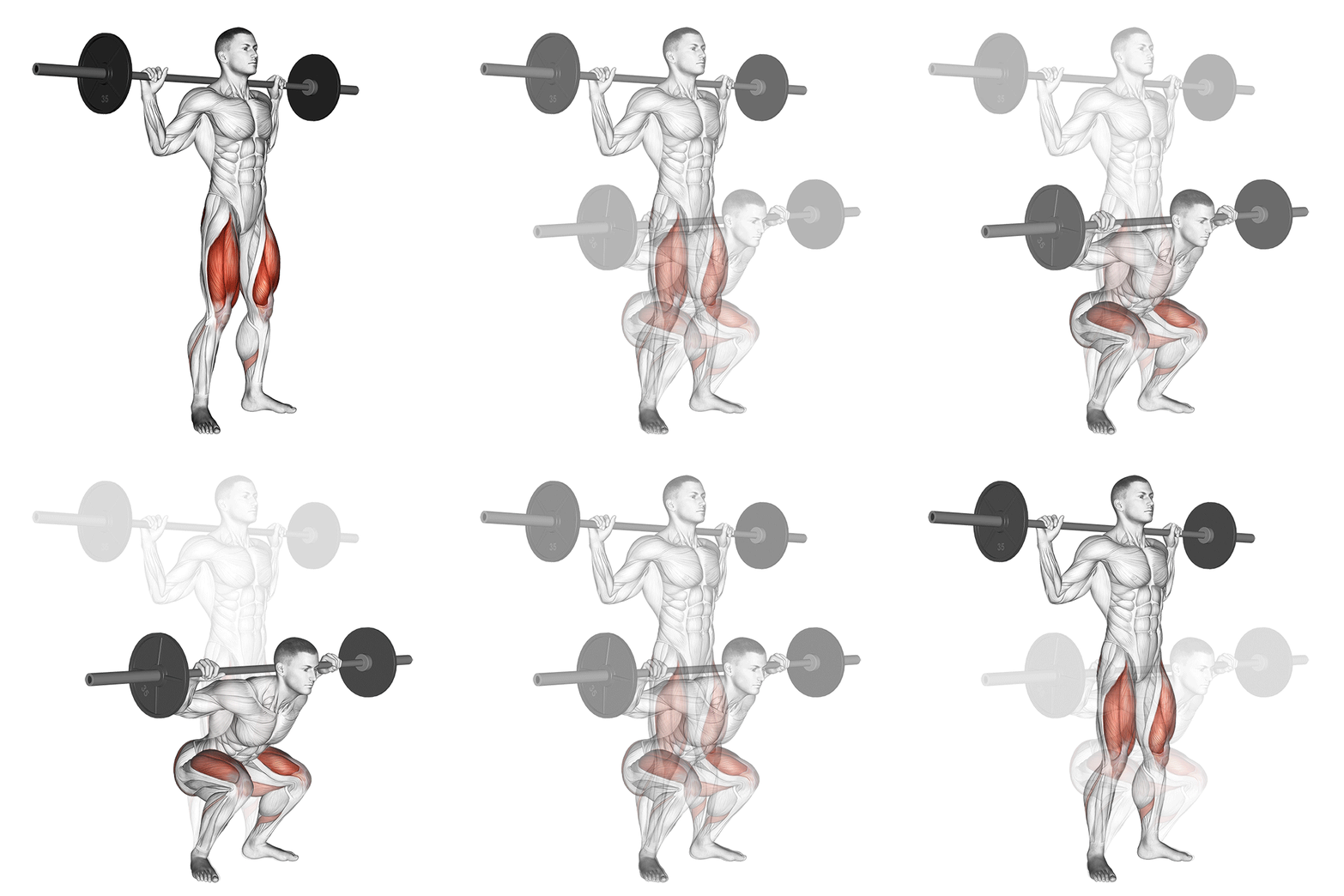
Not inherently. A controlled pistol with a stable knee tracking over the toes is no more stressful than a deep barbell squat. What hurts knees is uncontrolled descent, knee valgus, or jumping into pistols before you have the prerequisite strength. Build the bottom position slowly with box pistols, fix any side-to-side imbalance, and the joint thanks you. If you already have a knee injury, choose split squats instead.
How do pistols transfer to running?
Single-leg strength under deep knee flexion is the exact pattern of trail descents and slow uphills. Pistols also expose left-right asymmetries that hide easily under a barbell, which is huge for injury prevention in high-volume runners. A weekly set of pistols (3 to 5 reps per leg) catches imbalances early and builds the eccentric leg control that absorbs ground contact at speed.