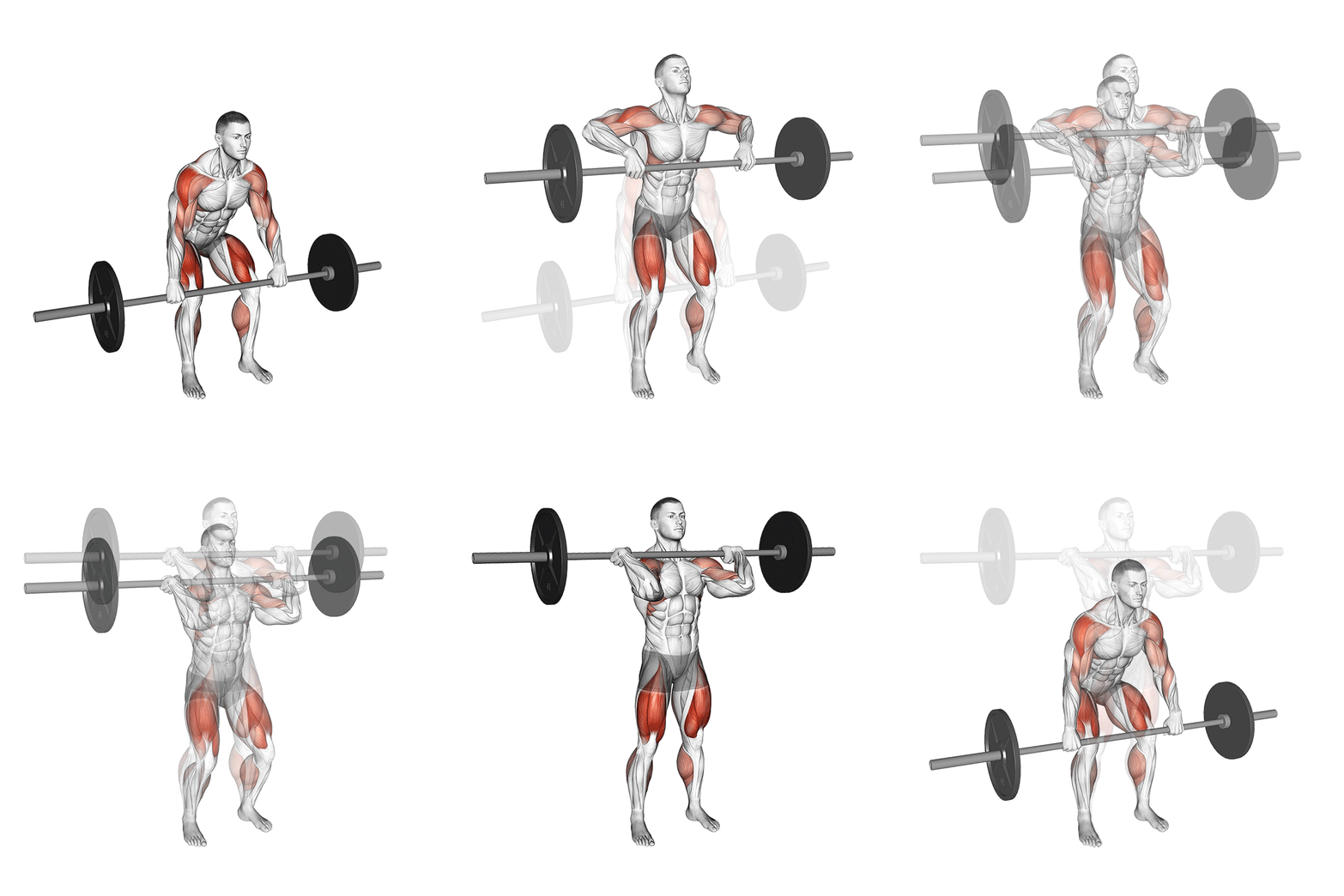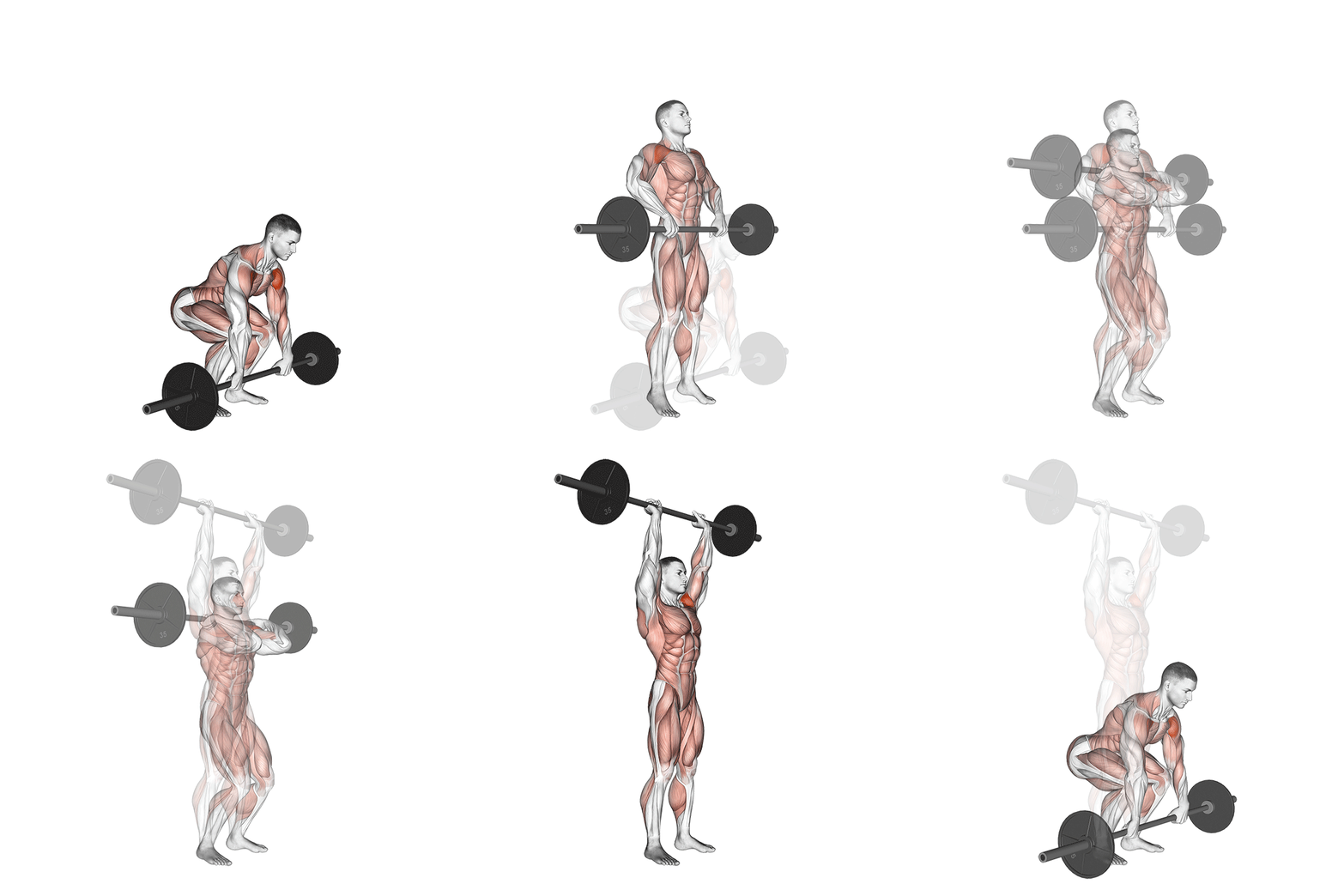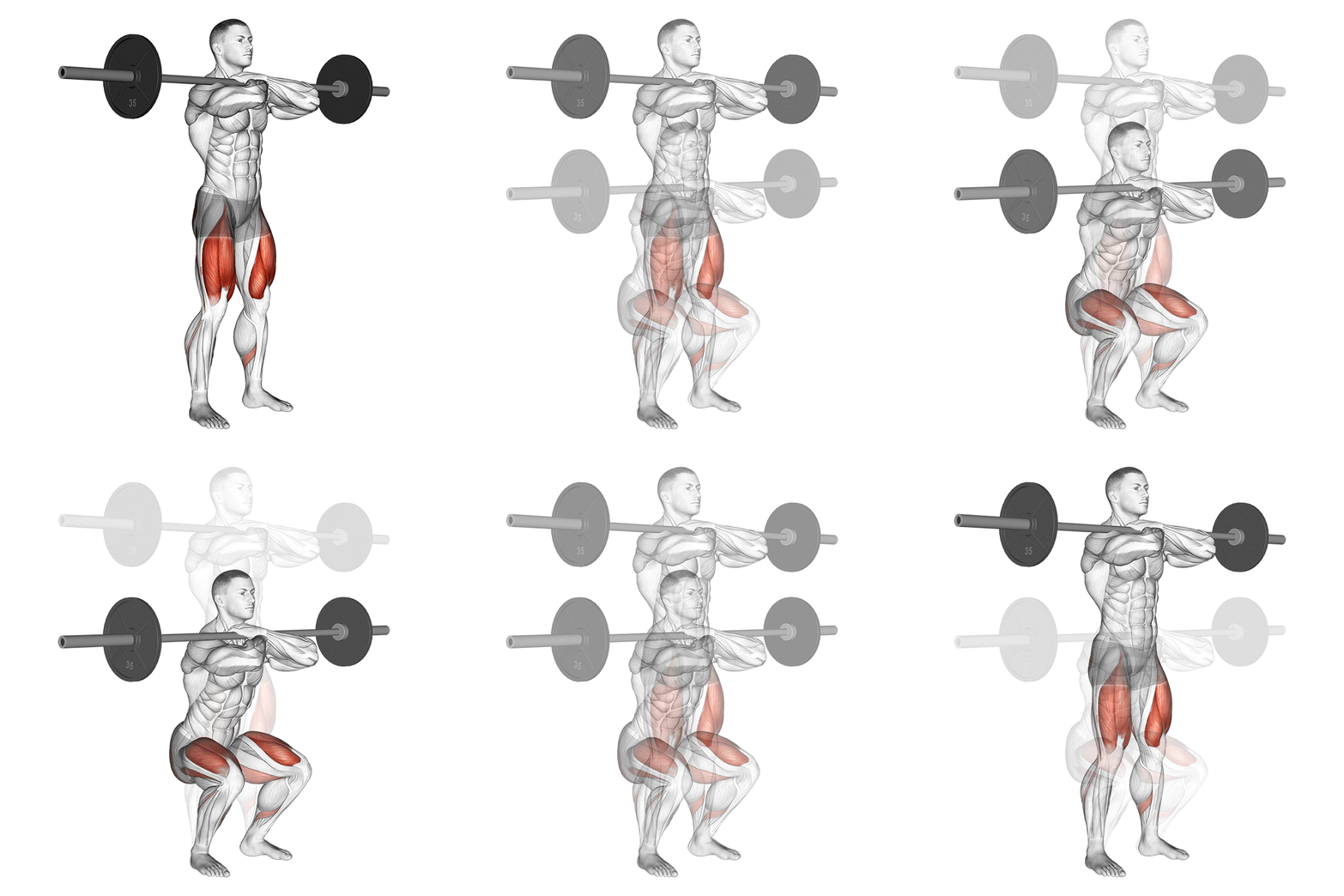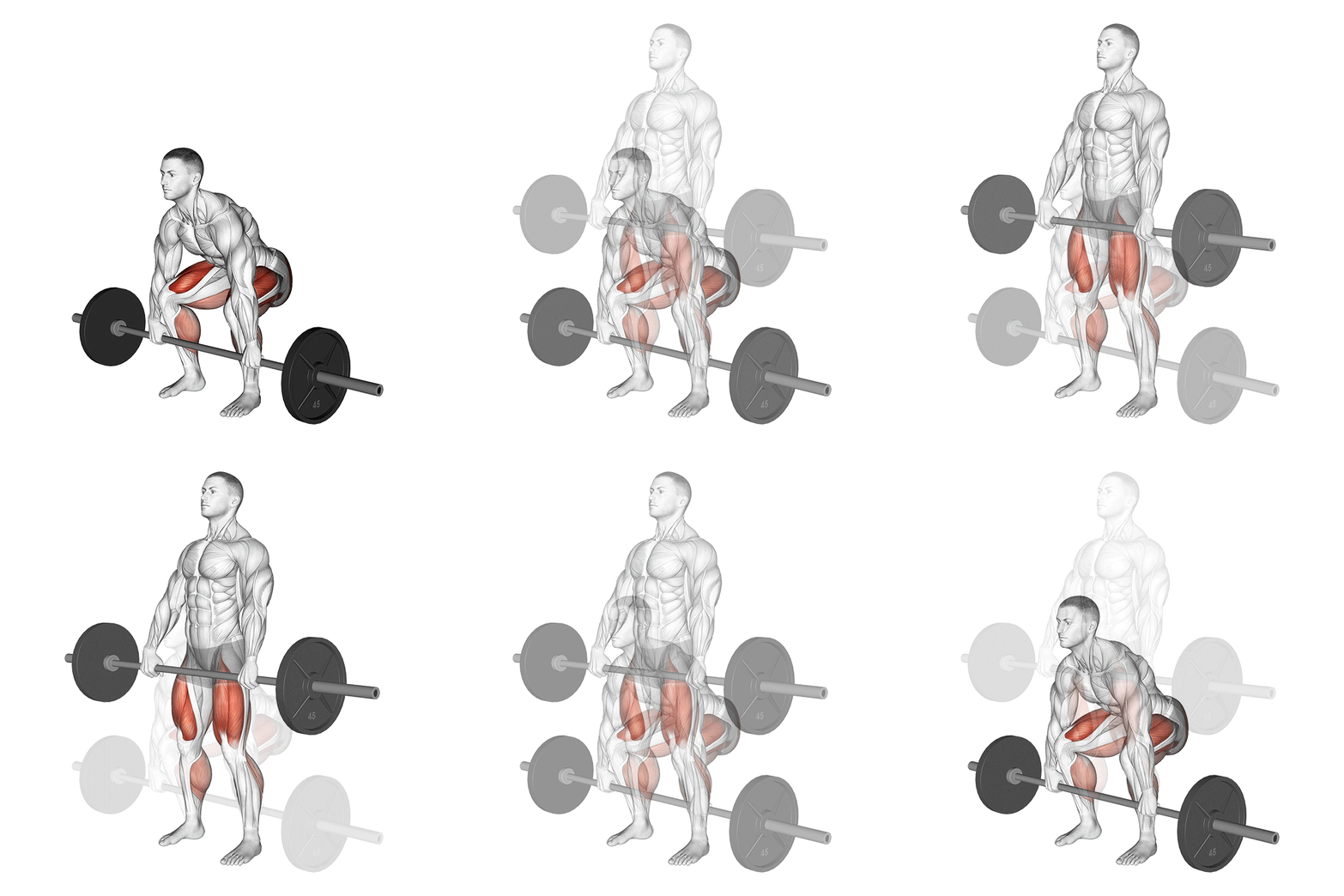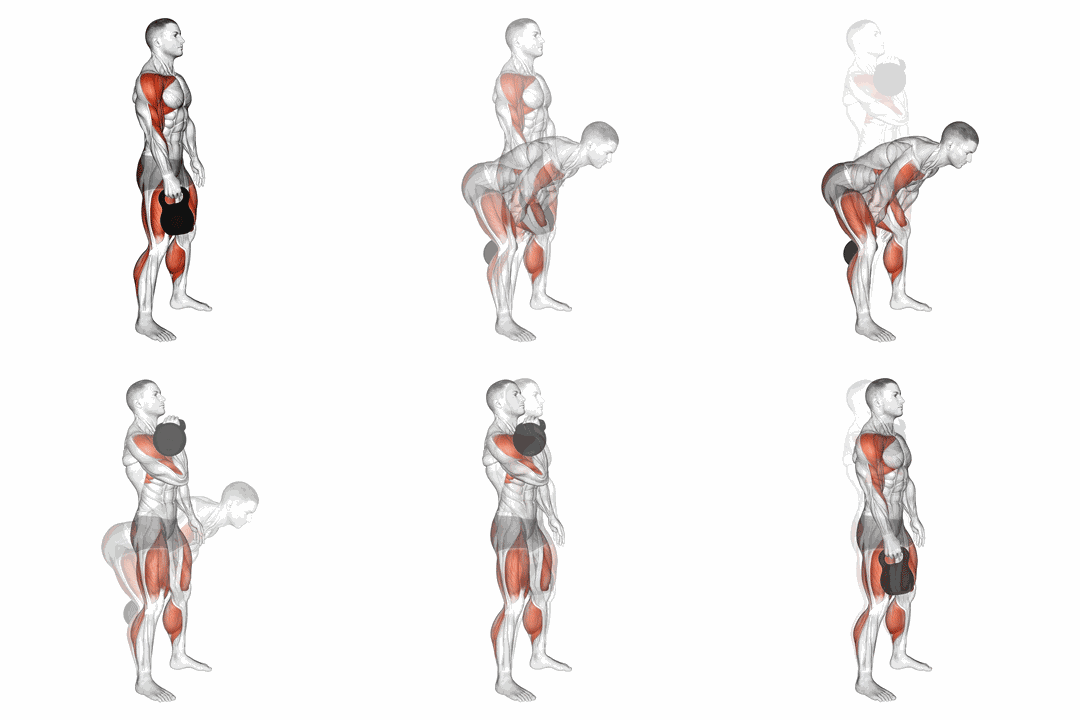
What is the hang clean?
The hang clean is a barbell Olympic lift where you start with the bar at the hip (hang position), pull it explosively to the shoulders and catch it in a front squat. Unlike the hang power clean, you receive the bar in a full squat, requiring more mobility and timing. It builds rate of force development, hip drive and front-rack strength, and it's the lift Olympic weightlifters use to fix the second pull, the most powerful part of the full clean.
How to do the hang clean
- 1
Set the hang position
Stand with feet hip-width, bar in a clean grip just outside your hips. Hinge to bring the bar to mid-thigh or just above the knee. Chest proud, shoulders over bar, lats tight.
- 2
Drive and shrug
Extend hips and knees violently, push the floor away, finish with a sharp shrug. The bar stays close, brushing the thigh on its way up.
- 3
Pull under fast
As the bar reaches its peak, pull yourself down by driving elbows around fast. Don't try to muscle the bar higher, drop under it.
- 4
Catch in the full squat
Receive the bar on your shoulders in a front rack, elbows high, in a full front squat. Stand up powerfully through the heels. One smooth motion: pull, drop, stand.
Pro tip
Most lifters fail by reverse-curling the bar or jumping forward. Stay vertical, keep the bar in the trajectory, and trust the drop. The hang clean is timing, not strength.
Common mistakes
Bar too far from the body.
If the bar swings out, you reverse-curl into the rack and crash your wrists. Brush the thigh on every pull.
Early arm bend.
Pulling with biceps before full extension kills the second pull. Arms stay long until the hips finish.
Low elbows in the catch.
Dropped elbows shift the load onto the wrists and risk a missed lift. Punch elbows up the instant the bar touches.
Jumping forward.
If you land in front of the start position, you're pulling with the back instead of standing tall. Cue 'jump up, not out.'
Variations and progressions
Easier
Hang power clean
Catch the bar with hips above parallel instead of in a full squat. Less mobility demand, same power emphasis.
Harder
Clean from the floor
Add the first pull from the floor. Longer pull, more setup, the full competition lift.
No barbell?
Dumbbell hang clean
Two dumbbells from the hang to the shoulders. Cleaner on the wrists, great accessory work.
How to program it
Three protocols by goal. Pick one per cycle and aim for progression on load or distance.
| Goal | Sets × distance | Load | Rest |
|---|---|---|---|
| Technique | 6 × 2 | 60-70% 1RM clean | 2 min |
| Power | 5 × 3 | 75-80% 1RM | 2-3 min |
| Strength | 5 × 1+1 | 85-90% 1RM | 3 min |
Hang Clean FAQ
Hang clean or hang power clean?
Hang power clean for athletes who need power without spending hours on mobility, and for anyone in a team-sport setting. Hang clean for competitive Olympic lifters or athletes with the front-squat mobility to catch deep. Most coaches start with power, progress to full once the catch is mobile and confident.
Why do my wrists hurt in the rack?
Almost always wrist mobility or rack position. The bar should sit on the front delts, not in the palms. Loosen the grip in the rack, let the fingertips support the bar, drive elbows high. Daily wrist circles and front-rack stretches over 4-6 weeks usually solve it.
How often should I clean?
Twice a week is the sweet spot for most strength athletes. Olympic lifters go 3-5 times. The lift is technical, so frequency matters more than volume. Better to do 5 quality singles three times a week than 25 sloppy reps once a week.