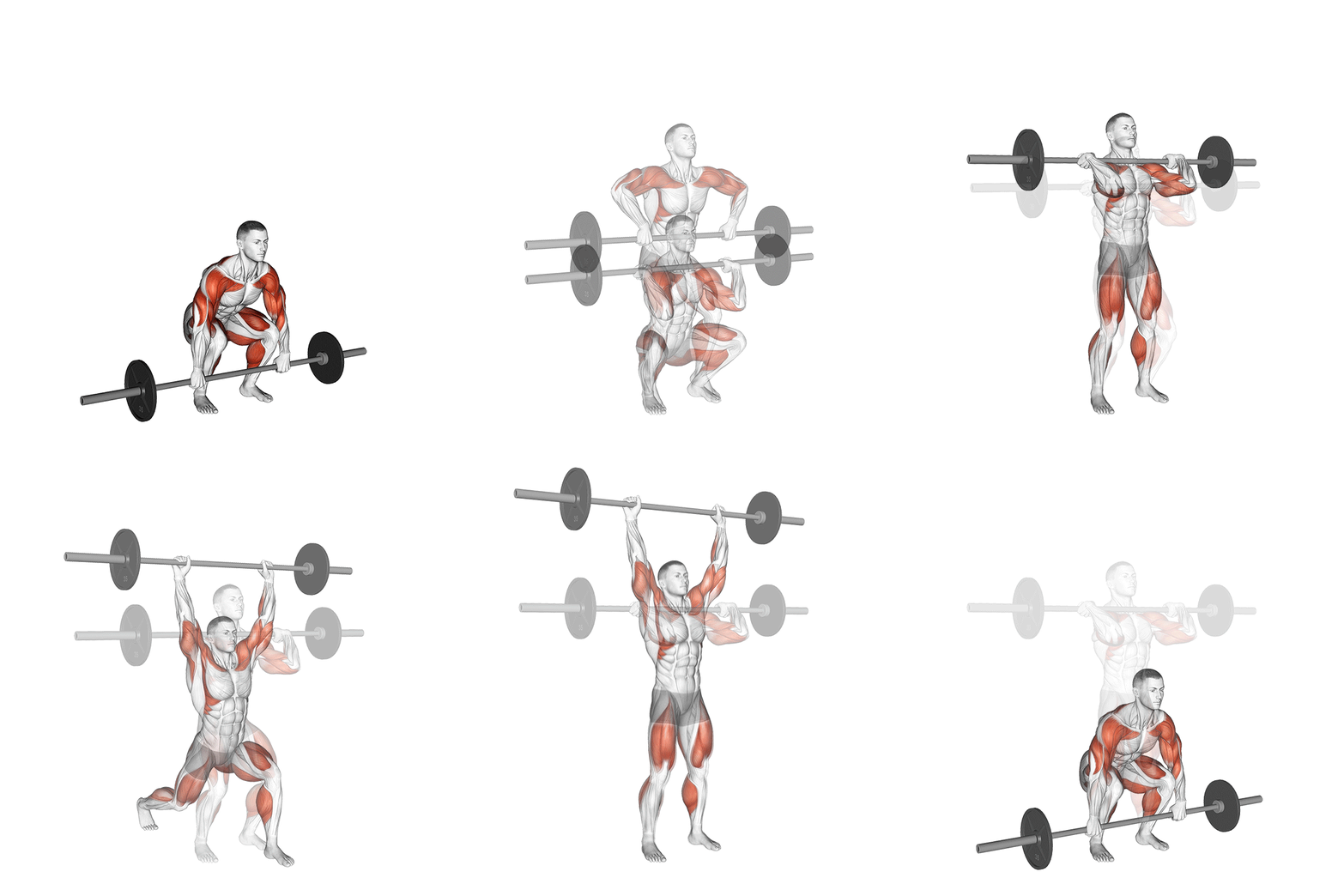
What is the clean and jerk?
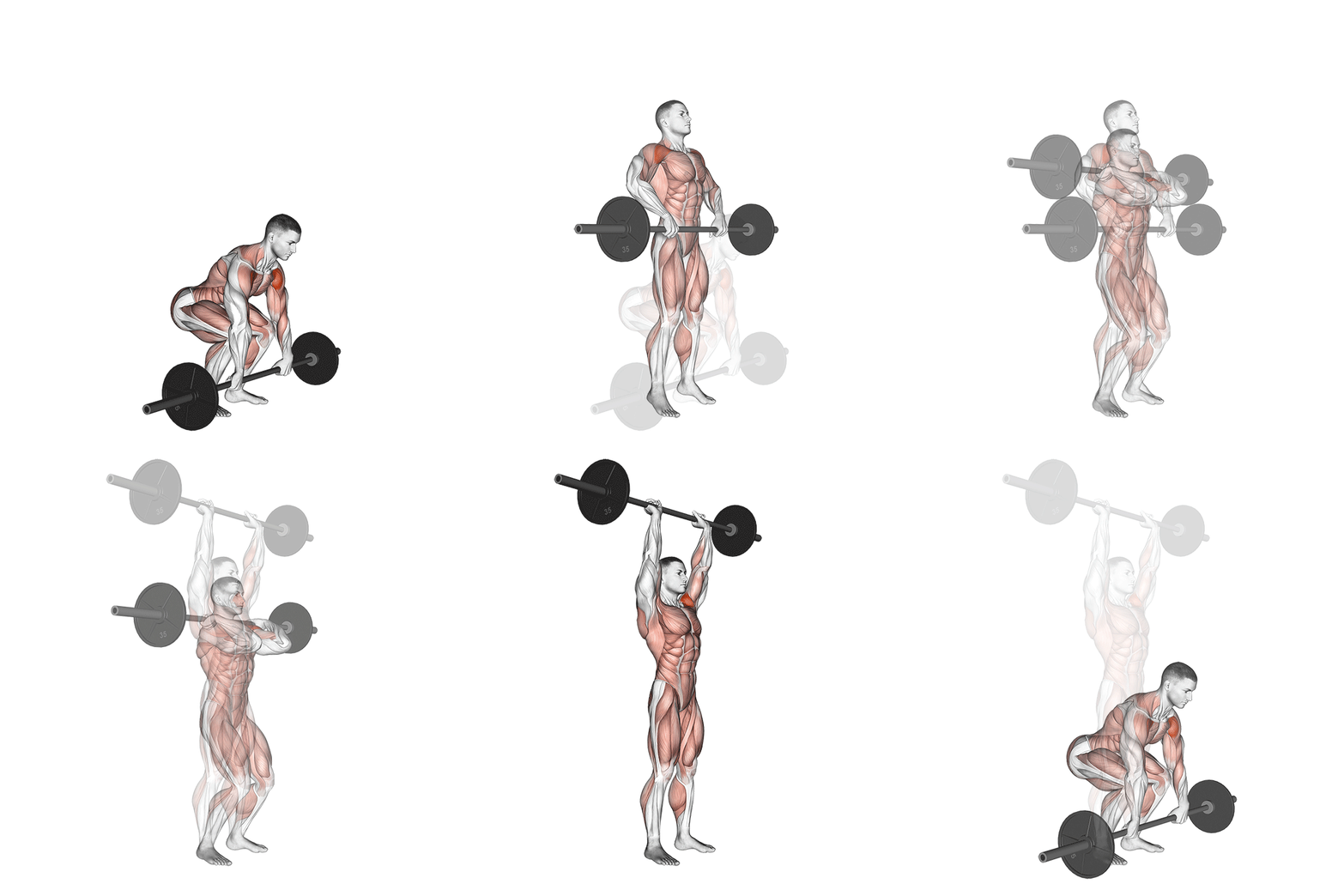
The clean and jerk is the second of the two Olympic lifts, the bigger of the pair. The clean takes the bar from the floor to the front rack in one explosive pull plus a catch. The jerk then drives it overhead with a leg dip, a hip drive, and a split or power-position lockout. It trains full-body force, rate of force development, mobility, and stability under a heavy bar overhead. World-class lifters jerk well over their bodyweight twice over.
How to do the clean and jerk
- 1
Set up over the bar
Feet hip-width, bar over mid-foot, shoelaces under the bar. Grip just outside the hips, lats engaged, chest tall, back flat.
- 2
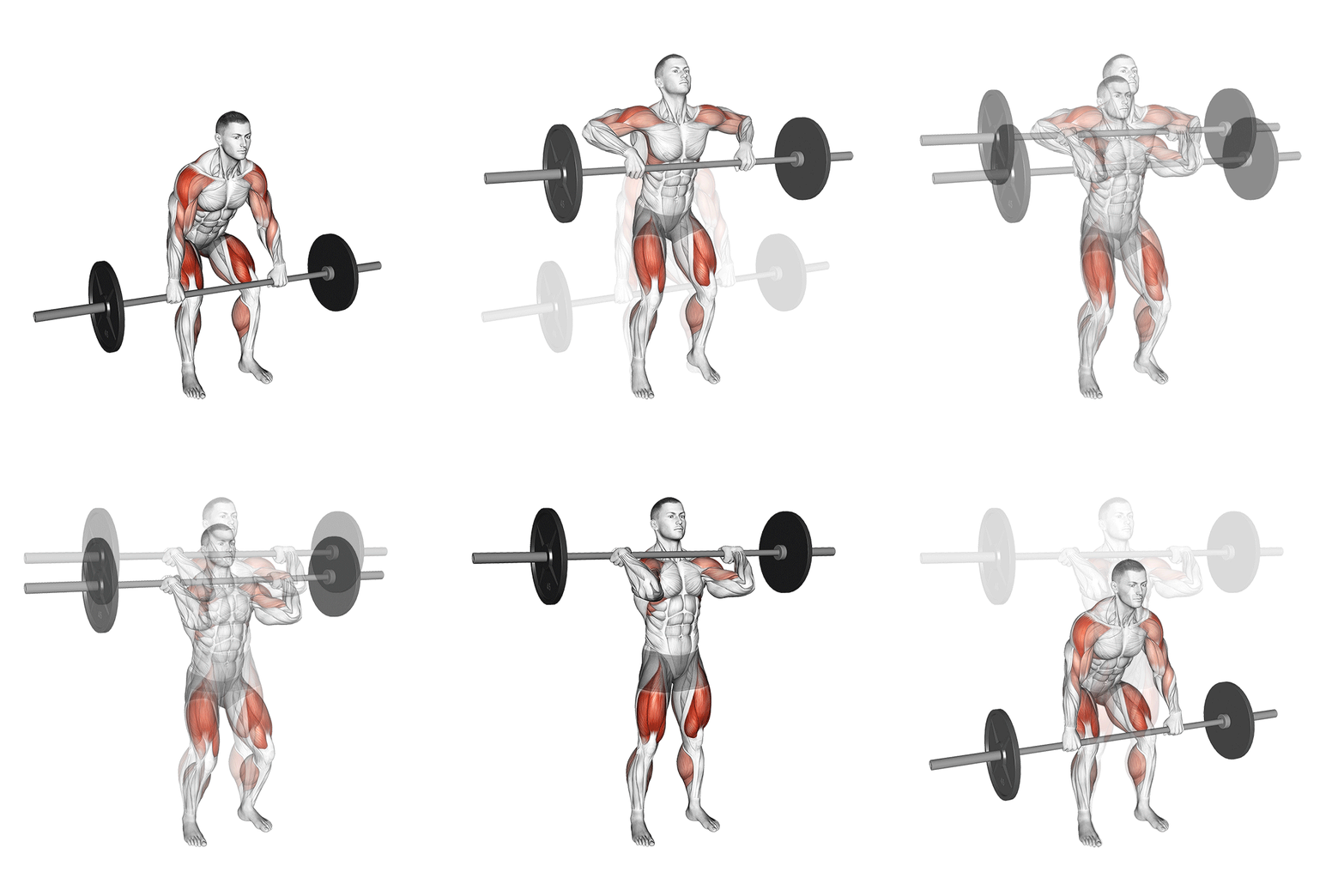
Pull off the floor, then explode
Push the floor away slowly to the knee, then accelerate. At the hip, drive the legs and extend explosively, shrugging the bar up.
- 3
Catch in the front rack
Whip the elbows around fast, drop under the bar into a front squat, catch on the shoulders with high elbows. Stand up tall.
- 4
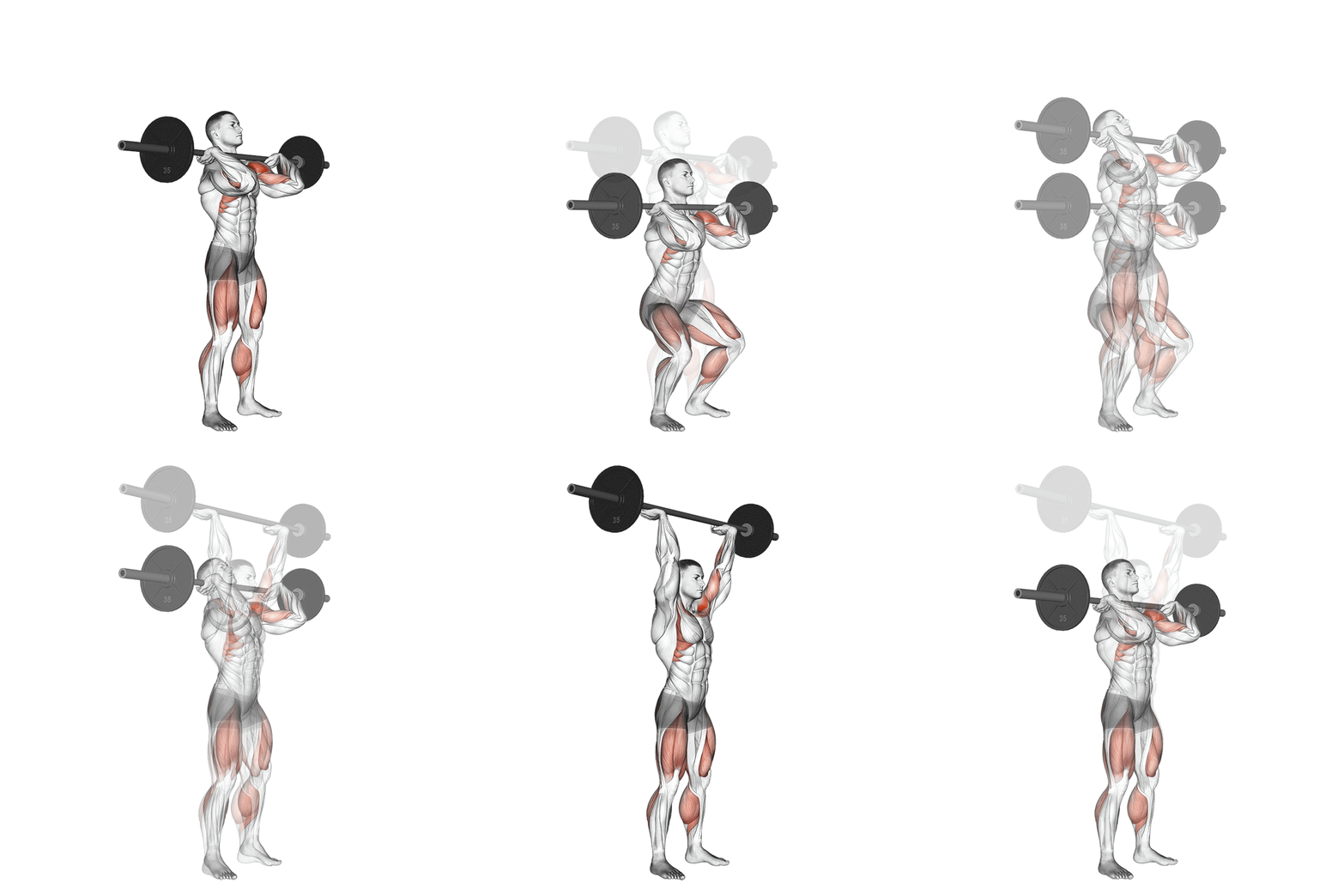
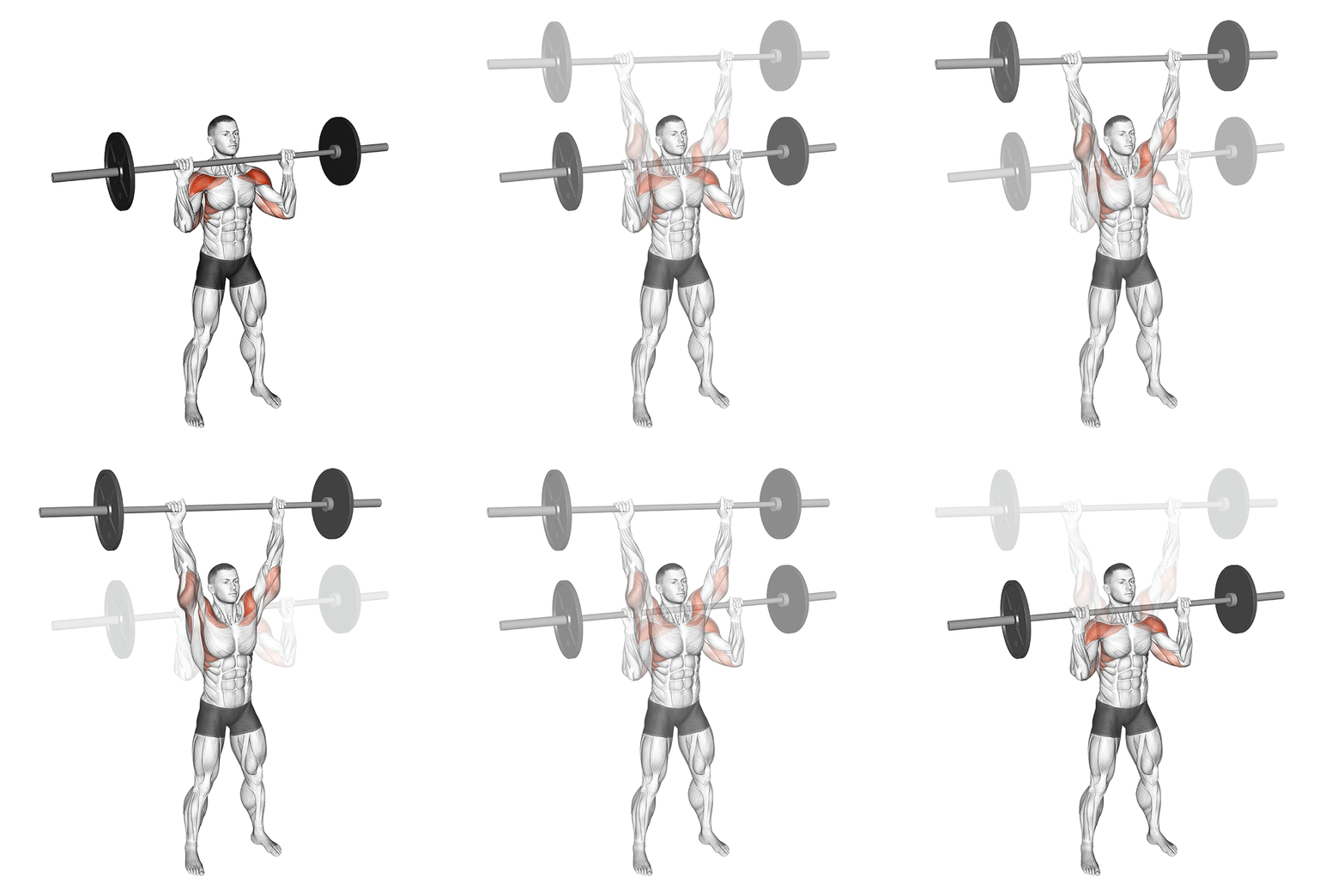
Dip, drive, split overhead
Quarter-squat dip, then drive the legs hard and punch the arms up. Split the legs front-back to catch the bar locked out overhead.
Pro tip
Most missed jerks are missed at the dip, not the drive. A vertical, controlled dip beats a deep, fast one every time. Keep the bar over the shoulders, ribs down.
Common mistakes
Pulling early with the arms.
Bent arms off the floor kill leg drive and explosive extension. Arms stay long until the hips finish.
Slow elbows in the catch.
Low elbows in the rack collapse the front squat. Whip the elbows around the instant the bar hits the shoulders.
Dipping forward in the jerk.
If the knees travel forward and the chest tips, the bar drifts in front of the shoulders. Dip straight down.
Pressing out the jerk.
Soft elbows after the drive means you finish with a press, not a punch. Lock the arms hard and aggressive.
Variations and progressions
Easier
Hang clean and push jerk
Start from the hang to remove the floor pull, finish with a power jerk to skip the split. Lower complexity for skill building.
Harder
Squat clean and split jerk for max
Full receive in a deep front squat, then split jerk for the heaviest possible single. Competition standard.
No platform?
Dumbbell clean and jerk
Two dumbbells, clean from the floor to the shoulders, then jerk overhead. Same intent, much lower joint cost.
How to program it
Three protocols by goal. Pick one per cycle and aim for progression on load or distance.
| Goal | Sets × distance | Load | Rest |
|---|---|---|---|
| Technique | 5 × 2 | 60-70% 1RM | 2-3 min |
| Strength | 6 × 1 | 85-92% 1RM | 3-5 min |
| Peak | Build to a heavy single | 95%+ 1RM | 5 min |
Clean and Jerk FAQ
How long does it take to learn?
Most athletes need six to twelve months of patient coaching to lift safely with respectable loads. The clean is usually the easier half, the jerk is where most people stall, especially the split. Without a coach or quality video review, plan on doubling that timeline. Drilling positions with an empty bar three sessions a week beats heavy ego loading every time.
Split jerk or power jerk?
Split jerk lets you catch the bar with less squat depth and more stability fore-aft, which is why it dominates competition. Power jerk drops you straight under the bar, easier to learn but limited by overhead squat strength. Default to split if you have decent hip mobility, default to power if your overhead squat is solid and your splits are inconsistent.
Where does it fit in a Hyrox or hybrid program?
It is not a Hyrox station, but it builds the explosive triple extension that pays off on sleds, broad jumps, and wall balls. Use it as a power expression once a week, low volume (4 to 6 singles or doubles at 70 to 85%), early in the session before fatigue dulls bar speed. Skip it in the last two weeks before a race to save the central nervous system.