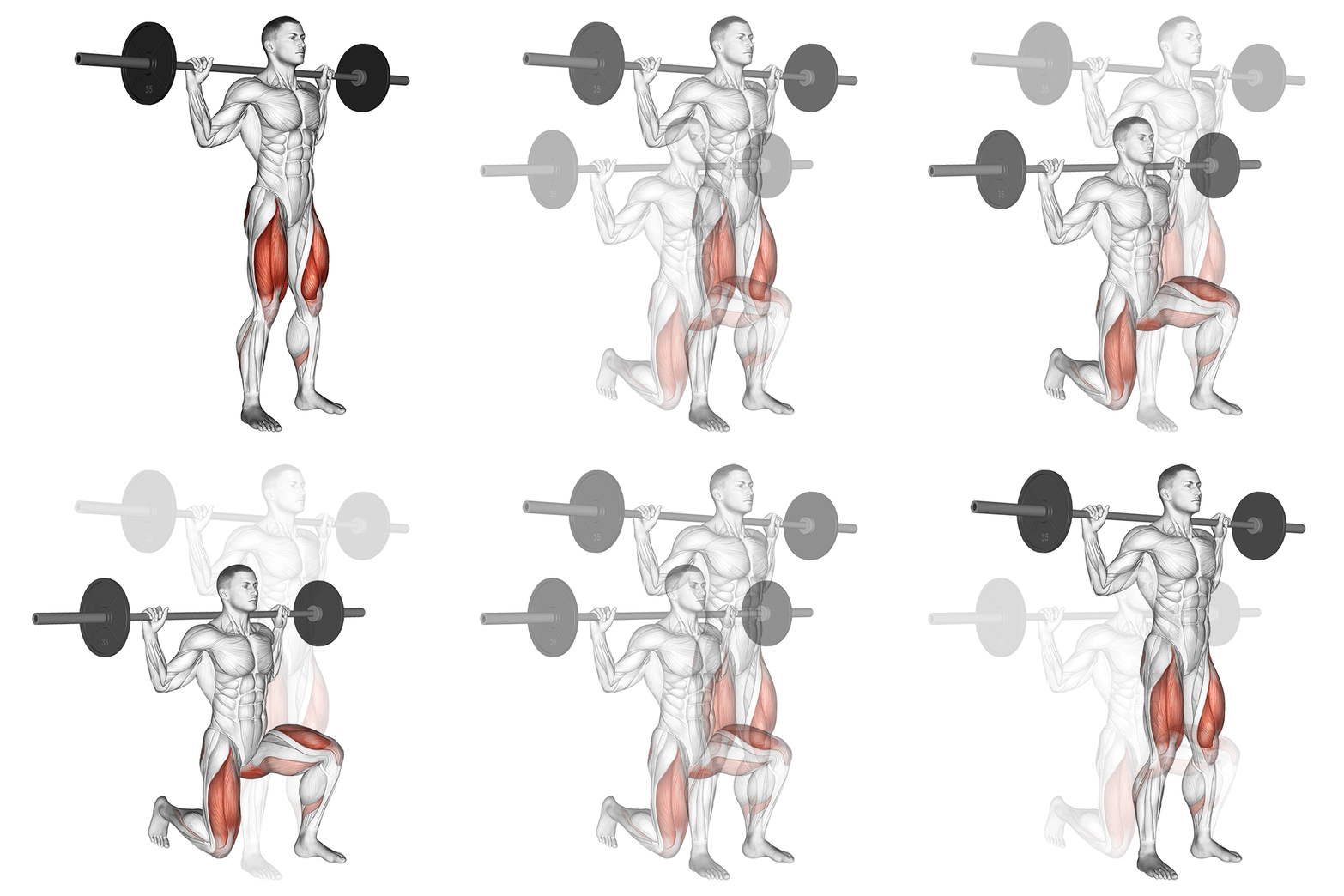
What is the barbell reverse lunge?
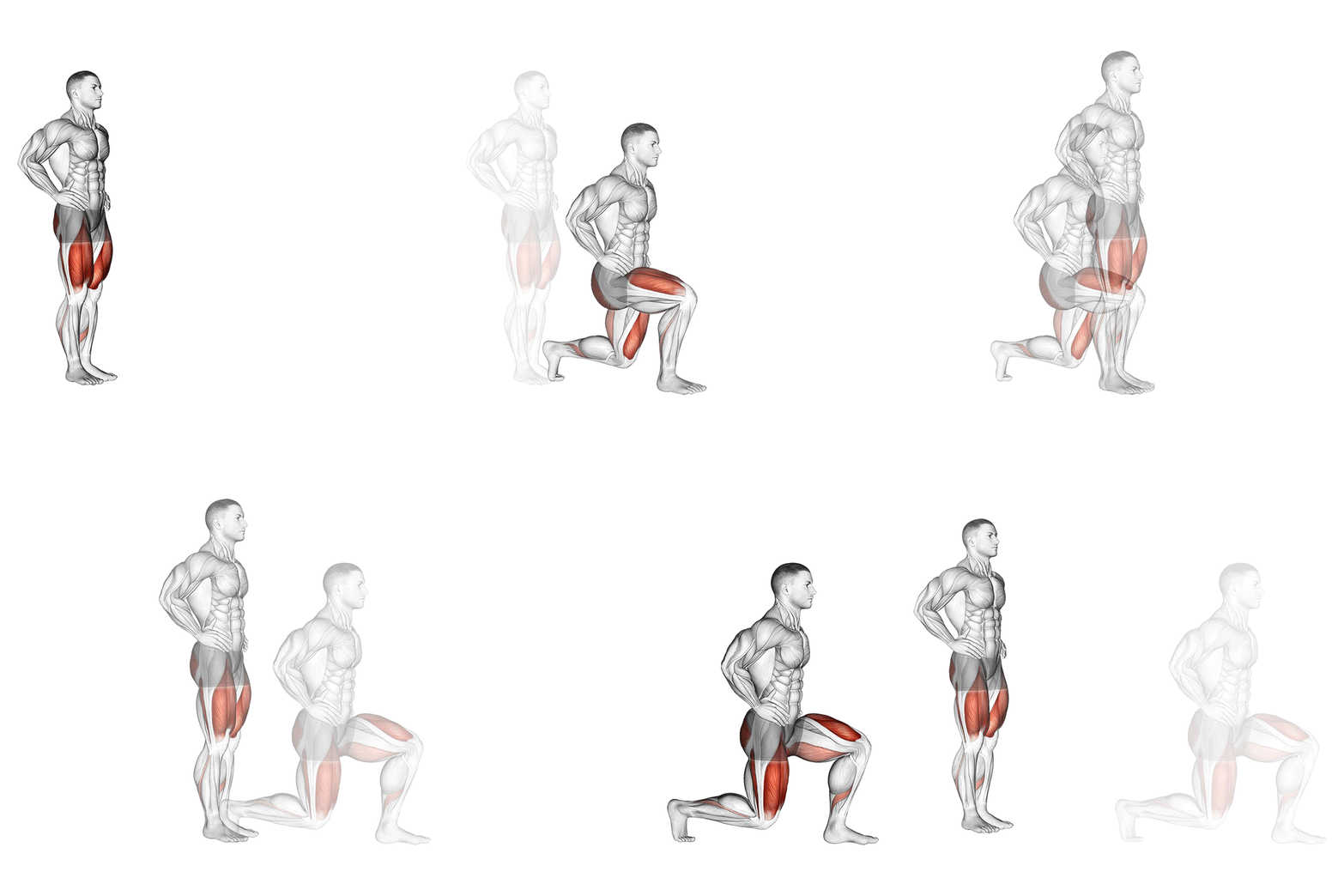
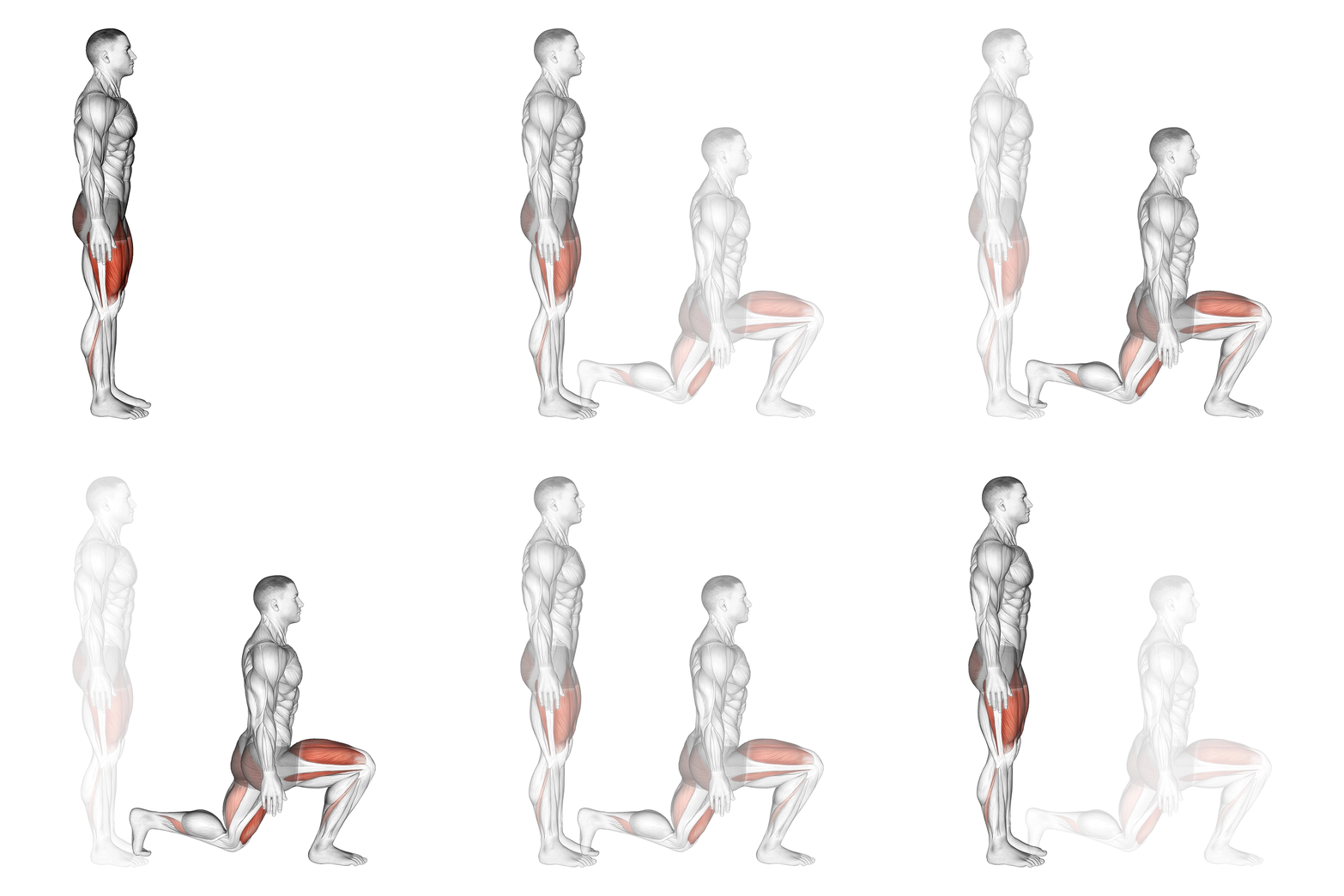
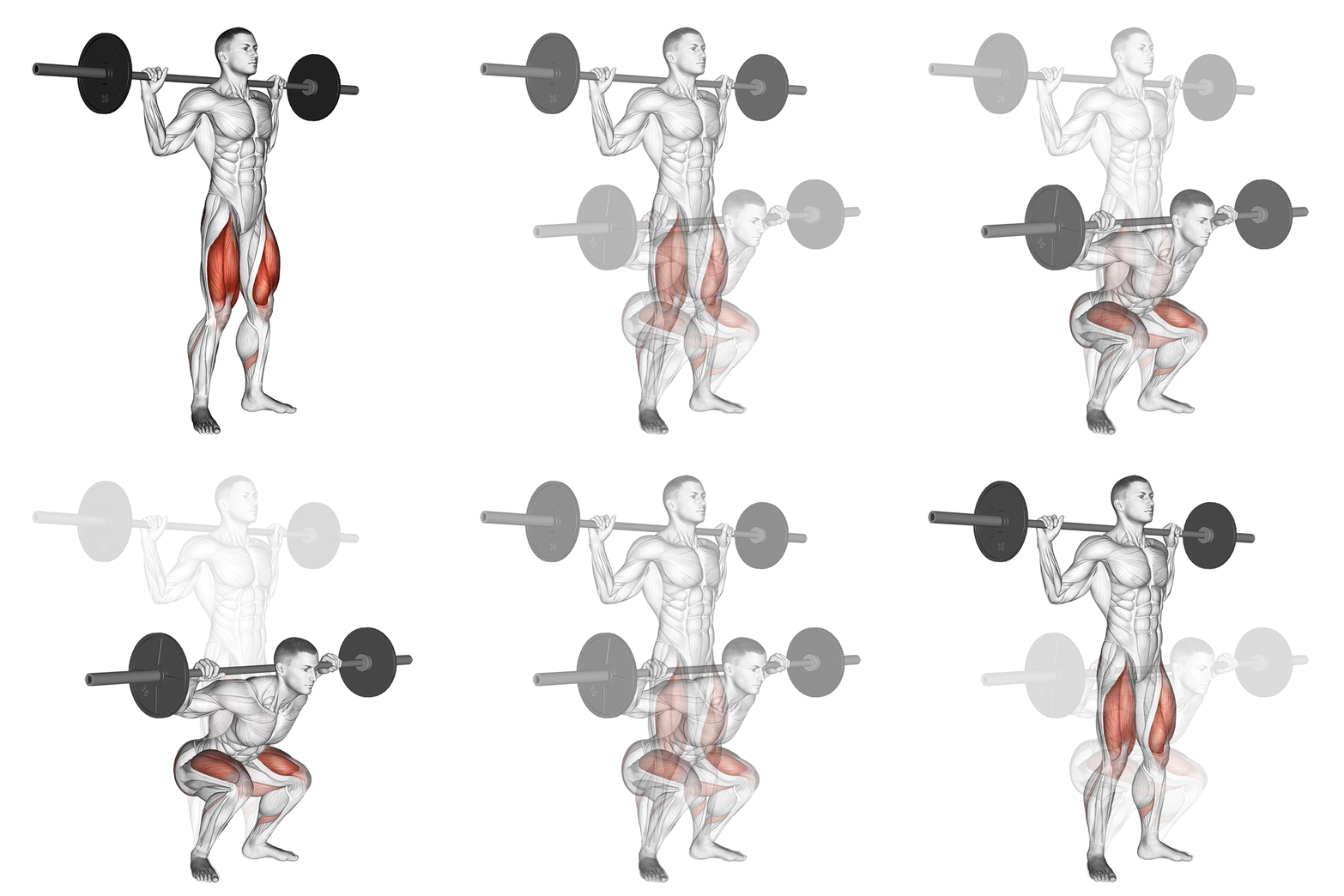
The barbell reverse lunge is a unilateral squat where you step backward instead of forward, lowering the back knee toward the floor while the front leg does most of the work. The bar sits on the upper back as in a high-bar squat. Stepping back protects the front knee, emphasizes the glutes, and keeps the spine more vertical than a forward lunge. It's the safest way to load lunges heavy.
How to do the barbell reverse lunge
- 1
Set the bar
Bar on the upper traps, hands just outside shoulders. Feet hip-width, ribs down, brace.
- 2
Step back long
Take a long step back, landing on the ball of the back foot. The front foot stays flat.
- 3
Descend straight down
Lower the back knee toward the floor. Both knees bend to ninety degrees. Torso stays vertical.
- 4
Drive through the front heel
Push the floor away with the front heel to return to standing. Bring the back foot to meet the front.
Pro tip
If your front knee dives forward, your step back was too short. Add ten centimeters to the step before adding any weight to the bar.
Common mistakes
Step too short.
Front knee crashes over the toes, shifting the load onto the patella. Take a longer step back.
Leaning forward.
A forward-leaning torso turns it into a deadlift. Brace, look straight ahead, stay vertical.
Slamming the back knee.
Touch the floor lightly, don't crash. Hard contact wrecks the patella and ruins the eccentric tension.
Switching feet too fast.
Always return to standing fully before stepping back with the other leg. Skipping the reset breaks the brace.
Variations and progressions
Easier
Goblet reverse lunge
Hold a kettlebell or dumbbell at chest height. Easier on the spine and great for learning the pattern.
Harder
Deficit reverse lunge
Stand on a 5 cm plate to add range. Front leg works through a deeper hip flexion, glute demand doubles.
Alternative
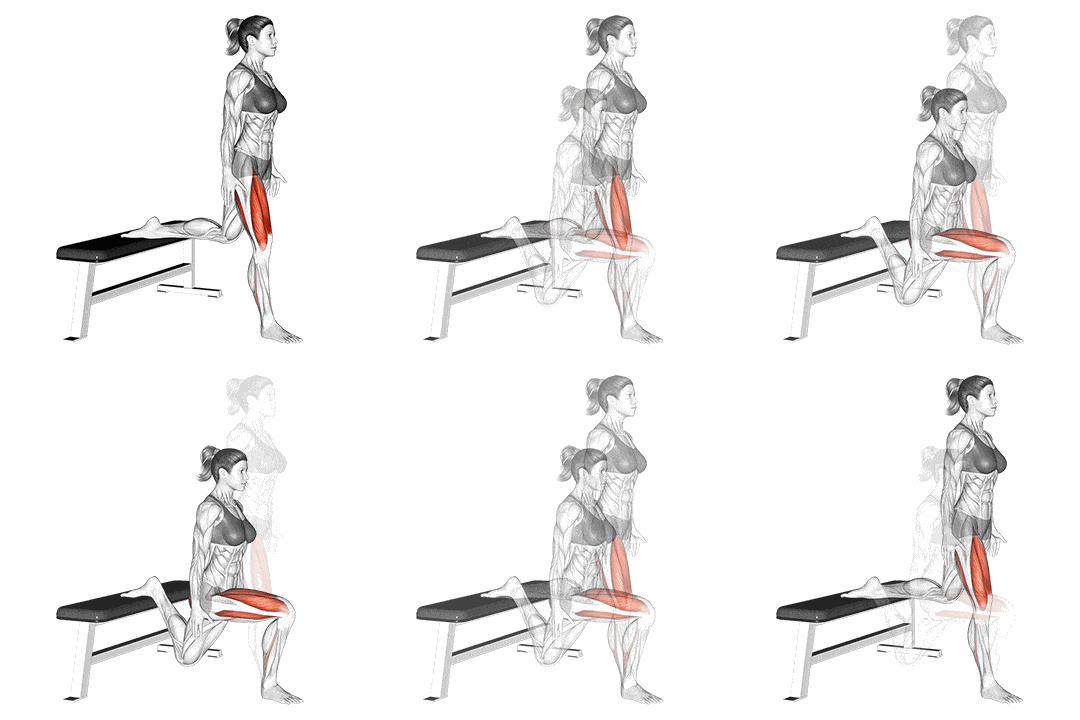
Bulgarian split squat
Back foot elevated on a bench for a static split-squat pattern. Bigger stretch, less stepping demand.
How to program it
Three protocols by goal. Pick one per cycle and aim for progression on load or distance.
| Goal | Sets × distance | Load | Rest |
|---|---|---|---|
| Technique | 3 × 8 / leg | Empty bar to 40 kg | 60 s |
| Strength | 4 × 6 / leg | 50-60% 1RM back squat | 90 s |
| Hyrox endurance | 3 × 12 / leg | 30-40% 1RM back squat | 75 s |
Barbell Reverse Lunge FAQ
Reverse lunge or forward lunge?
Reverse lunge wins for joint health: the front knee stays neutral, the spine stays vertical, and you can load heavier safely. Forward lunge teaches deceleration and matches Hyrox sandbag lunges more closely. Run both, but lead with reverse for strength work.
How heavy compared to my back squat?
Most intermediate lifters reverse lunge for sets of six with fifty to sixty percent of their high-bar back squat one rep max. The unilateral stability demand is the limiter, not raw leg strength. Increase reps before increasing load.
Why does Hyrox use forward lunges then?
Race lunges are forward walking lunges with a sandbag, because they mimic locomotion under load. Train the race pattern in race-pace blocks, but use barbell reverse lunges for max-strength accumulation. The two complement each other across a week.