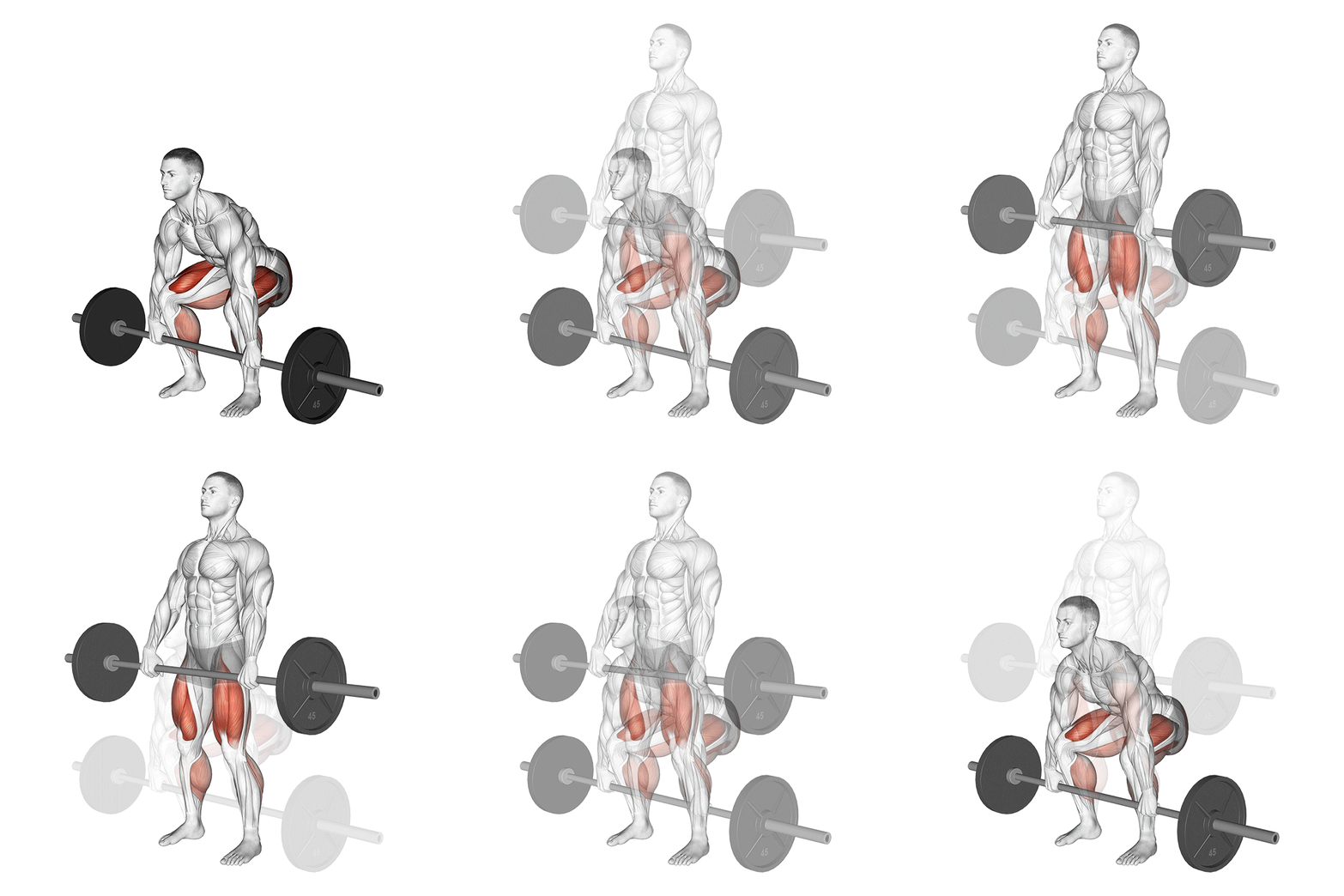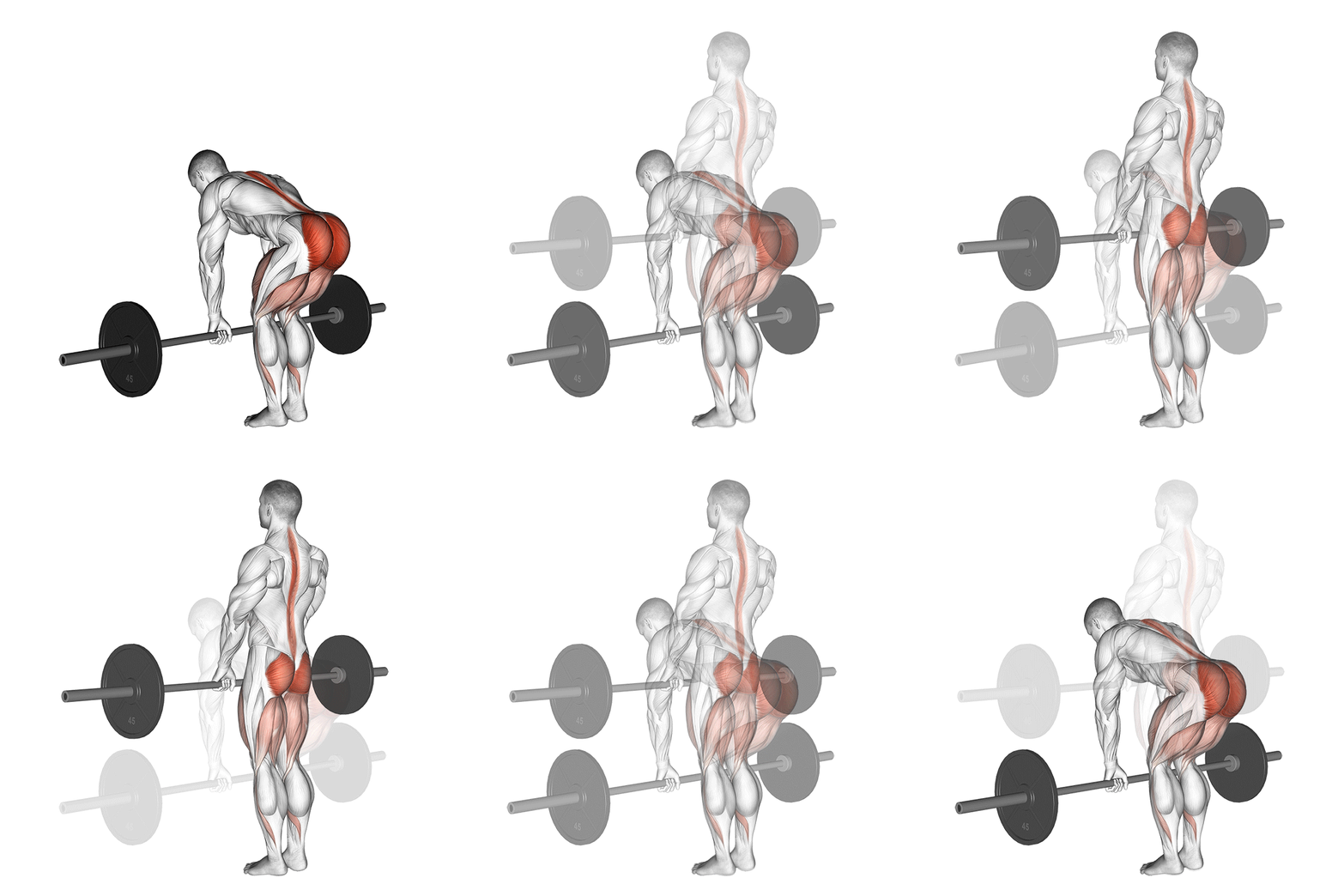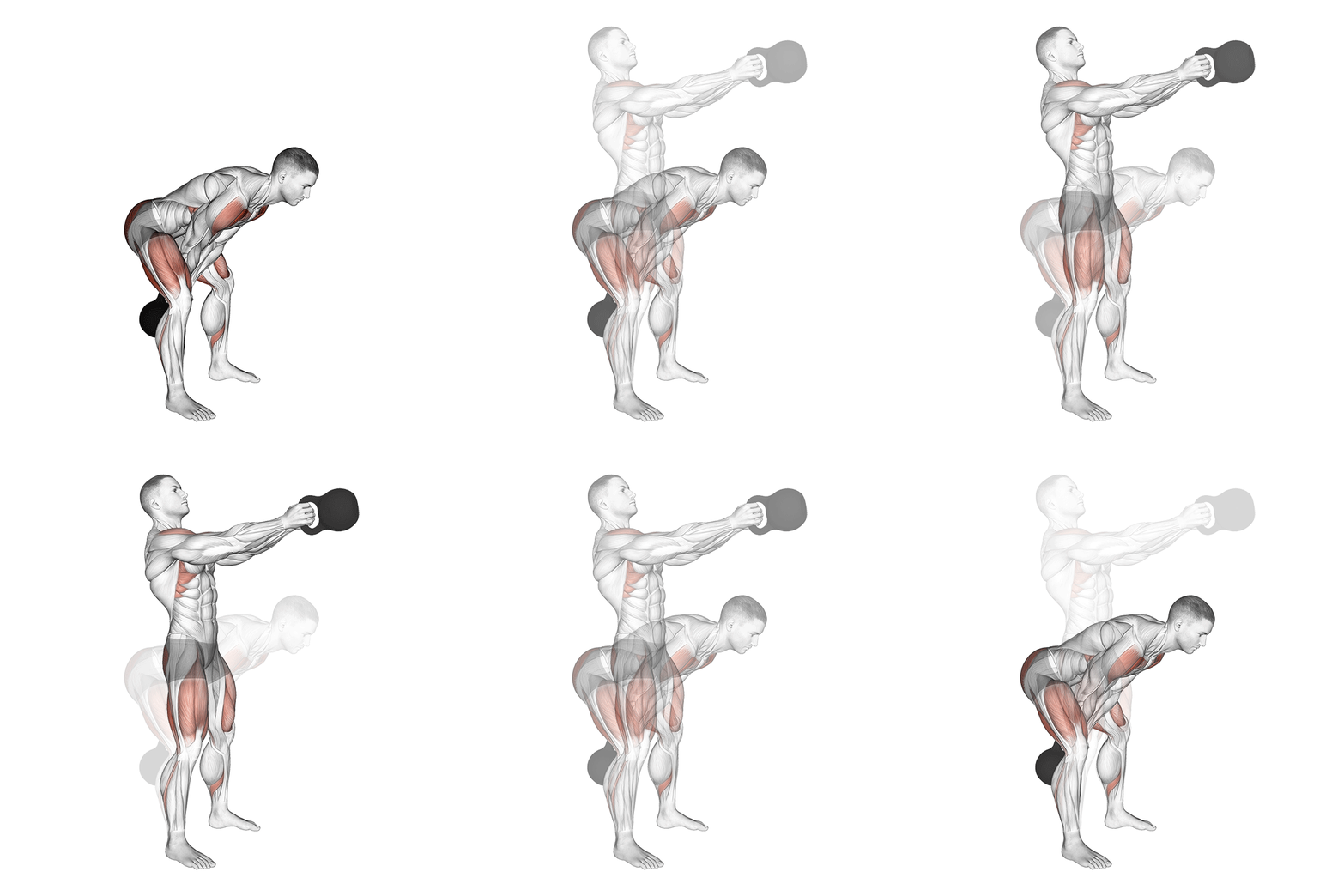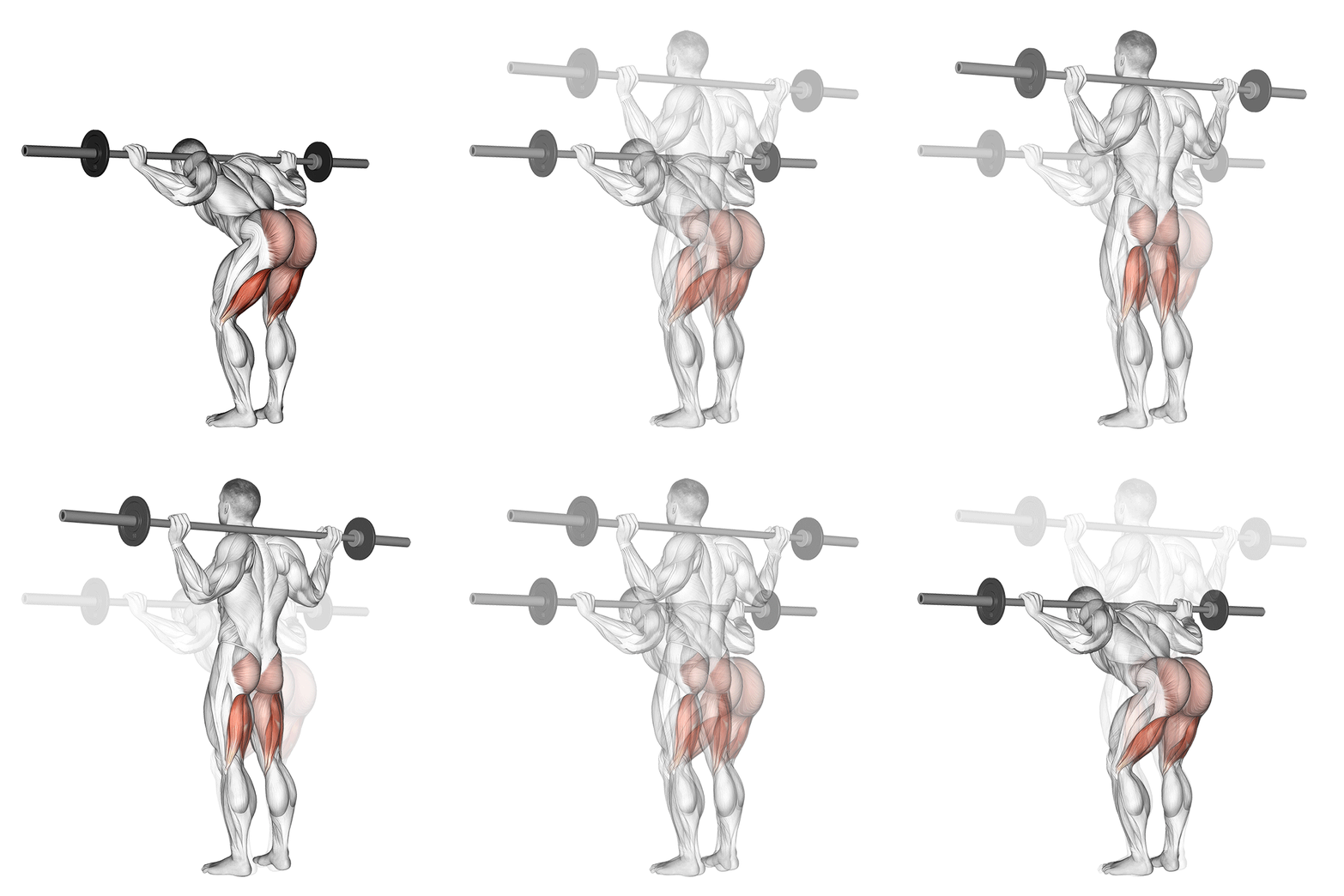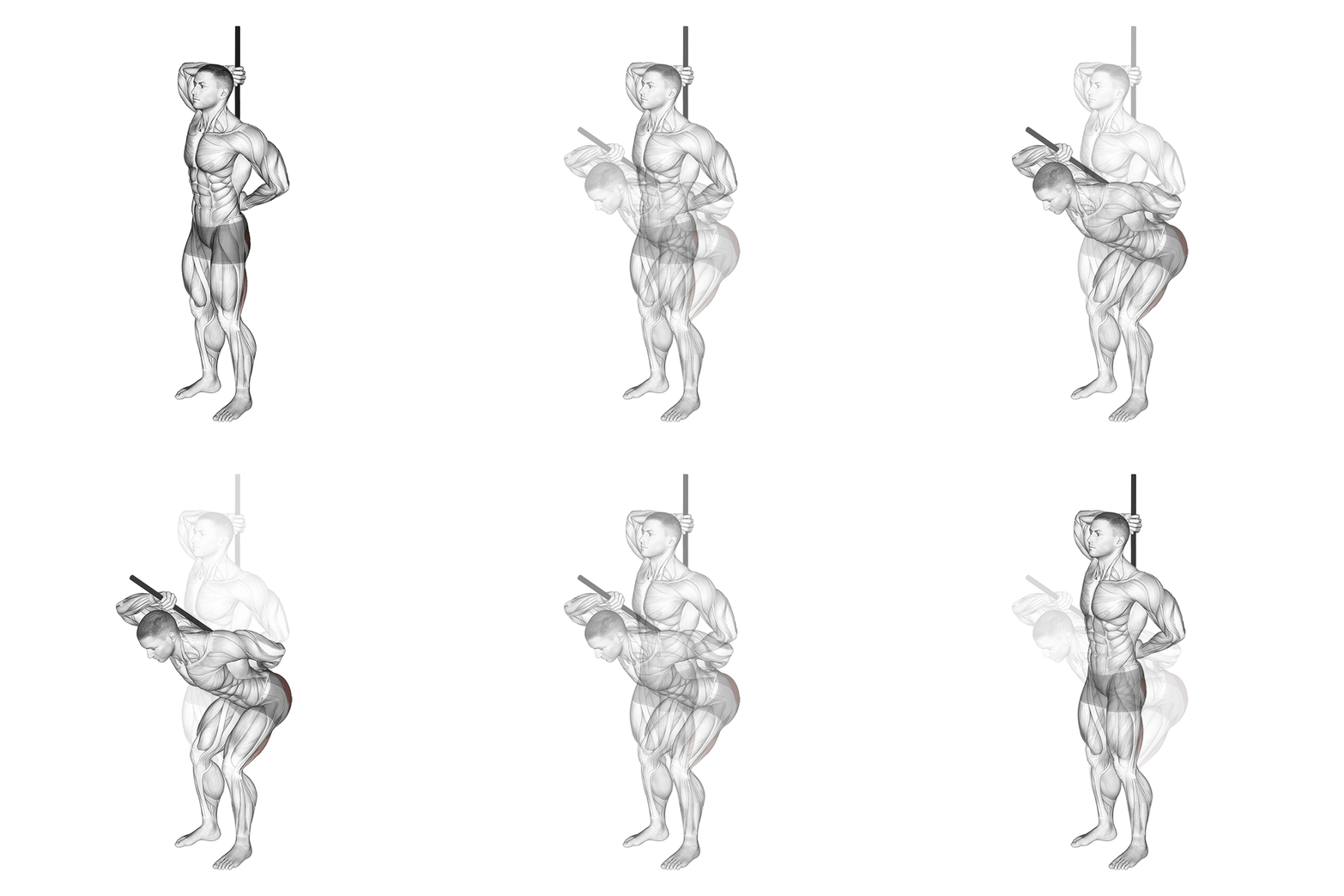
What is the hip hinge?
The hip hinge is a movement pattern where the hips travel backward while the knees stay relatively quiet and the spine stays neutral. It is the gateway skill for deadlifting, kettlebell swings, cleans, RDLs and good mornings. Most lower-back pain in lifters comes from a missing hinge: they squat their deadlifts, round their RDLs, or fail to load the glutes. Master the unloaded hinge before adding any external load.
How to do the hip hinge
- 1
Stand tall and unlock the knees
Feet hip-width, soft knees (not bent, just unlocked), ribs stacked over pelvis, chin tucked.
- 2
Push the hips back
Imagine closing a car door with your butt. Push the hips backwards, not down. Your torso will lean forward as a counterweight.
- 3
Keep the spine neutral
No rounding, no overarching. Your back stays a flat plank from skull to tailbone the entire descent.
- 4
Drive hips forward to stand
Squeeze the glutes and push the hips through to finish tall. Do not over-extend the lower back at the top.
Pro tip
Drill it with a dowel along your spine, touching head, upper back and tailbone. If the dowel leaves any of those points, you have broken neutral.
Common mistakes
Squatting the hinge.
Knees travel forward and hips drop. The hinge loses the glute and hamstring stretch. Push hips back, not down.
Rounding the lower back.
Going past your hamstring flexibility forces the spine to compensate. Stop where you can hold neutral.
Hyperextending at the top.
Lockout is hips through, glutes squeezed. Cranking the lower back is not extra range, it is wasted compression.
Holding breath wrong.
Inhale at the top, brace down, hinge with held breath, exhale at lockout. No air, no spine support.
Variations and progressions
Easier
Wall hinge
Stand a foot from a wall and hinge back to tap your hips on it. Instant proprioceptive feedback.
Harder
Single-leg hinge
Stand on one leg, hinge with the free leg extending behind as a counterweight. Brutal for stability.
Loaded version
Romanian deadlift
Once the unloaded hinge is clean, load it as an RDL with a barbell or dumbbells.
How to program it
Three protocols by goal. Pick one per cycle and aim for progression on load or distance.
| Goal | Sets × distance | Load | Rest |
|---|---|---|---|
| Pattern learning | 3 × 10 with dowel | Bodyweight | 30 s |
| Warm-up activation | 2 × 15 | Light KB or band | 45 s |
| Loaded hinge (RDL bridge) | 4 × 8 | 40-50% of RDL working weight | 90 s |
Hip Hinge FAQ
Is the hip hinge the same as a deadlift?
The deadlift uses the hinge pattern, but adds significant knee bend at the start and a heavy external load. The hinge is the underlying pattern; the deadlift is one expression of it. Master the unloaded hinge first, then express it under load.
How do I know if I have hamstring mobility for it?
Hinge until you feel a strong stretch in the hamstrings while keeping a neutral spine; that depth is yours today. If you cannot reach your knees without rounding, work mobility drills before loading. Most adults reach mid-shin or floor within 4 to 6 weeks of daily practice.
How often should I drill the hinge?
Daily as part of a warm-up, two to three minutes of dowel and wall hinges. It is a skill, not a workout. The dose is small, the consistency is what builds the automaticity you need when a barbell is on the floor.