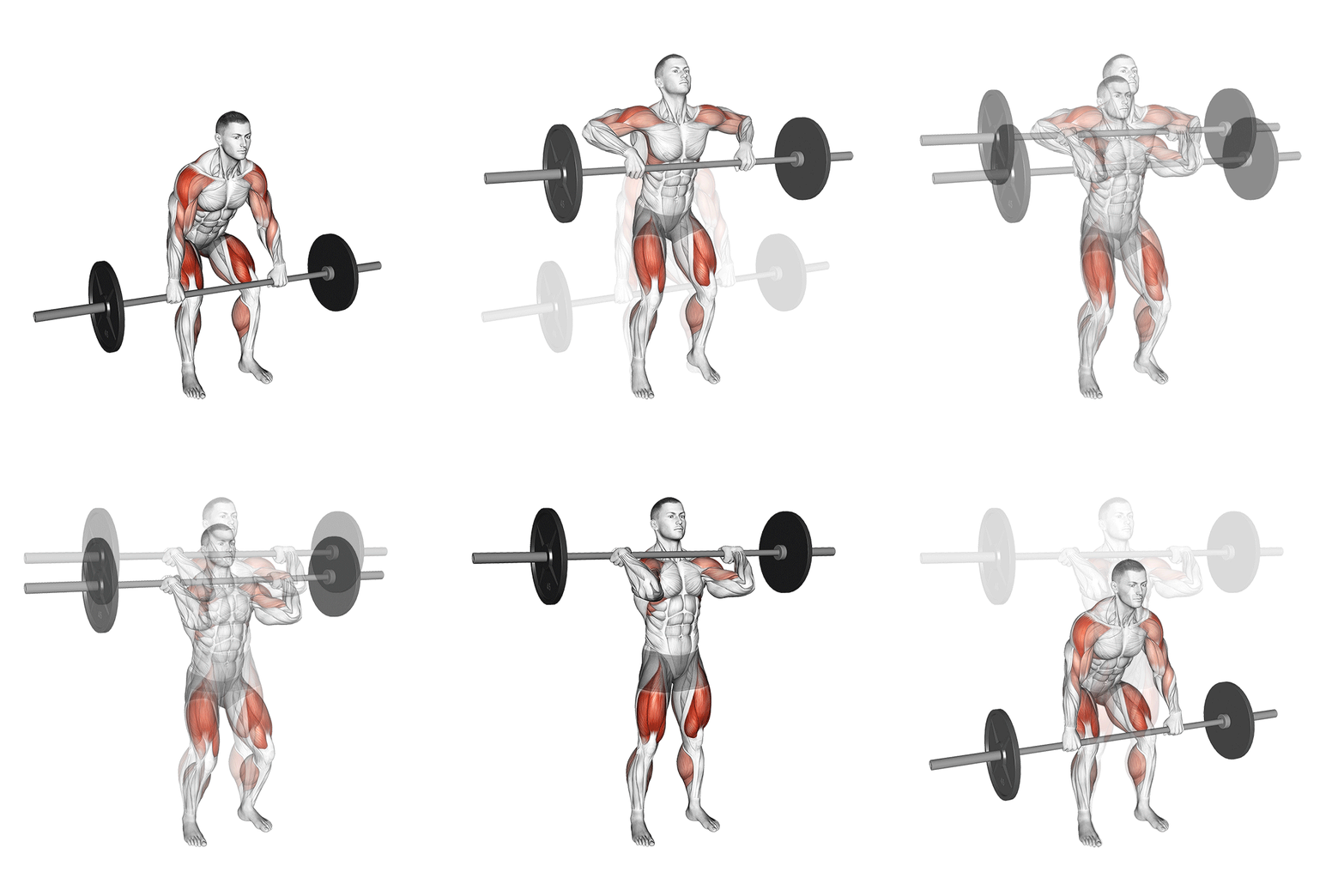
What is the hang power clean?
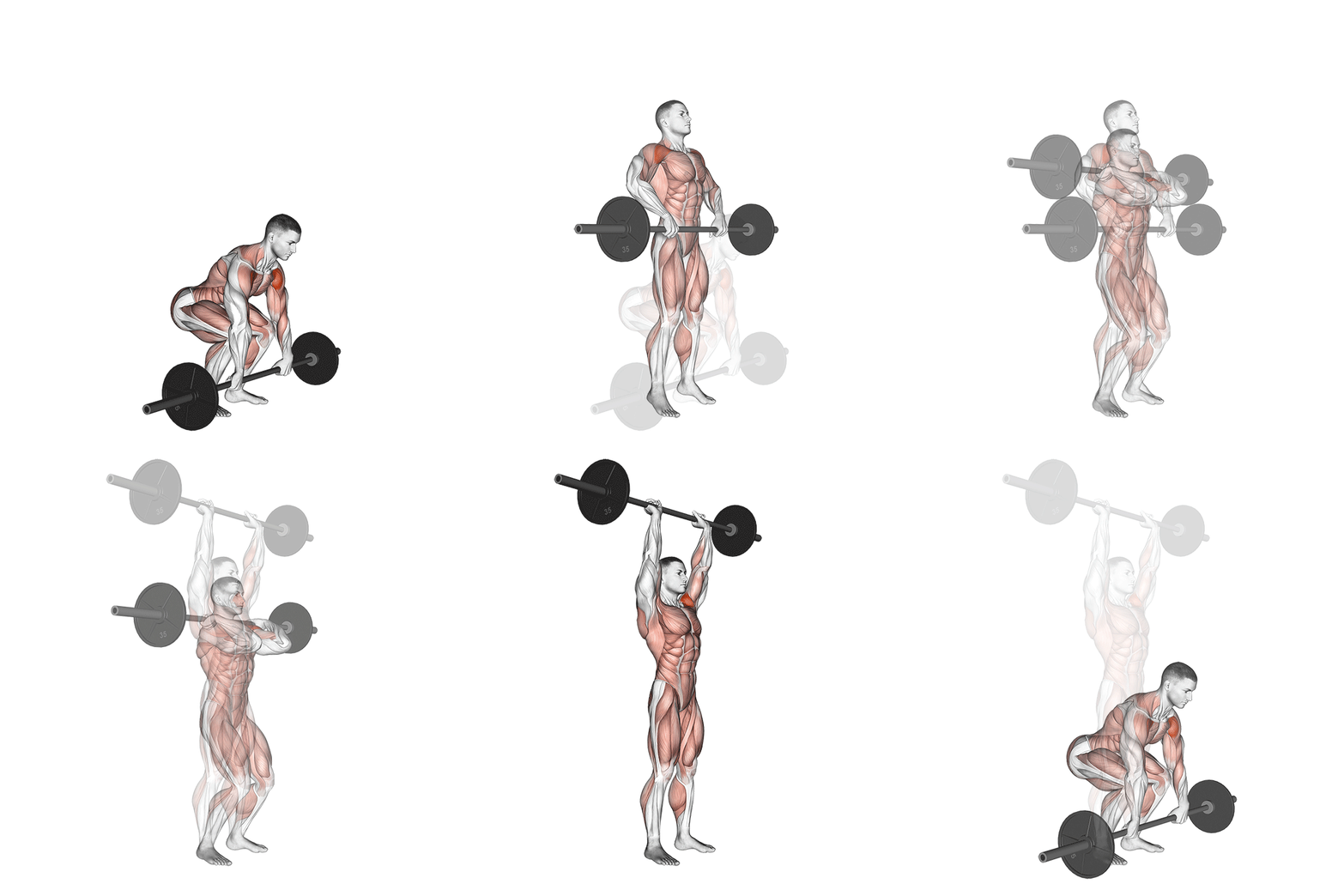
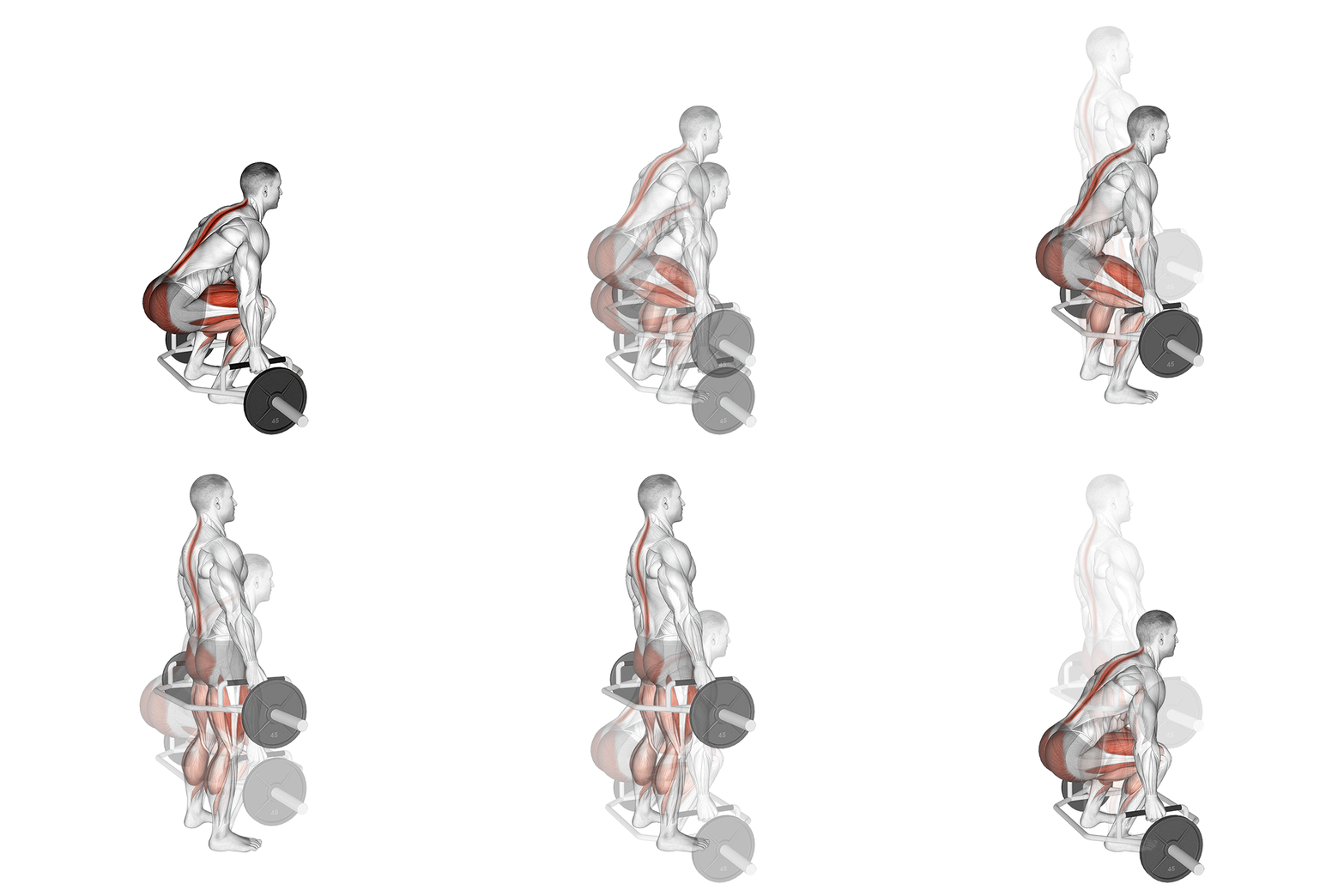
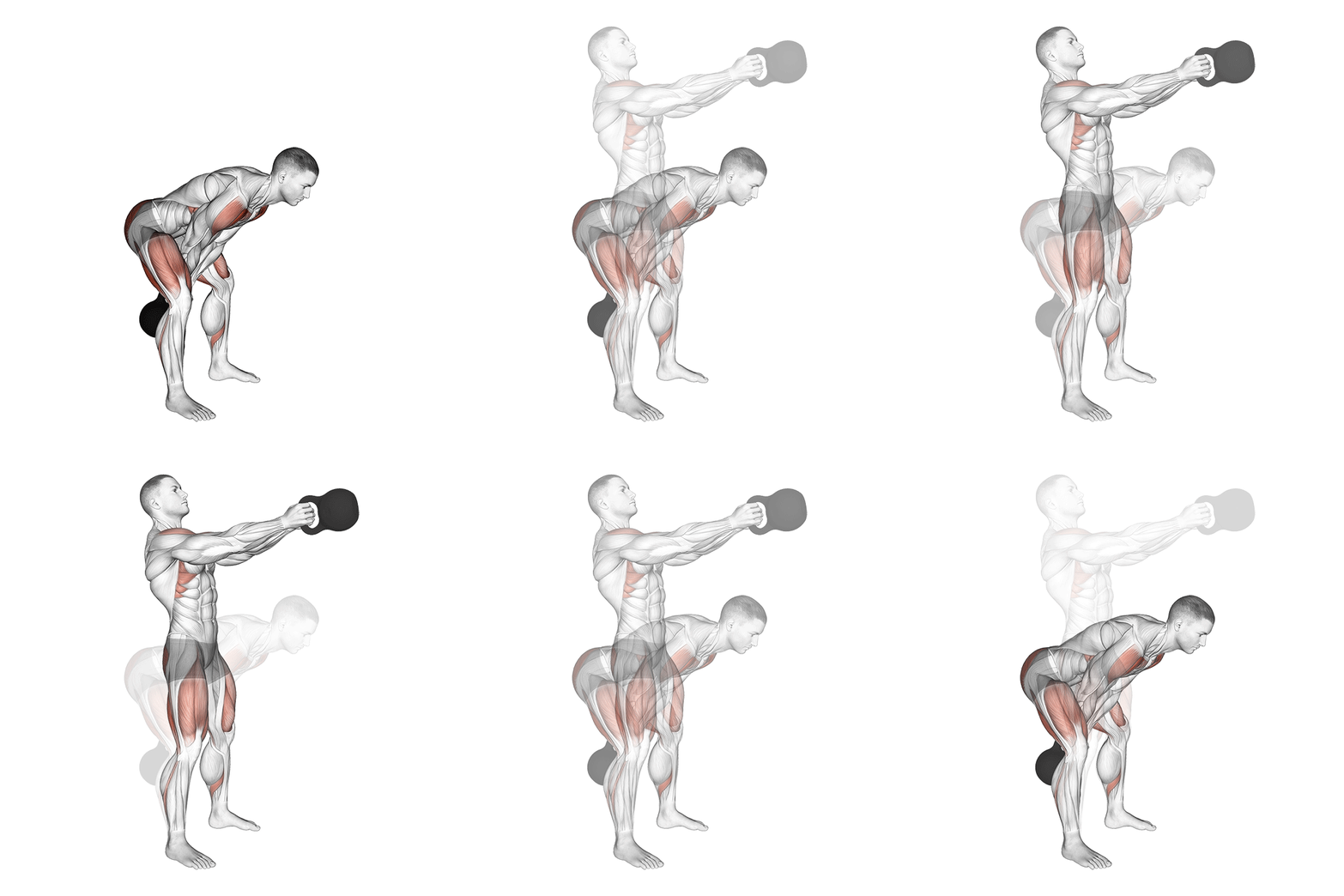
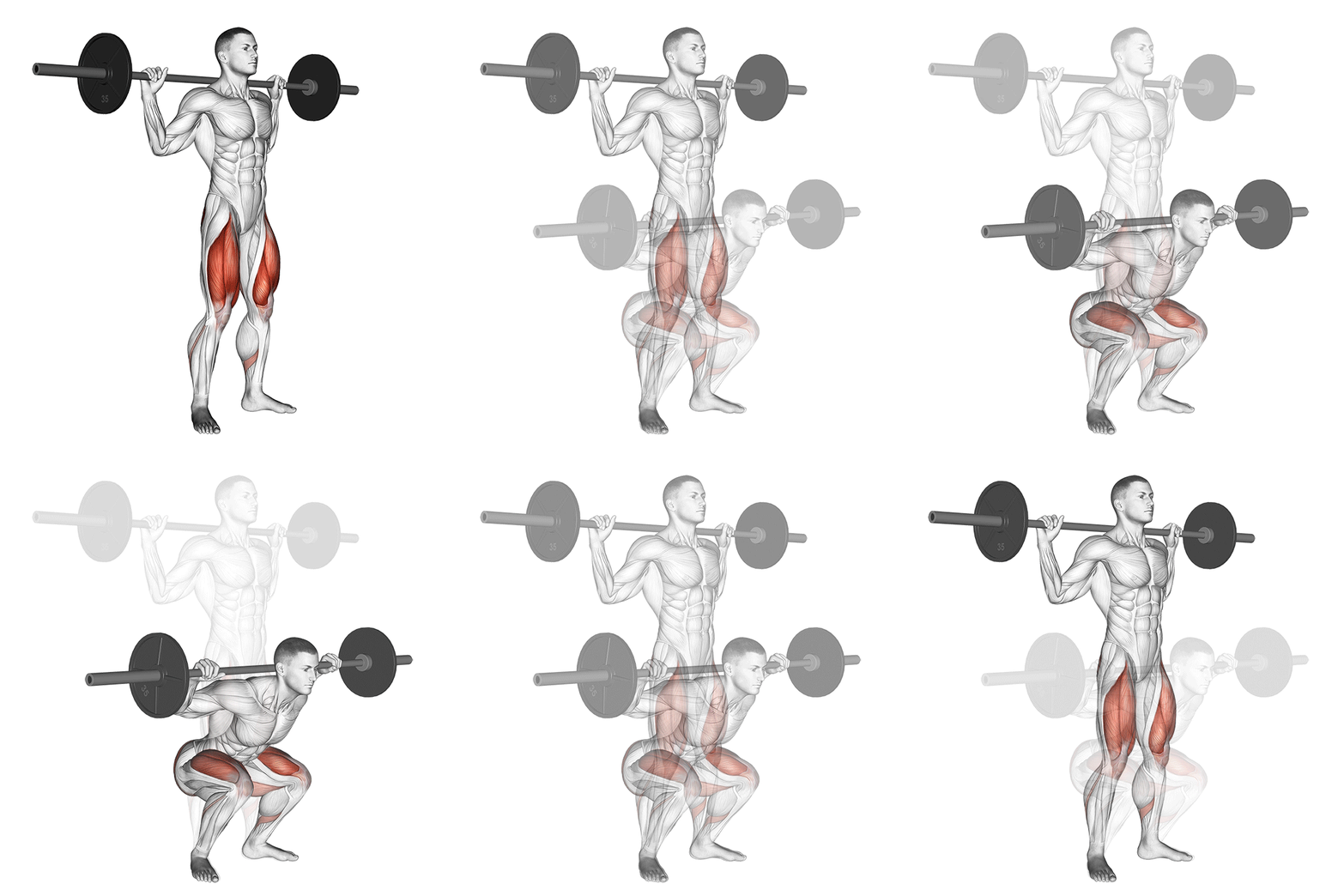
The hang power clean starts with the bar at the hip or just above the knee (high hang vs. hang), instead of on the floor. You hinge down to position the bar, then explode through triple extension and catch in a quarter front squat. Because you skip the first pull, the hang variation strips away most of the technical complexity and forces you to use the hips, not the back, to move the bar. It's the best entry point to Olympic lifting for hybrid athletes, and a strong main lift in its own right: heavy hip extension, fast bar speed, and direct power transfer to running, jumping and sled work. Strong people who can't pull from the floor with a flat back should live here.
How to do the hang power clean
- 1
Start standing tall with the bar
Stand with the bar at the hip, hook grip, hands just outside the knees. Feet hip-width, chest tall, lats engaged.
- 2
Hinge to the hang position
Push hips back, slide the bar down the thighs to just above the knees. Knees slightly bent, back flat, weight in the mid-foot. This is your loaded position.
- 3
Explode (second pull)
Drive the hips violently forward and up. Triple extension at ankles, knees, hips. Shrug aggressively. Arms stay straight until the bar passes the hips.
- 4
Pull under and catch
Pull yourself under the bar fast. Rotate elbows around the bar and catch in a quarter front squat, elbows high, chest tall. Stand to finish.
Pro tip
Pause at the hang position for half a second on every rep. The pause kills bounce, forces a real second pull, and exposes weak hip drive. If you can't move the bar fast from a dead-stop hang, the load is too heavy.
Common mistakes
Reverse-curling the bar.
If your arms bend before your hips finish, you'll never get the bar high enough. Arms straight until full extension, every rep.
Squatting the hang position.
Bending the knees instead of hinging puts the load on the quads and kills the hip drive. The hang is a hinge with soft knees, not a quarter squat.
Catching forward.
If the bar lands in front of the shoulders, you finished forward instead of up. Vertical jump, vertical catch.
Going too heavy.
Slow reps train slow patterns. Hang cleans live in the 65 to 80 percent zone, no higher. Speed beats weight every time.
Variations and progressions
Easier
High hang power clean
Start with the bar at mid-thigh instead of above the knee. Shorter range, less hinge required, isolates the hip pop in its purest form.
Harder
Hang clean (full catch)
Catch in a full front squat. Demands more mobility and confidence, allows heavier loads. The next step toward a full clean from the floor.
Bumper-free gym?
Dumbbell hang clean
Two dumbbells, same movement. Easier on the wrists, easier to drop, and great for unilateral imbalances. Useful when you can't drop a bar safely.
How to program it
Three protocols by goal. Pick one per cycle and aim for progression on load or distance.
| Goal | Sets × distance | Load | Rest |
|---|---|---|---|
| Technique | 5 × 3 @ 55% 1RM | Light, pause at hang | 90 s |
| Power | 6 × 2 @ 75-80% 1RM | Moderate | 2-3 min |
| Conditioning | EMOM 8 × 3 reps @ 60% | Submax, every rep fast | Built into EMOM |
Hang Power Clean FAQ
Why hang power clean instead of full power clean?
Two reasons. First, you skip the first pull (the most technical part of the lift) so most athletes can learn the hang in two weeks instead of two months. Second, many hybrid athletes have stiff hamstrings or limited thoracic mobility, which makes pulling from the floor with a flat back hard. The hang sidesteps both problems and still delivers the second-pull power that actually drives performance.
How does it transfer to running?
Big. Sprint mechanics are basically repeated hip extensions under load: every stride is a triple extension. Hang cleans train that exact pattern at higher force outputs than you can produce by running. Studies on team-sport athletes consistently show hang cleans improving sprint times more than traditional strength work alone. Two sessions a week of hang variations will make your stride feel snappier within a month.
Can I do hang cleans on a running day?
Yes, before the run. Hang cleans at low volume (3 to 5 sets of 2 to 3 reps at 70 percent) are a great primer for an easy run or a tempo session: they wake up the nervous system and improve stride power without taxing endurance systems. Save heavy hang clean work for non-running days or run-recovery days when intensity on the bike is light.