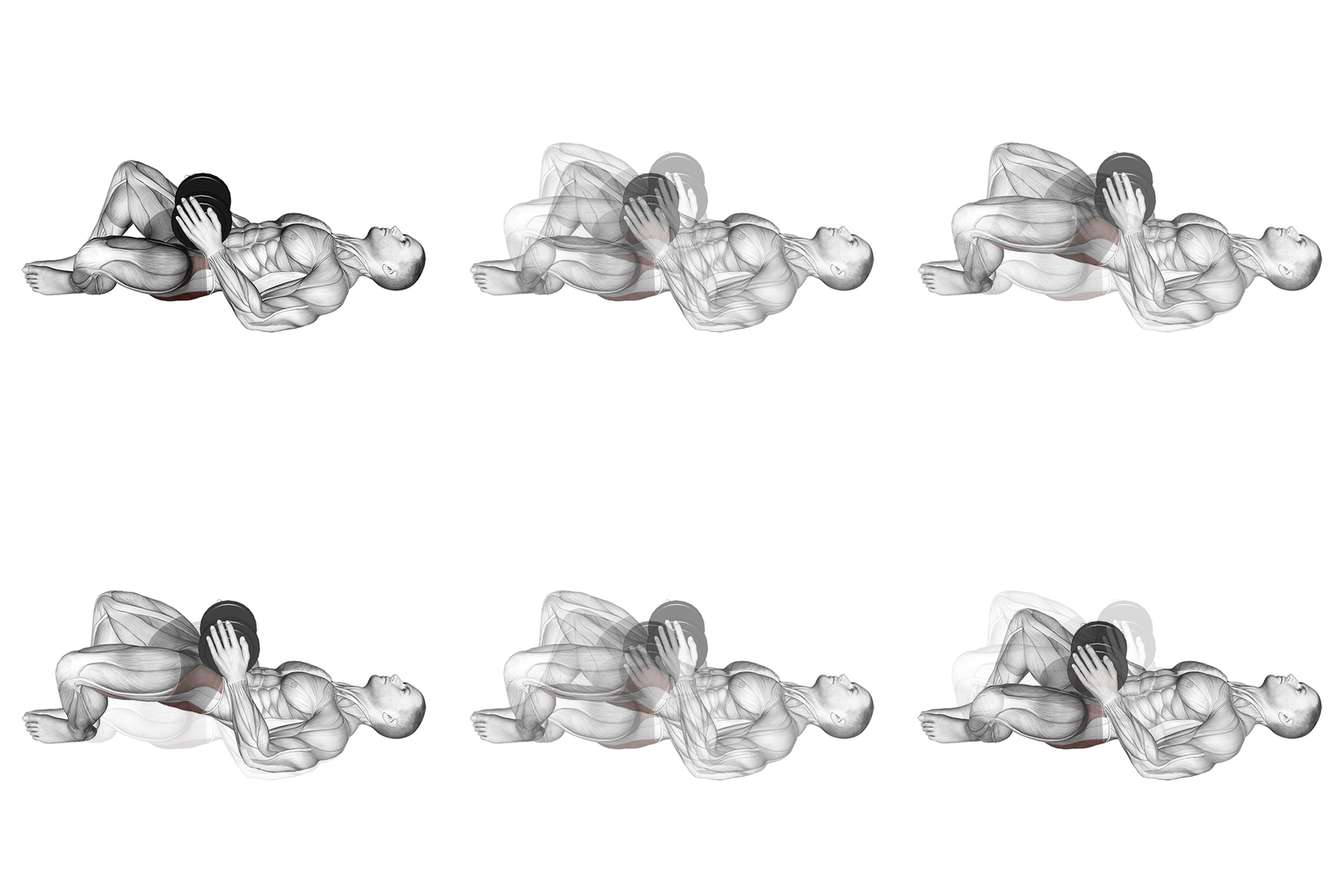
What is the frog pump?
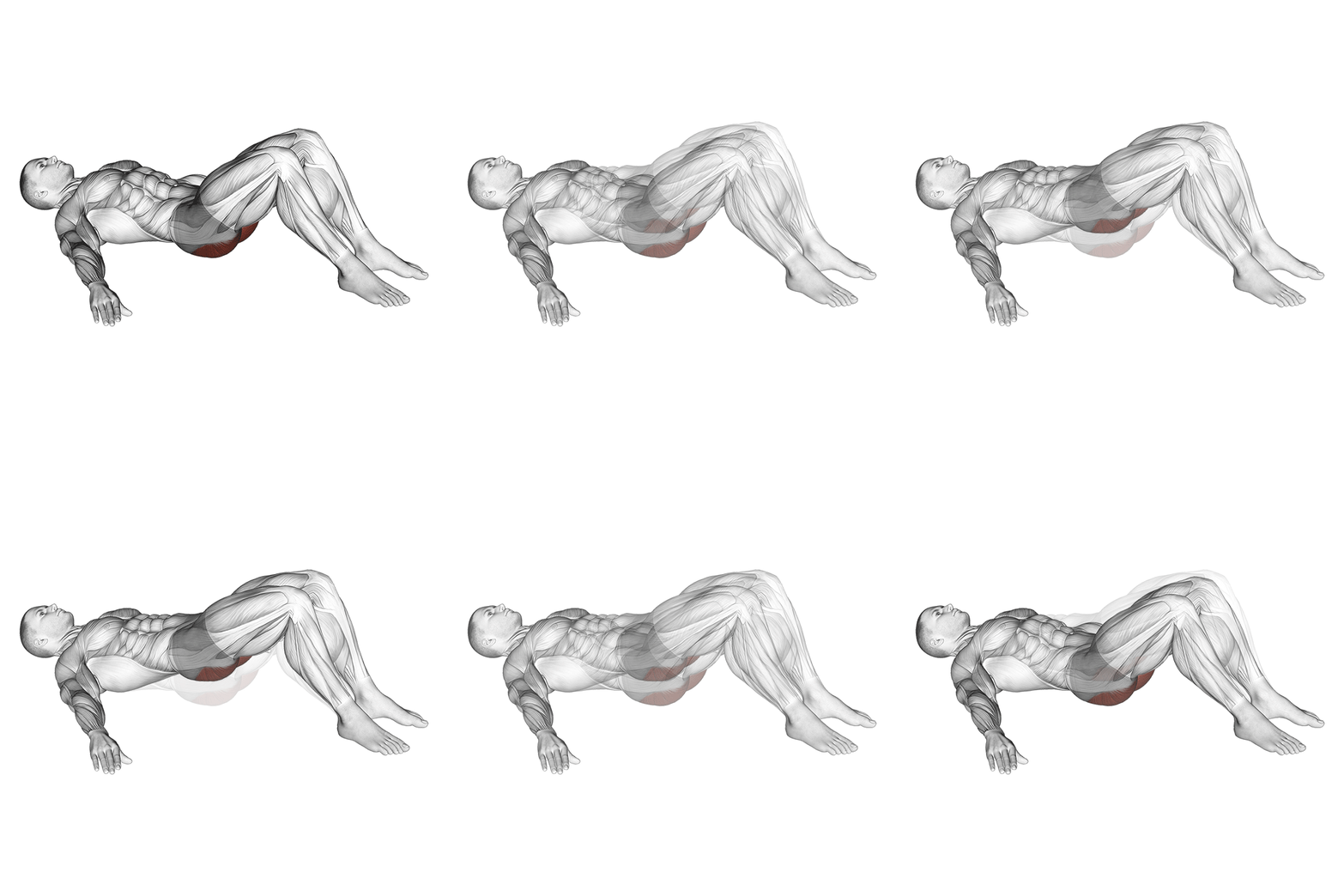
The frog pump is a supine glute bridge done with the soles of the feet pressed together and the knees turned out, like a butterfly stretch. The external rotation of the hips and the wide knee position bias the glute max while taking the hamstrings almost entirely out of the equation. EMG research from Bret Contreras's lab shows glute activation higher than a standard glute bridge in many subjects. Low setup, no equipment, very high glute-specific value.
How to do the frog pump
- 1
Set the start
Lie on your back, soles of the feet together, knees out wide like a butterfly. Heels 10 to 15 cm from the body.
- 2
Tuck the pelvis
Press the lower back into the floor, rib cage down. This sets the glutes up to do the lifting, not the lumbar.
- 3
Drive the hips up
Push the hips toward the ceiling by squeezing the glutes hard. Heels stay together, knees keep pressing out.
- 4
Hold and lower
One-second squeeze at the top, then lower over 2 seconds. Don't relax the glutes at the bottom, stay just off the floor.
Pro tip
If you feel the lower back instead of the glutes, your pelvis isn't tucked. Reset, push the lumbar into the floor before the first rep, and only then drive up. The cue "ribs down, tail up" works.
Common mistakes
Hyperextending at the top.
Pushing the hips so high that the lumbar takes the load is a glute kill switch. Stop at the line between knees and shoulders.
Knees collapsing in.
If the knees drift toward each other, you lose the external rotation that makes the move glute-specific. Press the knees out the whole set.
Resting on the floor between reps.
Letting the glutes relax at the bottom turns the set into singles. Stay an inch off the floor, keep tension.
Going too heavy too soon.
Frog pumps shine at high reps with a plate on the hips. Beginners should master 3 × 20 bodyweight before loading.
Variations and progressions
Easier
Bodyweight glute bridge
Feet flat, hip-width apart. Easier to find the glute squeeze before switching to the frog setup.
Harder
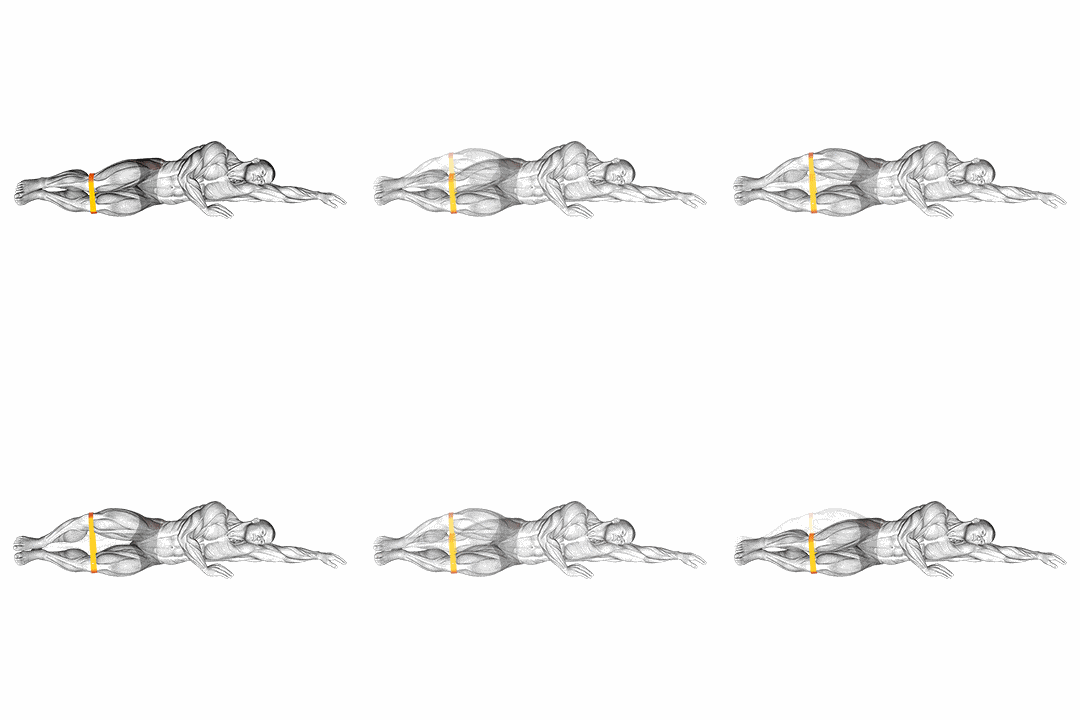
Banded weighted frog pump
Mini band above the knees, plate or DB on the hips. Double the resistance: vertical and lateral.
Alternative
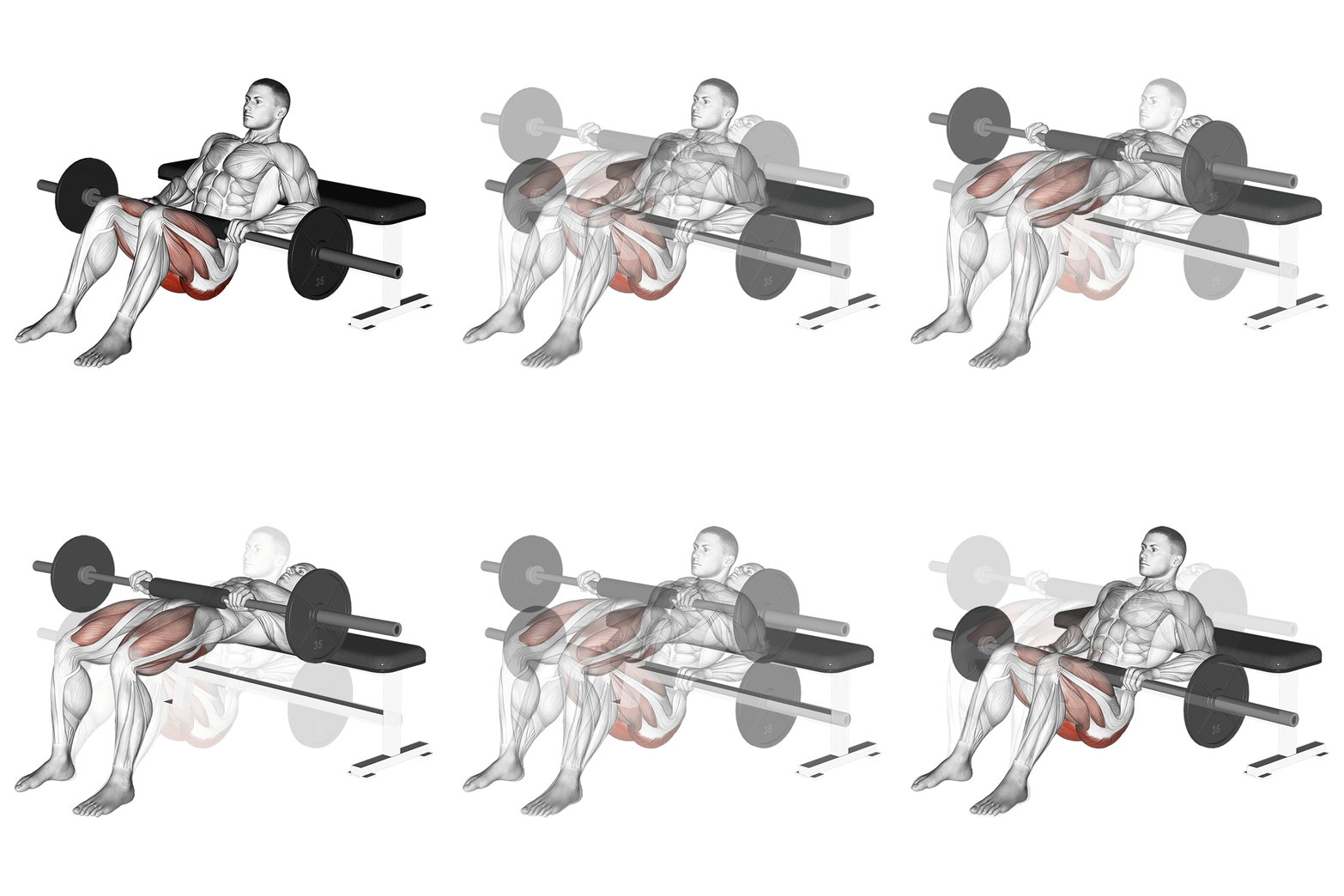
Hip thrust on bench
Same glute focus with a longer range and more loading potential. Use as the main lift, frog pumps as the finisher.
How to program it
Three protocols by goal. Pick one per cycle and aim for progression on load or distance.
| Goal | Sets × distance | Load | Rest |
|---|---|---|---|
| Activation | 2 × 20 | Bodyweight | 45 s |
| Hypertrophy | 4 × 15 weighted | 10-20 kg plate | 60 s |
| Glute burn-out | 3 × 25 + 15 s hold | Bodyweight or band | 60 s |
Frog Pump FAQ
Frog pump vs hip thrust, do I need both?
They complement rather than replace each other. The hip thrust loads heavy and builds the bulk of glute size and strength. The frog pump isolates the glute max in a stretched, externally rotated position with very little hamstring contribution. Use the hip thrust as the main lift, the frog pump as a high-rep finisher.
Why does it activate the glutes so well?
The hip external rotation places the glute max in a mechanically advantaged position to extend the hip. With knees out and feet together, the hamstrings cannot help much because they prefer hip extension with knees pointed forward. The result is a near-pure glute contraction. Contreras's EMG work showed activation peaks in many subjects above a standard bridge.
How often should I program it?
Two to three sessions a week is plenty. The glutes recover fast from this kind of low-impact isolation, but the value is in repeated quality contractions over weeks. Pair it with hip thrusts on glute days or with squats and lunges as a finisher on lower body days.