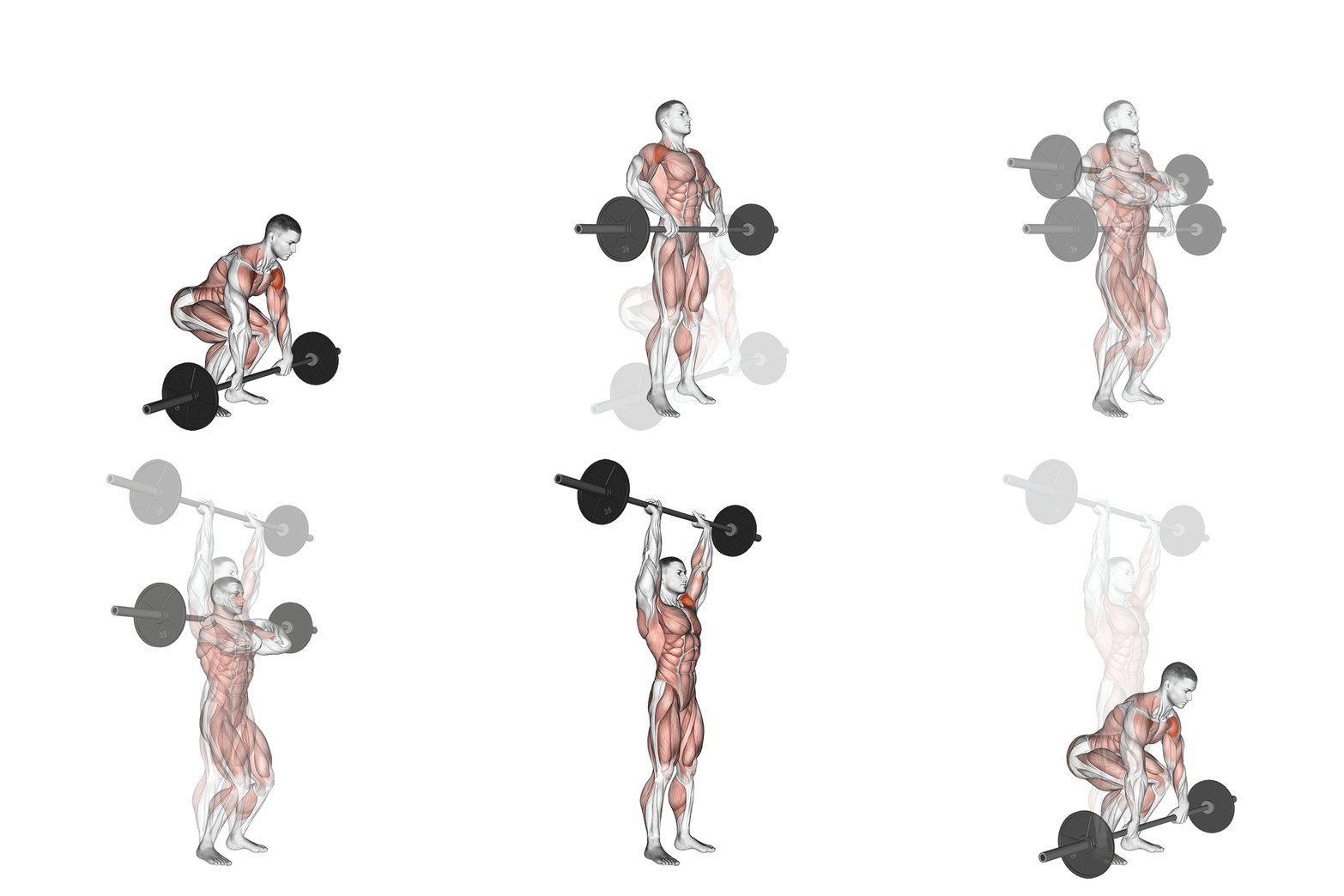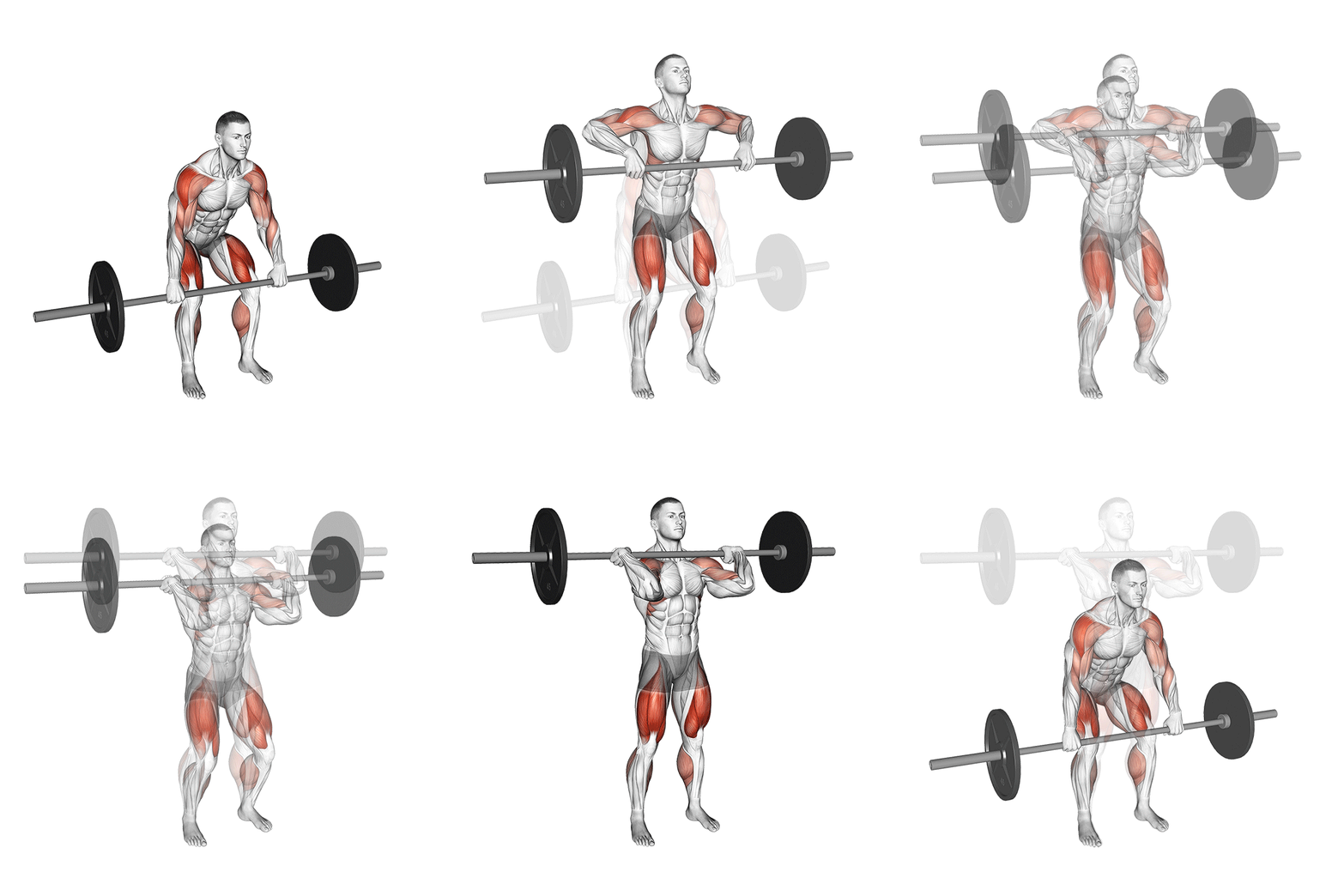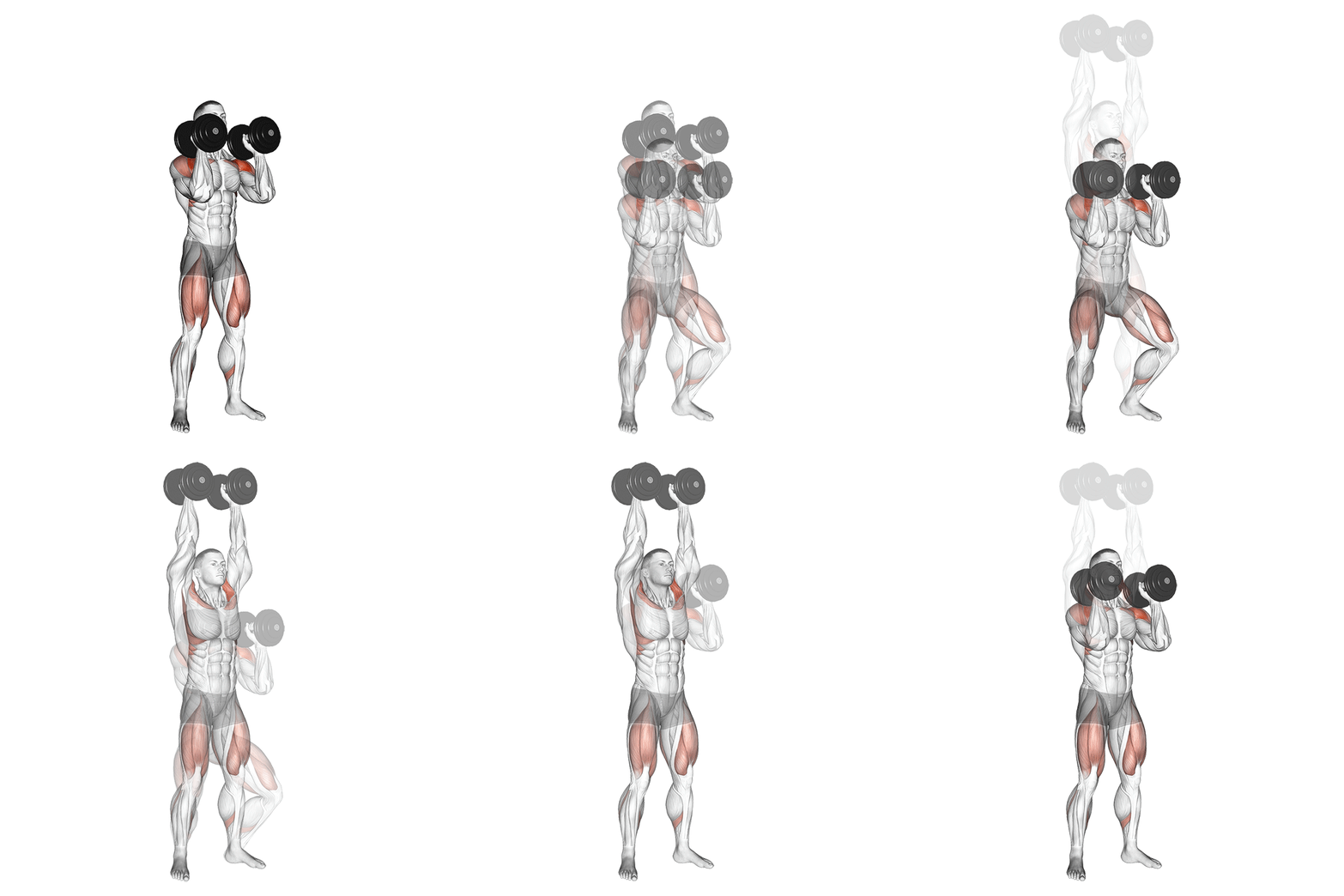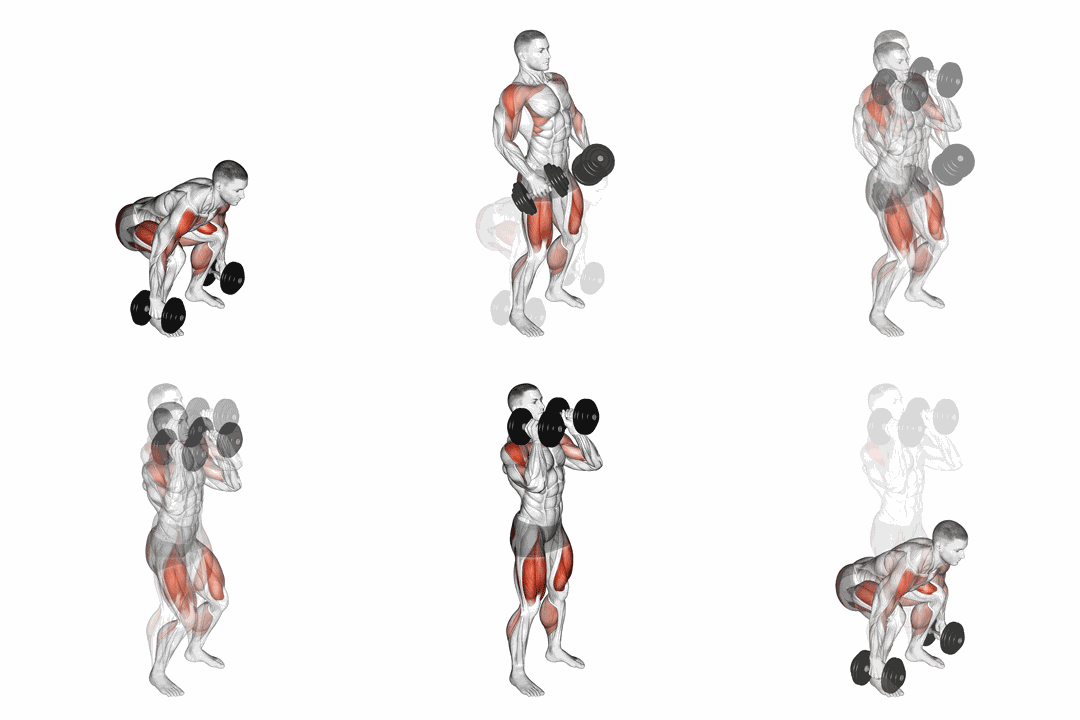
What is the dumbbell power clean?
The dumbbell power clean is a triple-extension lift where you pull two dumbbells from the floor (or hang) and catch them on the shoulders in a quarter squat. It trains the same explosive hip drive as a barbell power clean, but each dumbbell tracks its own path, which is much kinder to wrists and learning curves. It builds rate of force development, posterior-chain power, and full-body coordination. For coaches without bumper plates or a platform, it's the safest way to put Olympic lifting into a program.
How to do the dumbbell power clean
- 1
Set up over the dumbbells
Dumbbells outside the feet, feet hip-width. Hinge at the hips and bend the knees, lats engaged, back flat, chest tall.
- 2
Pull off the floor with the legs
Push the floor away to lift the dumbbells past the knees. Arms long, dumbbells close to the legs.
- 3
Explode at the hips, shrug high
Drive hips through hard, finish on the balls of the feet with a violent shrug. Dumbbells fly straight up.
- 4
Catch on the shoulders
Whip elbows around, drop into a quarter squat, catch dumbbells on the front of the shoulders with palms facing in.
Pro tip
Most lifters arm-pull the dumbbells. Force yourself to keep the arms long until the hips finish, then let the elbows whip. If you feel biceps before glutes, you cheated the pull.
Common mistakes
Arm pulling early.
Bent elbows off the floor kill explosive hip extension. Keep arms long, let the legs and hips do the work.
Swinging dumbbells out wide.
If the dumbbells loop forward, the catch becomes a curl. Keep them close to the body on the way up.
No hip finish.
Squatting the dumbbells up instead of snapping the hips through wastes the power. Drive hips violently.
Slow elbows in the catch.
Lazy elbows mean you bump the dumbbells off the chest. Whip them fast as soon as the hips finish.
Variations and progressions
Easier
Hang dumbbell power clean
Start from the hang at mid-thigh, no floor pull. Removes the technical first phase, lets you focus on hip drive.
Harder
DB clean and press complex
Power clean, then strict press overhead each rep. Full-body conditioning at moderate load.
No dumbbells?
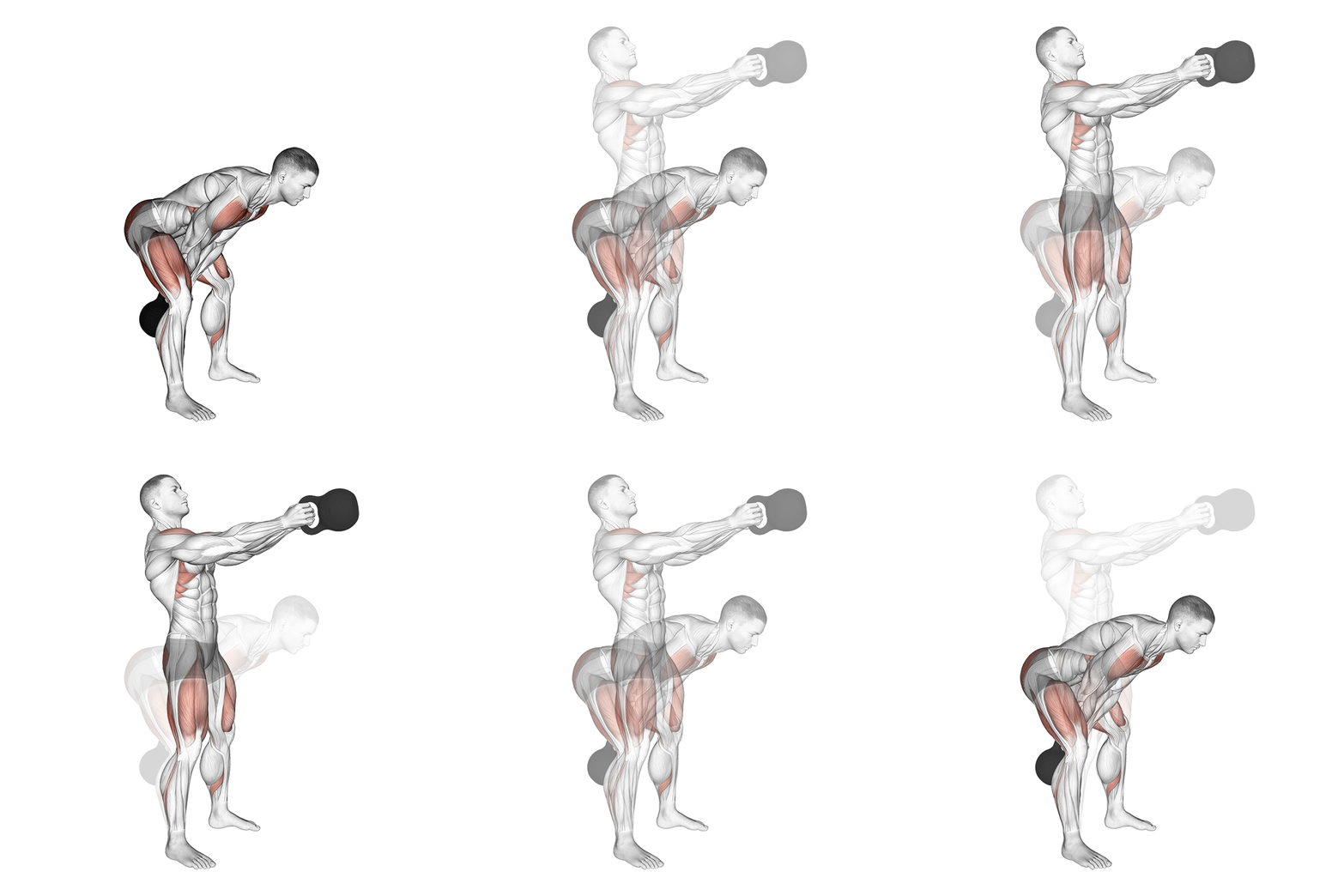
Kettlebell double clean
Two kettlebells, swing-clean to the rack. Slightly different rack position but very similar power demand.
How to program it
Three protocols by goal. Pick one per cycle and aim for progression on load or distance.
| Goal | Sets × distance | Load | Rest |
|---|---|---|---|
| Power | 5 × 3 | Moderate, fast | 2 min |
| Conditioning | 5 × 8 | Light to moderate | 60-90 s |
| EMOM finisher | 10 × 5 on the minute | Light | Remainder of min |
Dumbbell Power Clean FAQ
Dumbbell or barbell power clean?
Barbell is the gold standard for force and load capacity, but it has a long technical learning curve and demands bumper plates and a platform. Dumbbell power cleans are 80 percent of the training benefit at 20 percent of the skill cost. Use them as your default if you train in a commercial gym or coach group classes. Switch to barbell only if you compete or have access to proper equipment.
How heavy should I go?
Power lifts are speed-dependent, so the load matters less than the bar speed. As a rough guide, two dumbbells totaling 50 to 70 percent of your front squat one-rep max is a strong working range. If the catch feels slow or the hips don't snap, drop weight. Speed is the whole point.
Where does it fit in a Hyrox program?
It's not a station, but it builds the explosive triple extension you use on sled push, broad jumps, and wall ball stand-ups. Run it twice a week, low rep (3 to 5), fast and clean, at the start of strength sessions before fatigue kills bar speed. Skip it in the last week of a taper.