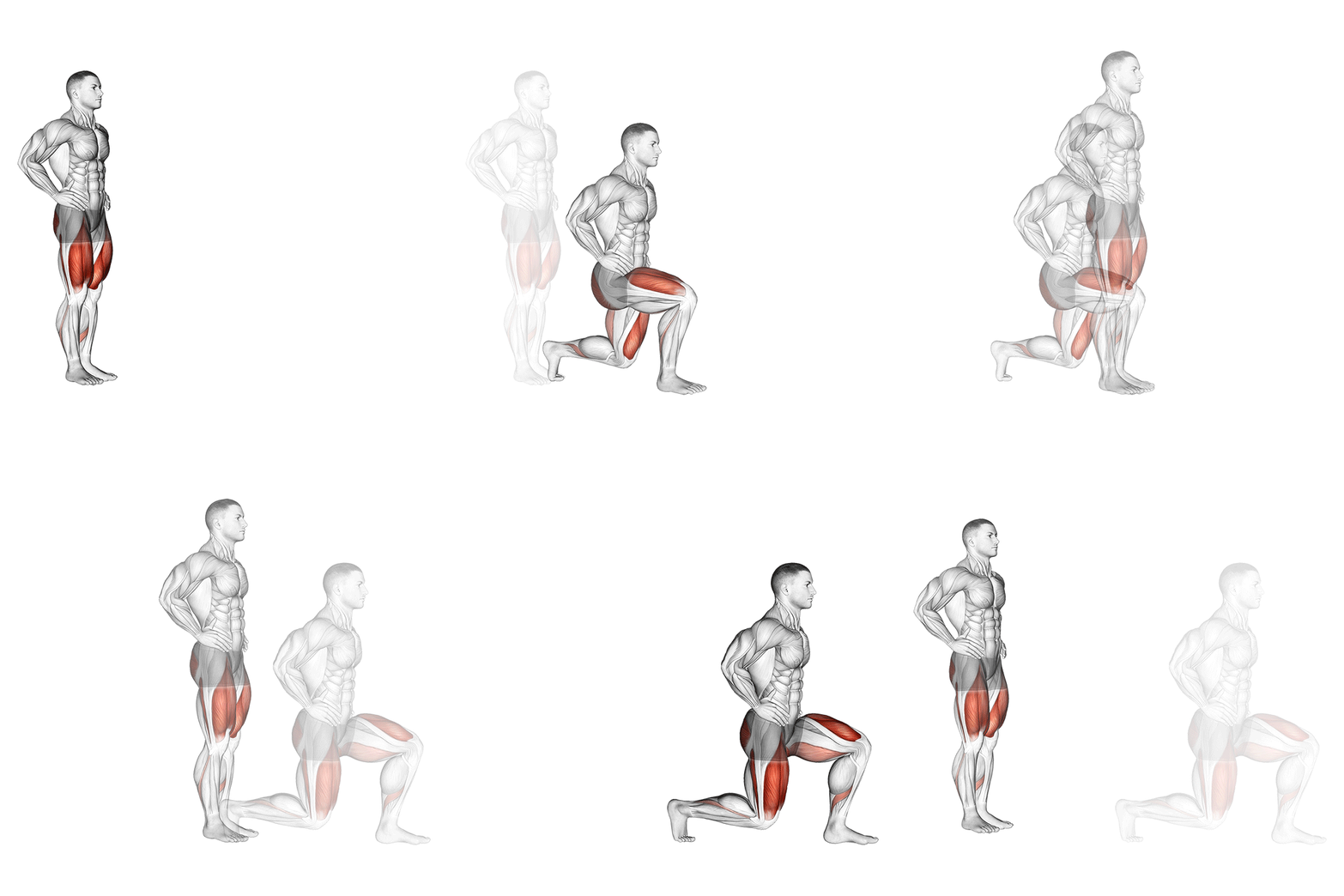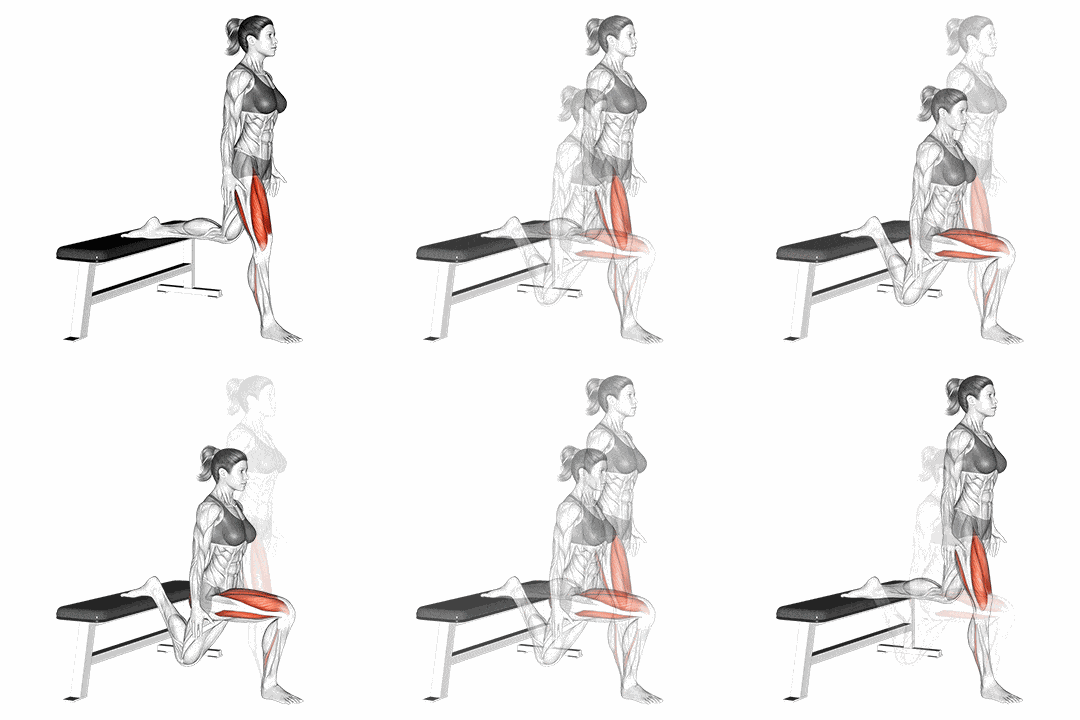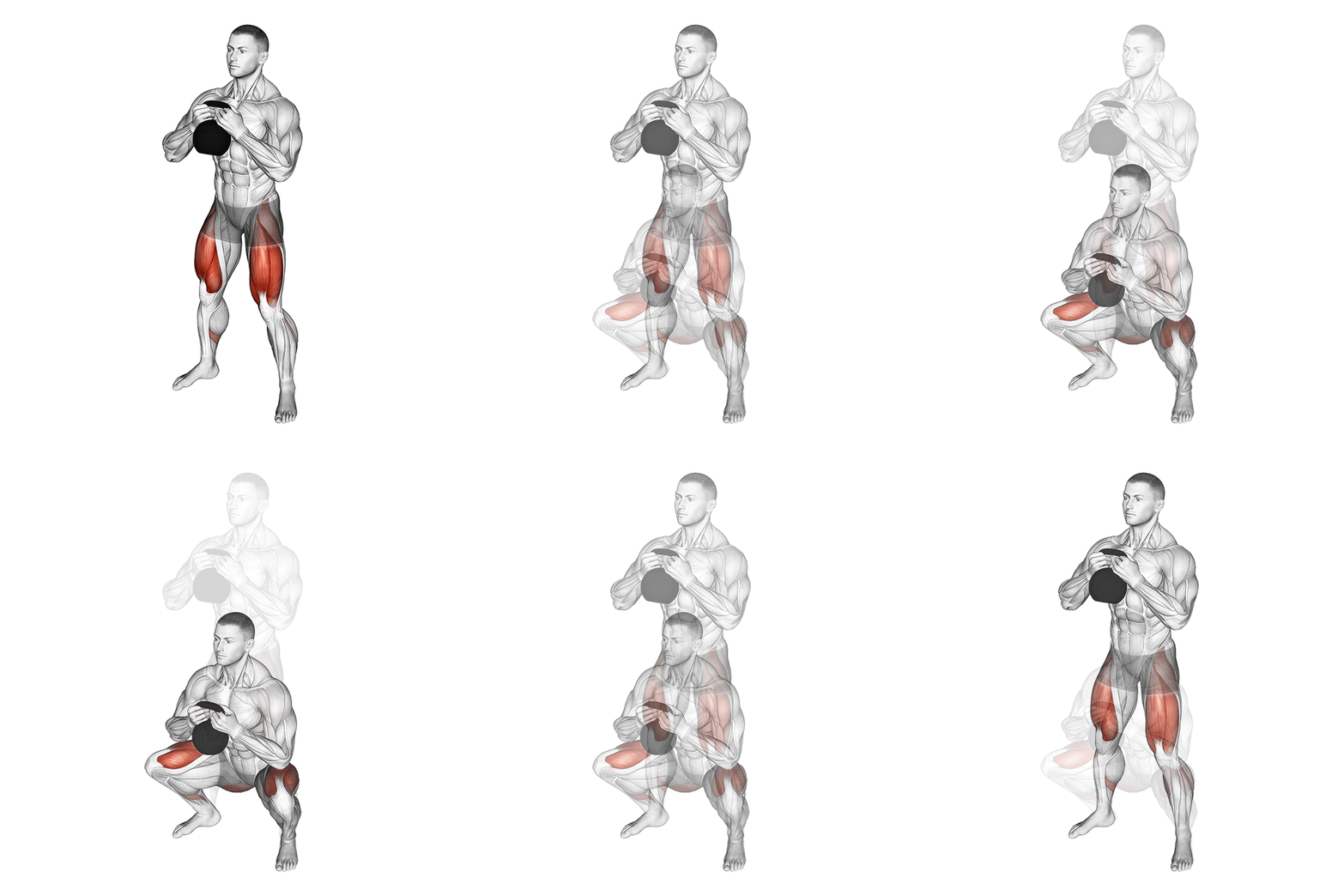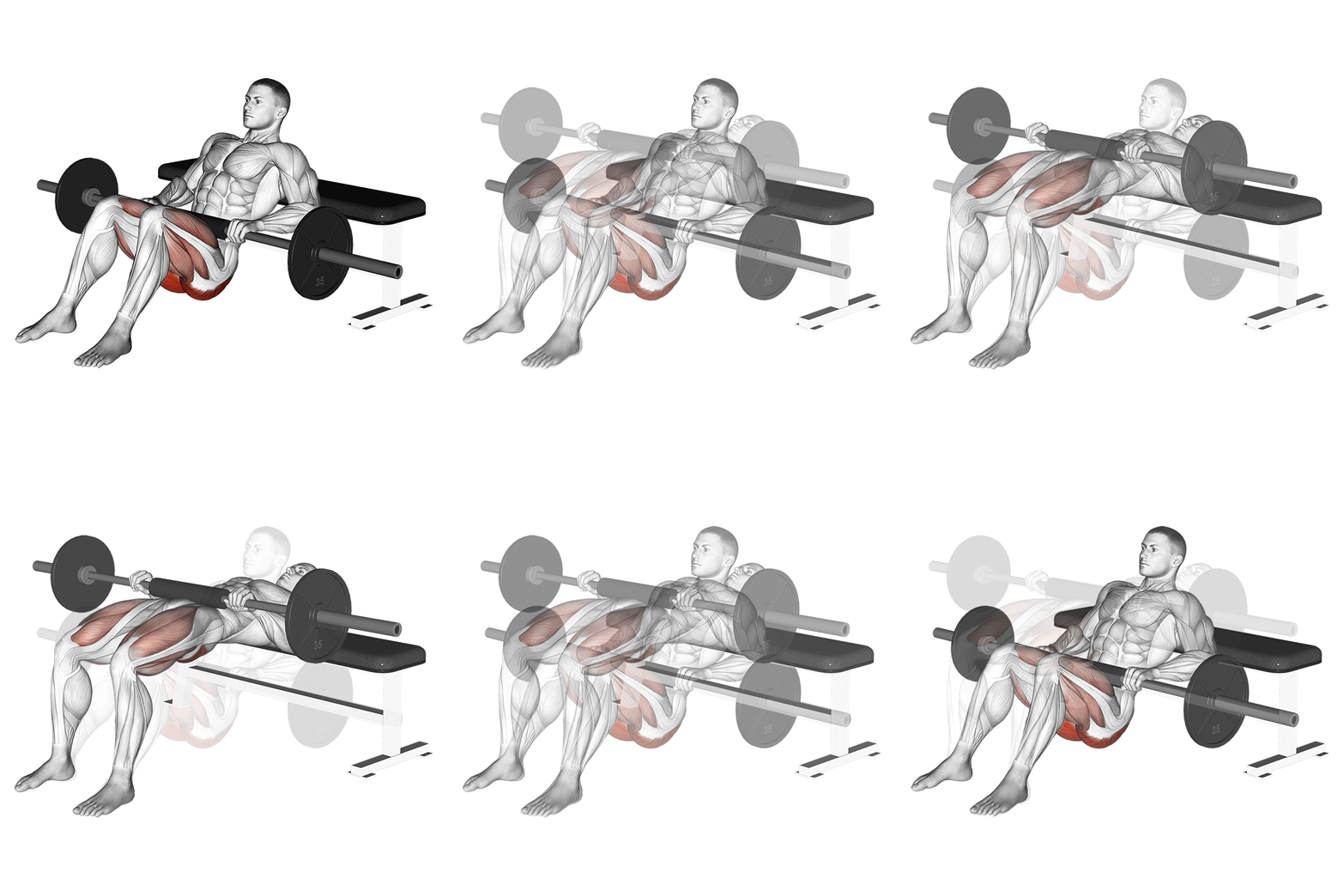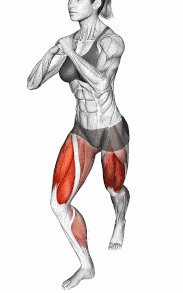
What is the curtsy lunge?
The curtsy lunge is a unilateral squat pattern where you step one foot behind and across the other, mimicking a curtsy bow, then sink the back knee toward the floor. The cross-step pulls the working hip into adduction and forces the glute medius and gluteus maximus to stabilize in the frontal plane. That's a plane most lifters ignore, even though every change of direction in sport happens there. It builds hip control, knee stability, and serious glute mass on the side and back of the hip.
How to do the curtsy lunge
- 1
Stand tall, weight loaded
Hold a dumbbell at chest (goblet), two dumbbells at the sides, or a barbell on the back. Feet hip-width, ribs over hips.
- 2
Step back and across
Step one foot behind and across the other, landing about 60 cm back and to the outside. Toes point forward, back heel up.
- 3
Sink straight down
Lower the back knee toward the floor, keeping the front knee tracking over the toes. Keep chest tall, hips square forward.
- 4
Drive through the front heel
Push the floor away with the front foot, returning to the start. Squeeze the front glute hard at the top.
Pro tip
Most lifters tip forward and let the front knee cave inward. Imagine pressing the outside of the front hip away from the midline, the move comes alive when you fight that cave.
Common mistakes
Front knee caving in.
Valgus collapse means the glute medius is sleeping. Drop load and cue knee out over the second toe.
Hips rotating to the side.
If the back hip opens up, you turn it into a reverse lunge. Square the hips forward.
Step too short.
A small cross-step crowds the front knee and pinches the hip. Take a deliberate, generous step back.
Heavy load too early.
The pattern needs hip control before load. Master goblet curtsy lunges before going to a barbell.
Variations and progressions
Easier
Bodyweight curtsy lunge
No load, hands on hips or in front of chest. Drill the pattern and groove hip control before adding weight.
Harder
Deficit curtsy lunge with dumbbells
Stand on a 10 cm step, curtsy down past the step. Bigger range, bigger glute stretch, more demand.
No room?
Cable cross-behind lunge
Anchor a low cable to the working side, curtsy lunge with constant lateral tension pulling the hip out of alignment.
How to program it
Three protocols by goal. Pick one per cycle and aim for progression on load or distance.
| Goal | Sets × distance | Load | Rest |
|---|---|---|---|
| Hip control | 3 × 10 each leg | Goblet, light | 60 s |
| Glute hypertrophy | 4 × 12 each leg | Moderate DBs | 75 s |
| Strength accessory | 4 × 6-8 each leg | Heavy DBs or barbell | 90 s |
Curtsy Lunge FAQ
Curtsy lunge vs reverse lunge, which is better for glutes?
Reverse lunges are better for glute max mass with heavy load. Curtsy lunges are better for glute medius, hip stability, and the side of the hip. They are not interchangeable. A complete leg day uses both, reverse lunges as the heavy unilateral compound, curtsy lunges as the frontal-plane accessory at moderate loads.
Is it safe for the knees?
Done with control, yes. The crossing pattern looks aggressive but loads the hip more than the knee. Trouble happens when the front knee caves inward under load. Build hip-out cueing with bodyweight first, then load progressively. If you have an existing meniscus issue, run the move at goblet weight only and avoid the deficit version.
How does it carry over to running and sport?
Most knee pain in runners traces back to weak glute medius and poor frontal-plane control. The curtsy lunge directly trains that capacity, which is why physios prescribe it for IT band issues, runner's knee, and post-injury return. For change-of-direction sports like tennis or football, two sets twice a week as accessory work pays off in cleaner cuts.