What is the cable rear delt fly?
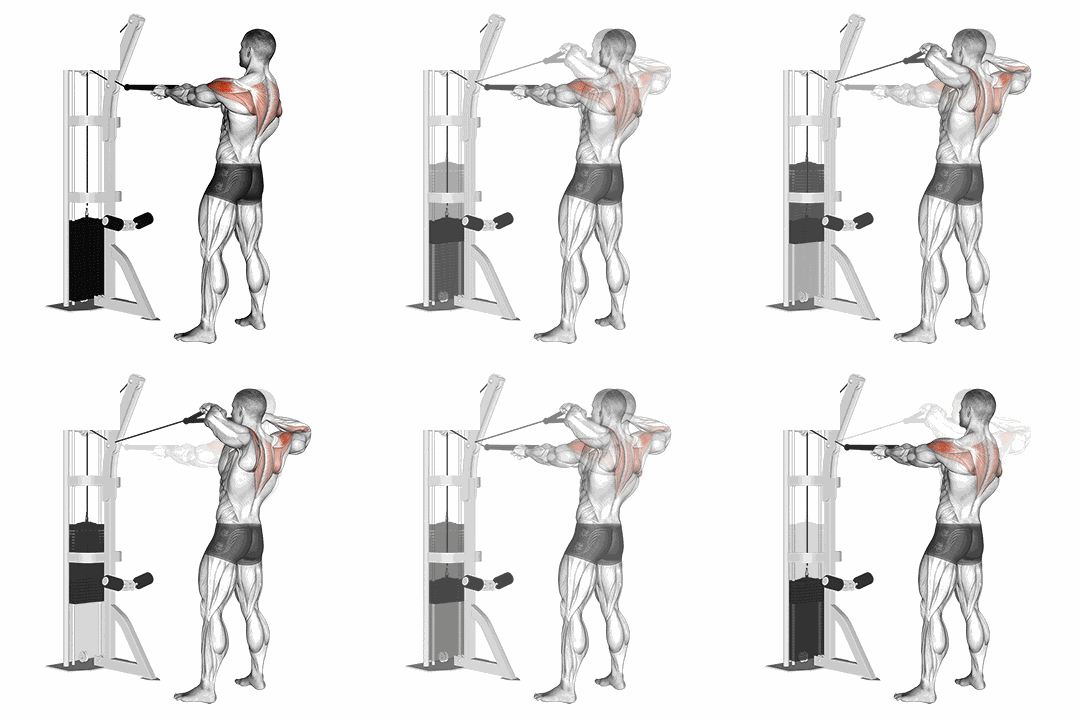
The cable rear delt fly is an isolation movement targeting the posterior deltoid, the back of the shoulder. Standing between two cable stations, you cross the handles in front of your body and pull them out to the sides until the arms reach a wide T. The cable provides constant tension throughout the range, which dumbbells cannot. The rear delt is small, weak and chronically under-trained in most lifters; this exercise corrects that, builds 3D shoulder shape and improves posture by counteracting forward-shoulder roll.
How to do the cable rear delt fly
- 1
Set up the cables
Pulleys at shoulder height. Stand between them, grab left handle with right hand and right handle with left hand, arms crossed.
- 2
Set start position
Soft knees, hinge slightly forward, arms straight in front with a soft elbow bend. Shoulder blades pinned down.
- 3
Open out to a T
Pull the handles out and back, leading with the elbows. Stop when the arms form a wide T at shoulder height.
- 4
Return slow, no rest
Take 2-3 s to return to the crossed start. Keep tension on the rear delt the whole time, no clanging the stack.
Pro tip
Use a much lighter load than you think. The rear delt is small and gets bullied by anything heavy. Go light, slow, and chase the squeeze at the back of the rep.
Common mistakes
Using too much weight.
Heavy load recruits the lats and traps. Drop the weight and feel the rear delt actually working.
Bending the elbows mid-rep.
Turns the fly into a row. Keep a constant soft bend in the elbows from start to finish.
Shrugging the shoulders.
Pulling with the traps kills rear delt work. Pin shoulders down and lead with the elbows out, not up.
Standing too upright.
Pulling with arms parallel to the floor needs a slight hinge. Tip forward 10-15° to put the cable angle on the rear delt.
Variations and progressions
Easier
Single-arm cable rear fly
Work one arm at a time facing sideways to a low pulley. Easier to find the rear delt connection while learning.
Harder
Cable rear fly + 2 s hold
Pause 2 s in the fully open T position every rep. Brutal for rear delt growth and shoulder posture.
No cables?
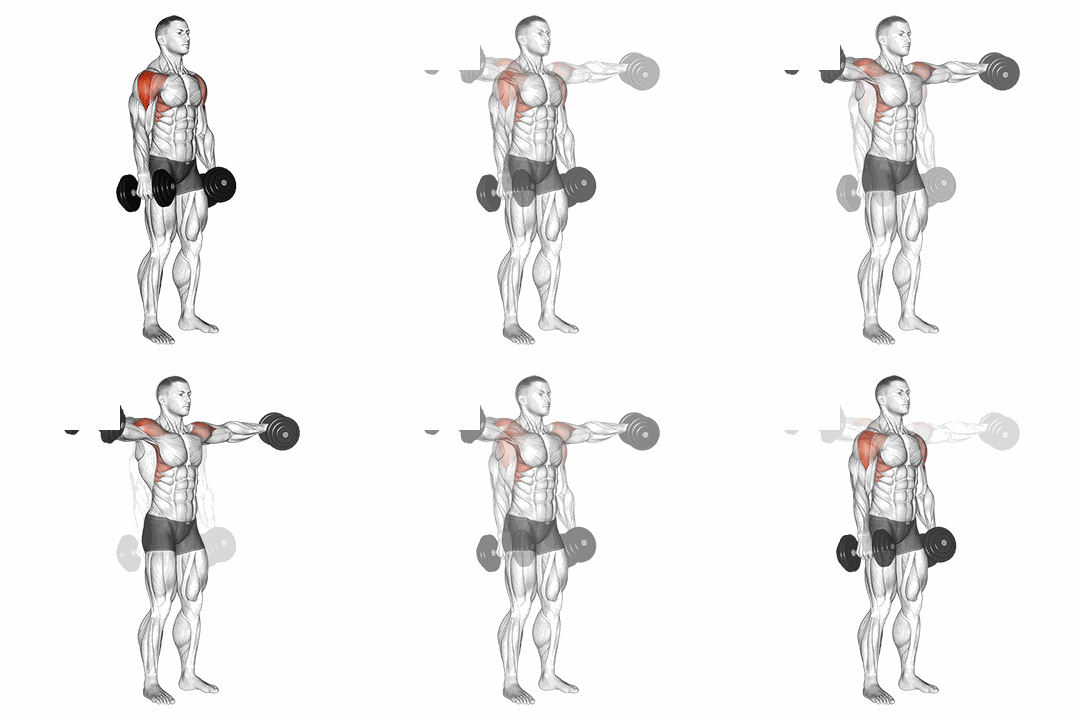
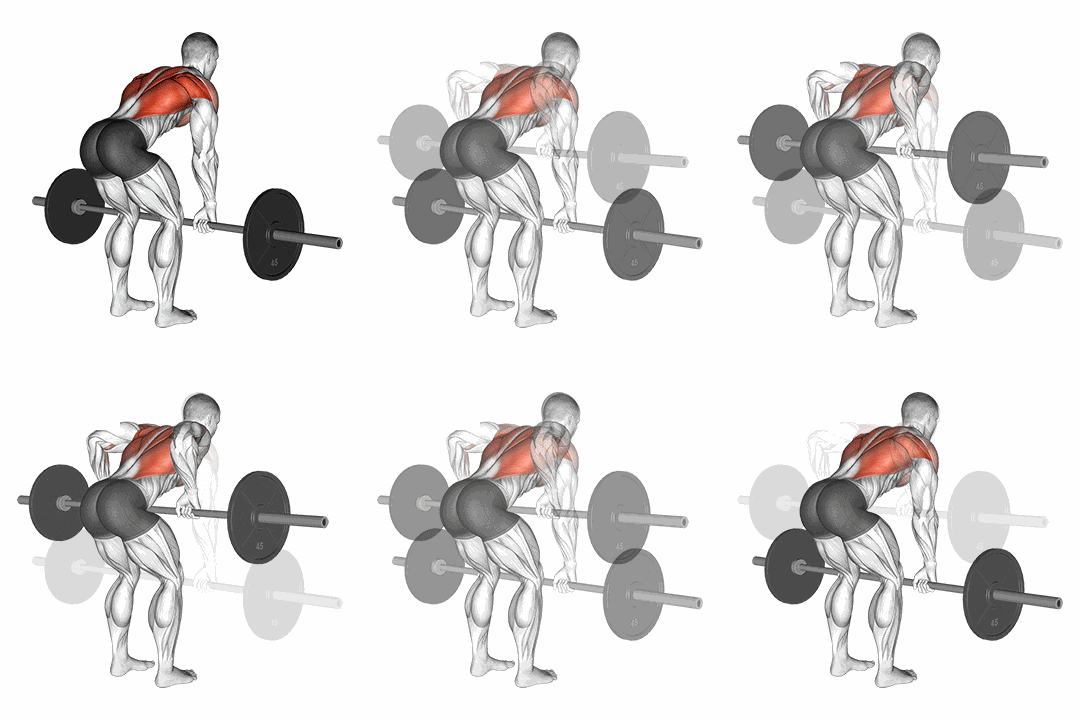
Reverse pec deck or dumbbell rear fly
Reverse pec deck for guided motion, or bent-over dumbbell rear flies for the free-weight version.
How to program it
Three protocols by goal. Pick one per cycle and aim for progression on load or distance.
| Goal | Sets × distance | Load | Rest |
|---|---|---|---|
| Hypertrophy | 4 × 12-15 | Light, strict tempo | 45-60 s |
| Posture / shoulder health | 3 × 20 | Very light | 30-45 s |
| Strength bias | 4 × 8 with 2 s hold | Moderate | 75 s |
Cable Rear Delt Fly FAQ
How often should I train rear delts?
3 to 5 times per week. The rear delt is small, made for endurance, and recovers fast. Spread 15-25 weekly sets across multiple short doses rather than one heavy session. Frequency beats intensity for this muscle.
Cable vs dumbbell rear fly?
Cables win for constant tension, especially in the contracted end of the rep where dumbbells go light. Dumbbells are still useful for stretch at the bottom. Best plan: cable rear fly twice a week for the squeeze, dumbbell rear fly once for the stretch.
Does this help my posture?
Yes, directly. The rear delt and mid-traps pull the shoulders back and down, counteracting the forward roll from sitting and pressing. Add cable rear flies and face pulls 3 times a week and most lifters see noticeable posture changes within 4-6 weeks.