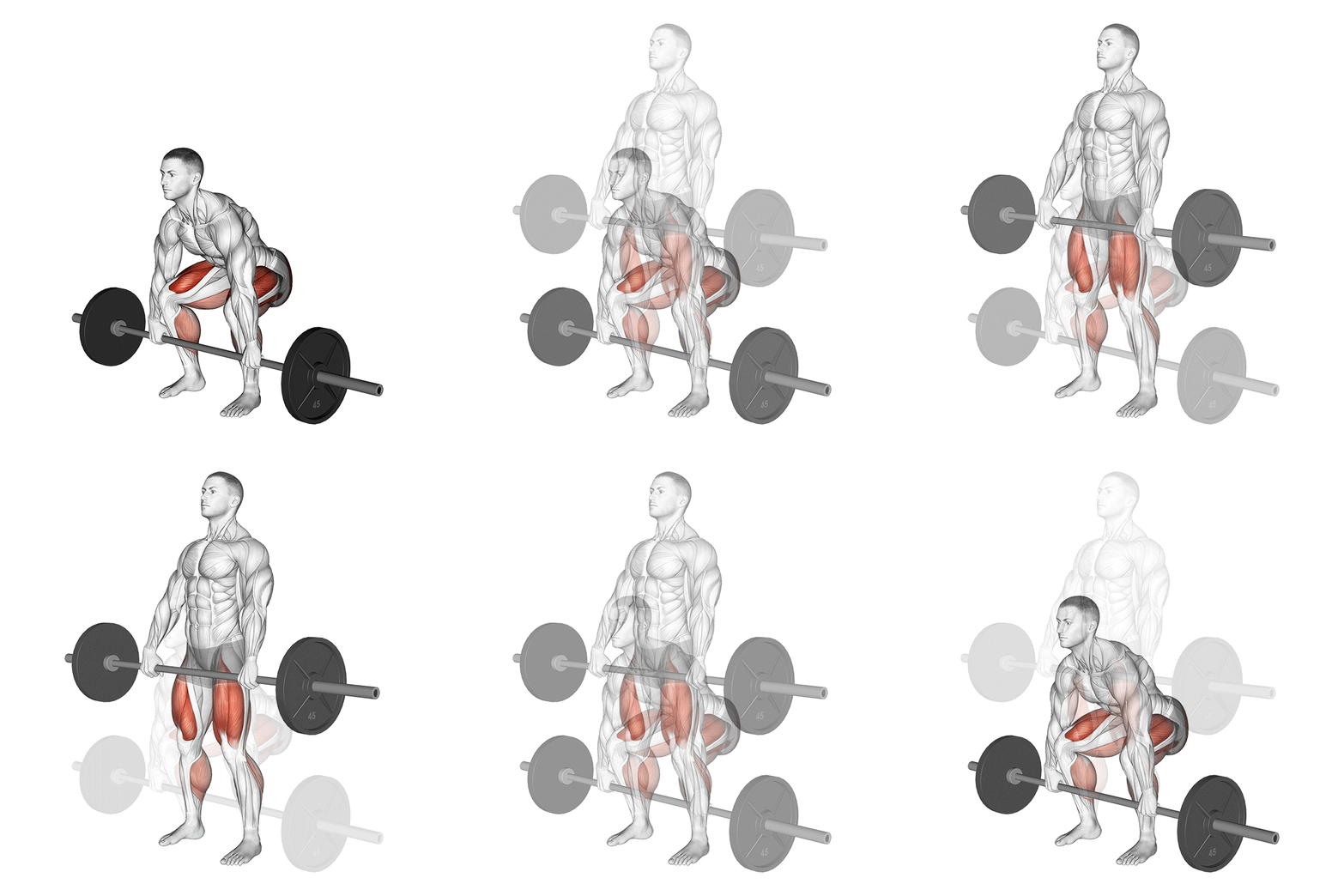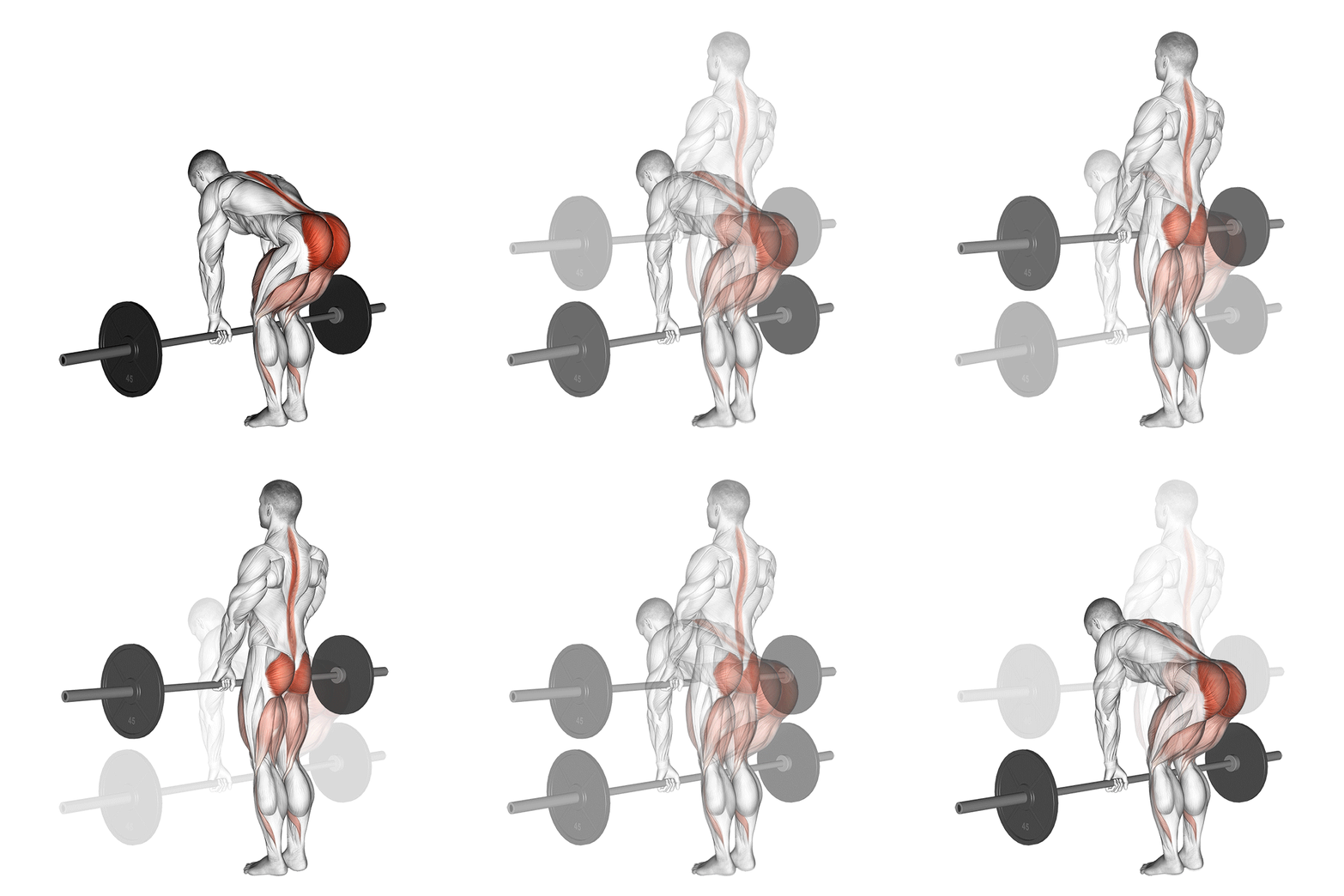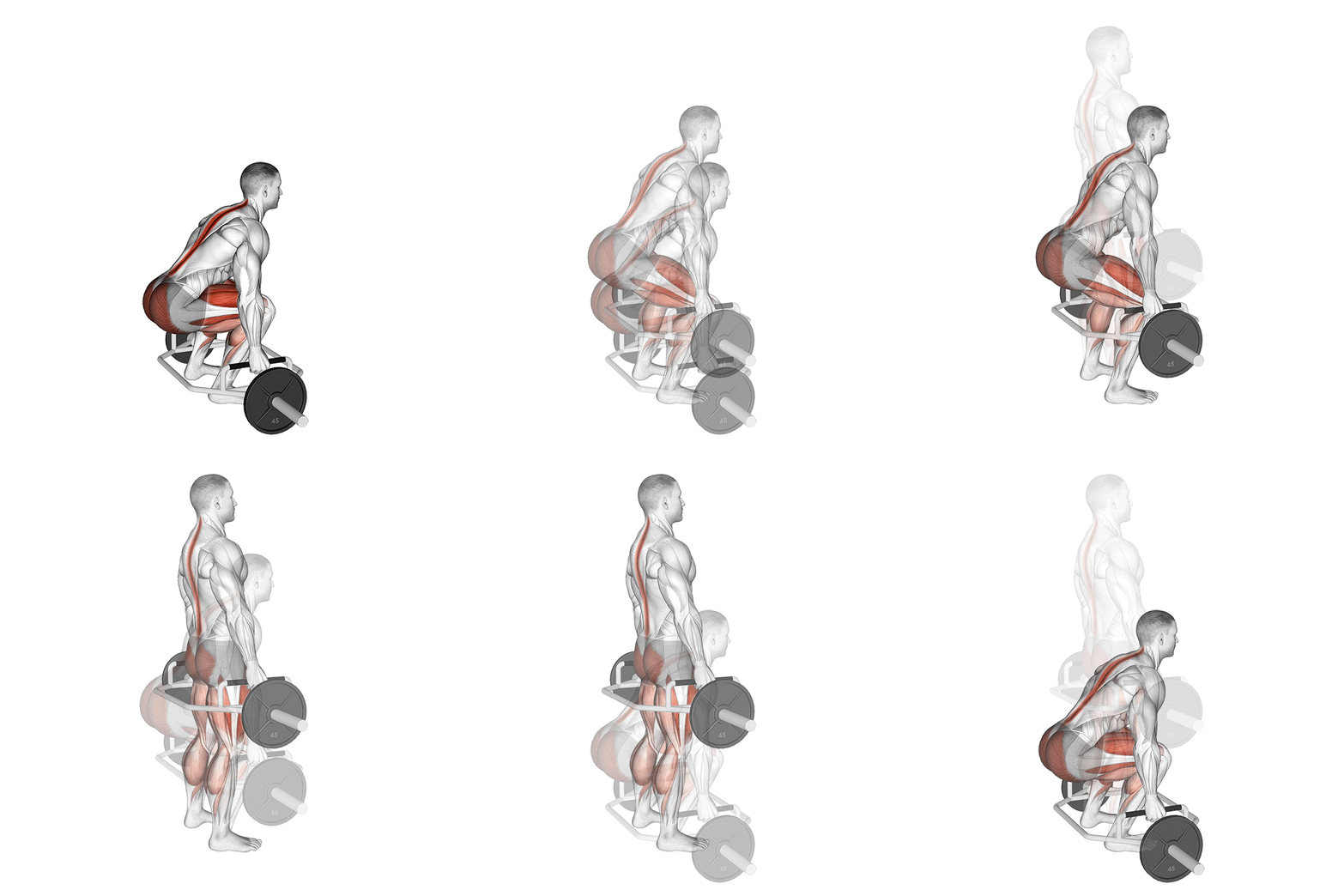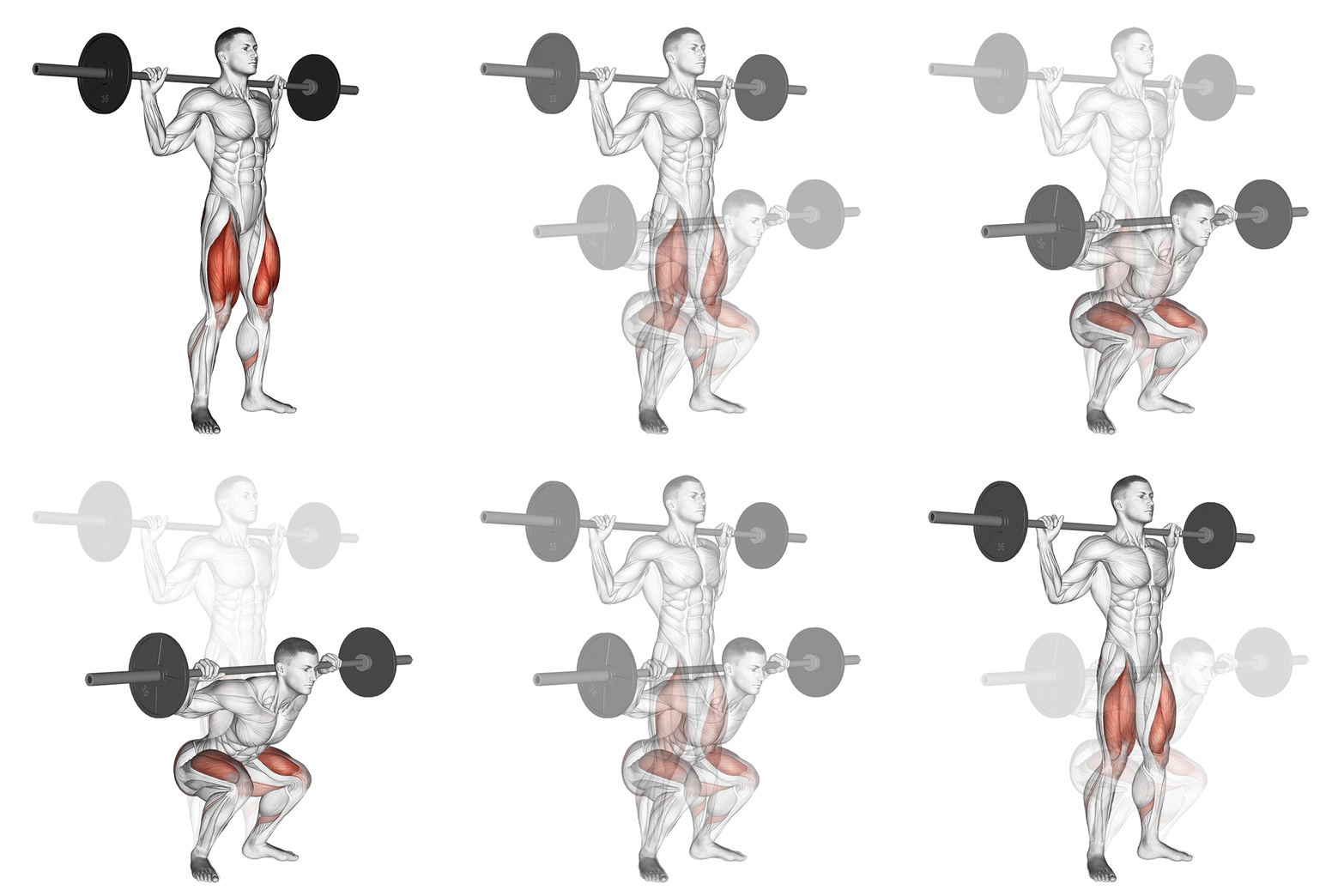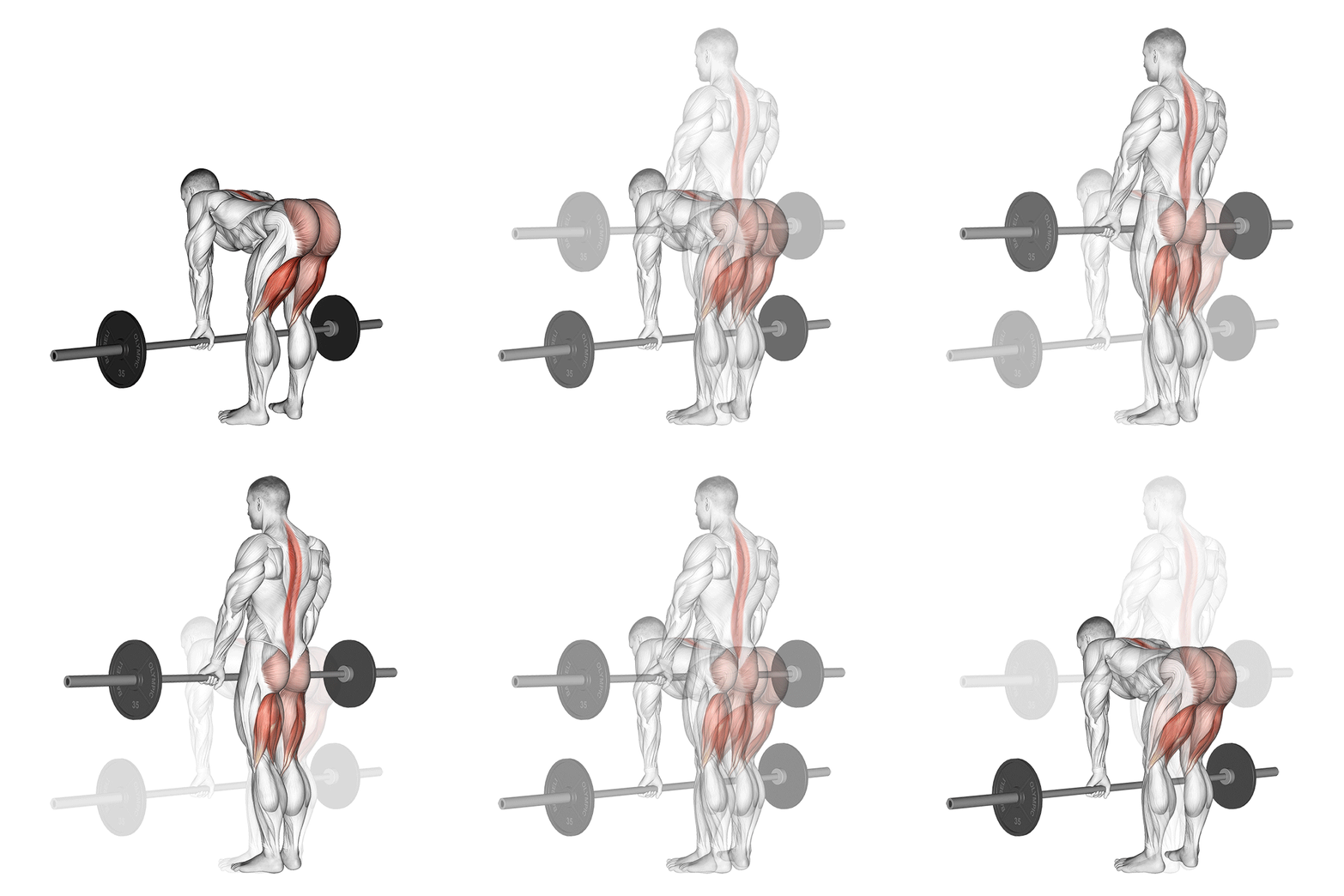
What is the barbell deadlift?
The barbell deadlift is the conventional version of the deadlift: a loaded barbell on the floor, feet hip-width, hands just outside the knees. You hinge, brace, and stand up with the bar tracing a straight vertical path. It trains the entire posterior chain (hamstrings, glutes, spinal erectors), the grip, the lats and the core, all at once. It moves the most weight of any lift and exposes any structural weakness instantly. See the canonical "deadlift" guide for general programming notes.
How to do the barbell deadlift
- 1
Set feet under the bar
Stand with feet hip-width, mid-foot directly under the bar. Toes pointed slightly out.
- 2
Grip and set the back
Hinge down, grab the bar just outside the knees. Drop the hips until shins touch the bar, chest up, neutral spine.
- 3
Pull the slack out
Big breath into the belly, tighten the lats by pulling the bar toward you. Hear the metal click on the plates before lifting.
- 4
Push the floor, finish tall
Push the floor away with the legs first, then drive the hips forward to lock out. Stand tall, don't lean back.
Pro tip
The bar must travel in a perfect vertical line over the middle of your foot. If it loops away from your body, you'll lose the lift or your lower back.
Common mistakes
Rounded lower back.
Lumbar flexion under heavy load is how lifters tear discs. Brace hard, hips lower at start, set the back before lifting.
Hips shoot up first.
If the hips rise before the bar, the back takes the load. Push the floor with the legs, keep chest and hips moving together.
Hyperextending at lockout.
Leaning back at the top stresses the lumbar discs unnecessarily. Finish tall with glutes squeezed, no exaggerated lean.
Bouncing reps.
Touch-and-go reps off the floor masks weakness off the floor and wears out the lower back. Reset every rep.
Variations and progressions
Easier
Trap-bar deadlift
A hex bar lets you stand inside the load, easier to learn and friendlier on the lower back.
Harder
Deficit deadlift
Stand on a 5 cm plate. Longer range of motion off the floor, brutal for hamstrings and starting strength.
No barbell?
Romanian deadlift with dumbbells
RDLs with heavy dumbbells hit the same posterior chain without the floor pull.
How to program it
Three protocols by goal. Pick one per cycle and aim for progression on load or distance.
| Goal | Sets × distance | Load | Rest |
|---|---|---|---|
| Strength | 5 × 3 | 85-90% 1RM | 3-4 min |
| Hypertrophy | 4 × 6-8 | 70-78% 1RM | 2-3 min |
| Peaking | Work up to 1RM single | 90-100% 1RM | 5 min |
Barbell Deadlift FAQ
Conventional or sumo deadlift?
Conventional uses a hip-width stance and longer range of motion, targeting the hamstrings and spinal erectors more. Sumo uses a wide stance and shorter range, with more quad and adductor demand. Try both for 6-8 weeks, then pick the one where you're stronger and feel more stable.
How often should I deadlift?
Once or twice a week is the sweet spot for most intermediate lifters. One heavy day at 3-5 reps and one moderate day with a variation like RDLs or trap-bar work cover strength and hypertrophy without burning out the central nervous system.
Should I use a belt?
Train the first 70-80 percent of your warm-ups beltless to build raw core strength, then add the belt for your top working sets above 80 percent of 1RM. The belt is a tool for intra-abdominal pressure, not a back brace, and it doesn't replace bracing technique.