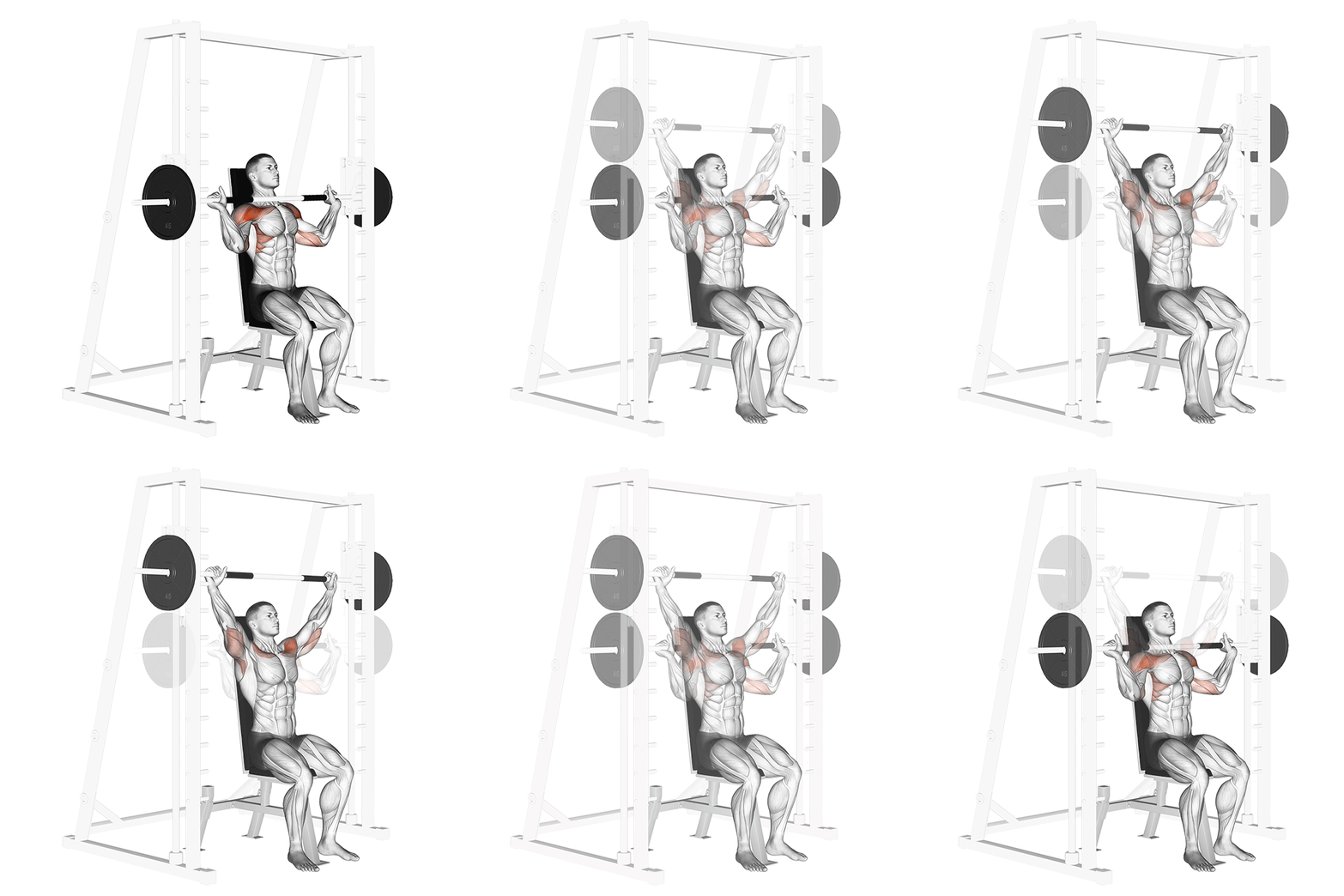
What is the smith machine shoulder press?
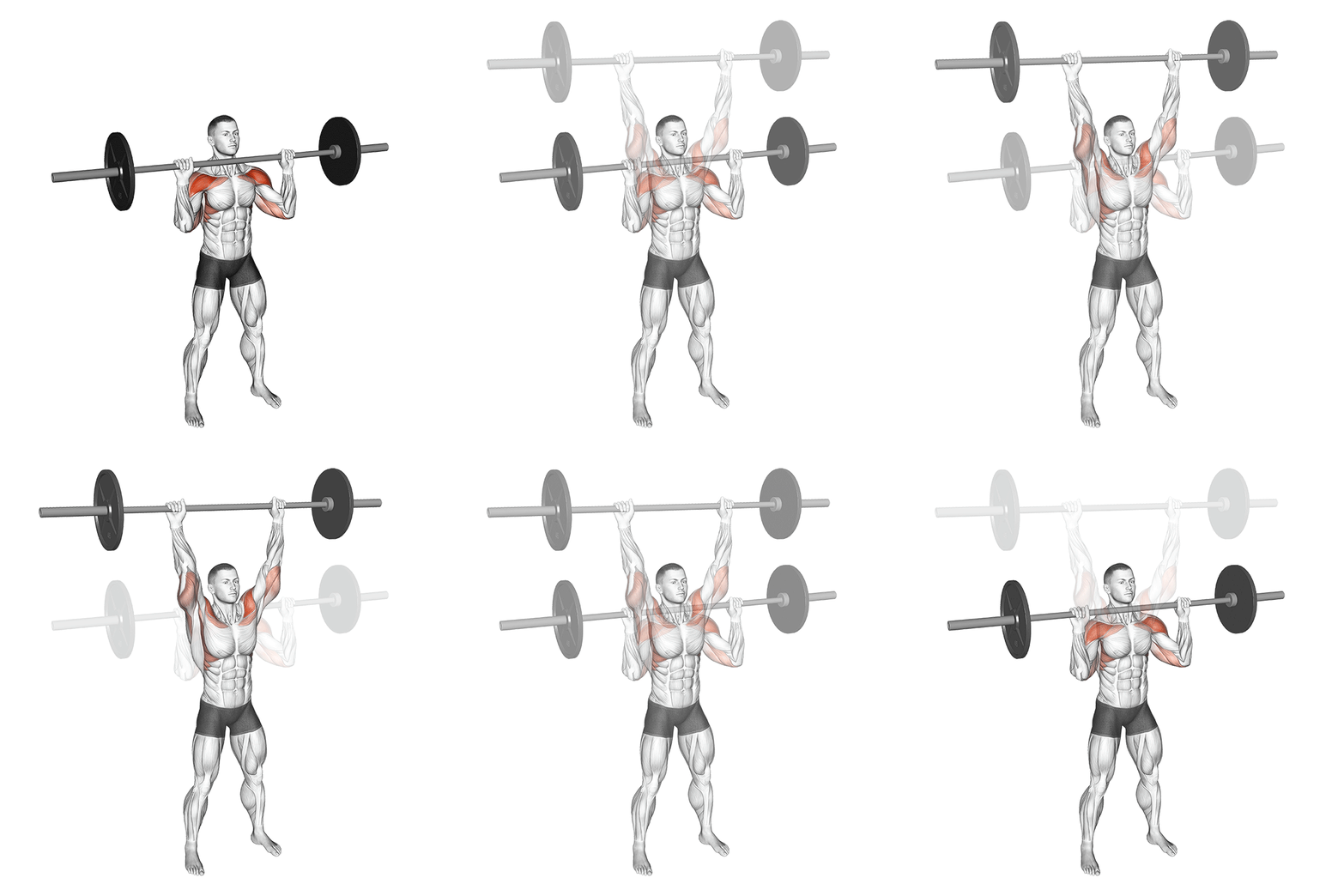
The Smith machine shoulder press is a vertical press performed under a barbell locked into a fixed vertical track. You sit or stand under the bar, unrack it at chin height, then press to lockout overhead. The fixed path removes the stabilisation cost of a free barbell, which means more direct load on the deltoids and triceps and less on the postural muscles. It's a great option for beginners learning the pressing pattern, for advanced lifters pushing through plateaus with strict isolation, and for anyone managing shoulder issues that flare up on free-weight overhead work.
How to do the smith machine shoulder press
- 1
Set the bench and bar
Set an upright bench at 80-85° (not fully vertical, slight angle protects the shoulders). Position the bench so the bar aligns just over your collarbone.
- 2
Grip and unrack
Hands just outside shoulder-width, full grip with thumbs wrapped. Rotate the bar to unrack, brace your core hard.
- 3
Lower to chin
Lower under control to chin or upper-chest level, elbows roughly under the wrists. Don't dive bomb the descent.
- 4
Press to lockout
Drive the bar straight up to full lockout, shrug slightly at the top to engage the upper traps. Lower, reset, repeat.
Pro tip
Don't fully recline the seat. A vertical bench feels like it isolates more, but it actually pinches the shoulder joint under load. 80-85° is the protected sweet spot.
Common mistakes
Bench fully vertical.
Pure 90° forces the bar past the shoulder safe zone. Drop to 80-85° and your joints will thank you.
Half range.
Stopping at the forehead skips the hardest portion. Lower to chin or upper-chest level.
Wrists collapsed back.
Bent wrists leak force and risk injury. Stack wrist over elbow, knuckles up.
Not bracing.
Smith feels easy so people skip the brace and arch the lower back. Brace like every other press.
Variations and progressions
Easier
Seated Smith press, light
Keep the bench at 80°, light load, focus on full range and tempo. Best for shoulder rehab phases.
Harder
Standing Smith press
Switch to standing for more core demand and slightly more athletic carry-over.
Free weight
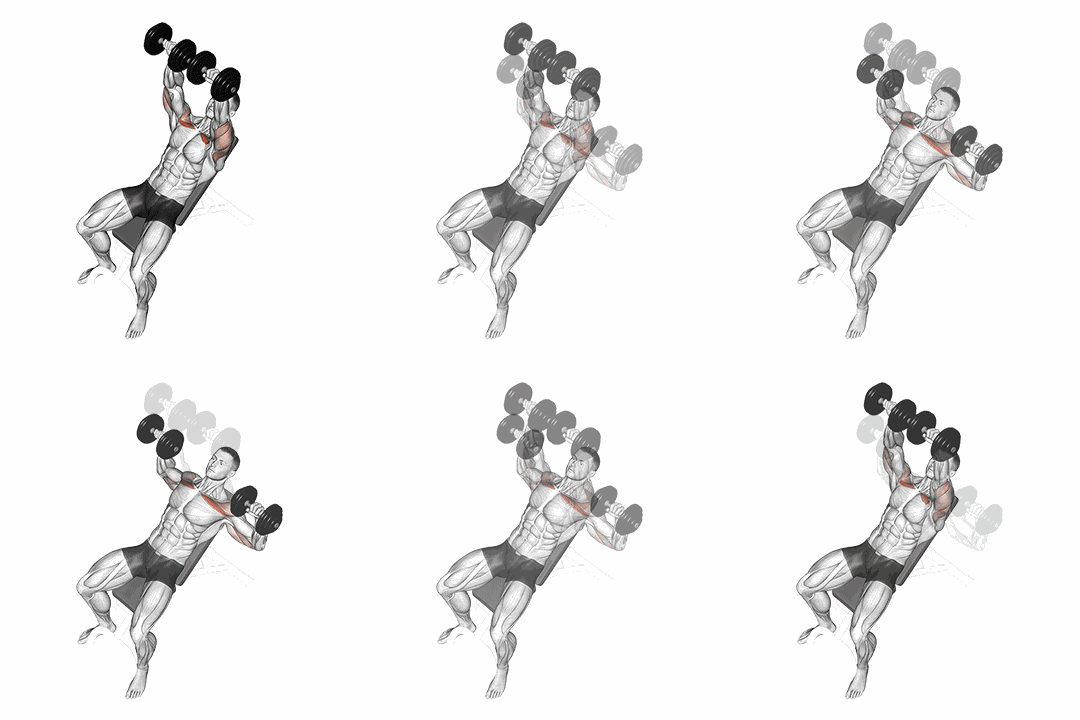
Dumbbell shoulder press
Dumbbells unlock the bar path, fix imbalances, and demand stabilisation that builds real shoulders.
How to program it
Three protocols by goal. Pick one per cycle and aim for progression on load or distance.
| Goal | Sets × distance | Load | Rest |
|---|---|---|---|
| Hypertrophy | 4 × 8-12 | 70-75% est. 1RM | 90 s |
| Strength | 5 × 5 | 80% 1RM | 2-3 min |
| Volume + finish | 3 × 12 + 1 × max | 60-65% 1RM | 60-75 s |
Smith Machine Shoulder Press FAQ
Is the Smith machine bad for shoulders?
Only if you set it up wrong. A vertical bench plus a fixed bar path can pinch the shoulder if the bar doesn't line up over your clavicle. Tilt the bench slightly back, set the bar to land just above the collarbone, and the lift becomes joint-friendly. Used well, it's one of the safest pressing options for people coming back from shoulder injuries.
Will it build the same shoulders as the barbell press?
Close, but not identical. The Smith builds the deltoids and triceps comparably to free weights for hypertrophy, but free-weight pressing also develops the stabilisers and full-body bracing that carry over to other lifts. Use Smith for direct shoulder work, keep at least one free-weight press in the program for athletic transfer.
Seated or standing?
Seated lets you focus on the deltoids without core fatigue, ideal for hypertrophy. Standing demands core bracing and slightly more athletic carry-over but limits the loads you can use. For most lifters, seated is the default Smith variant; reserve standing for variety or accessory work.