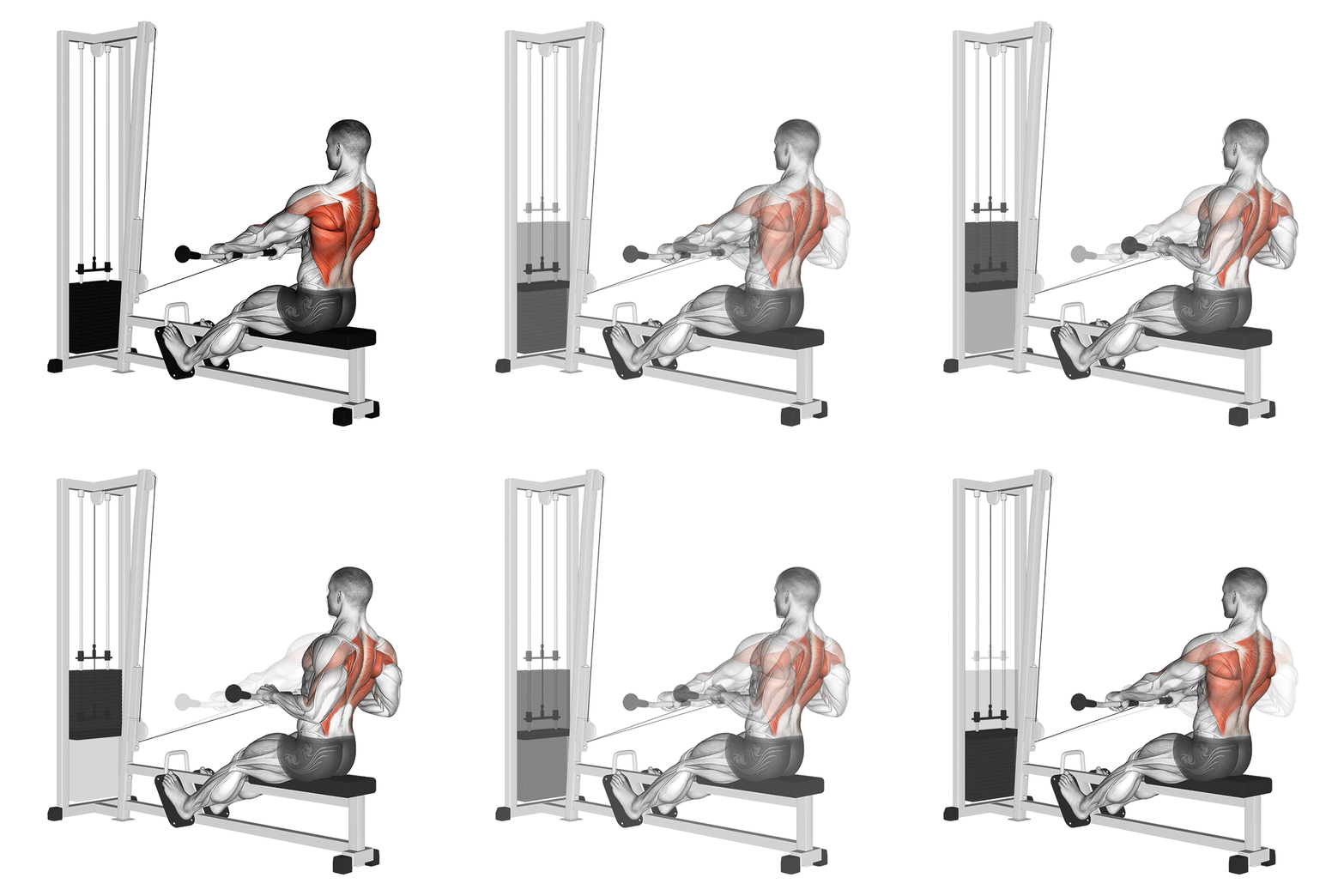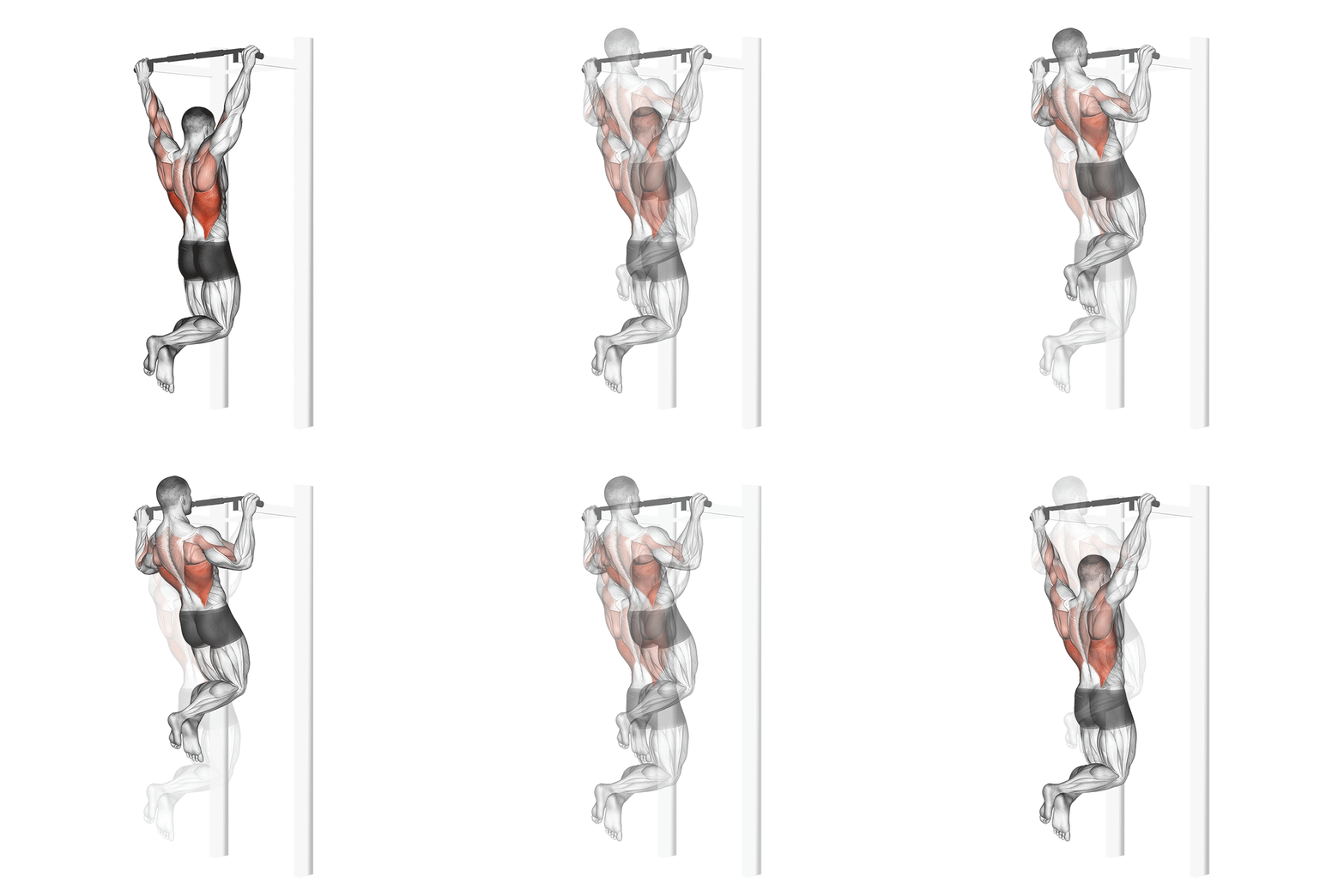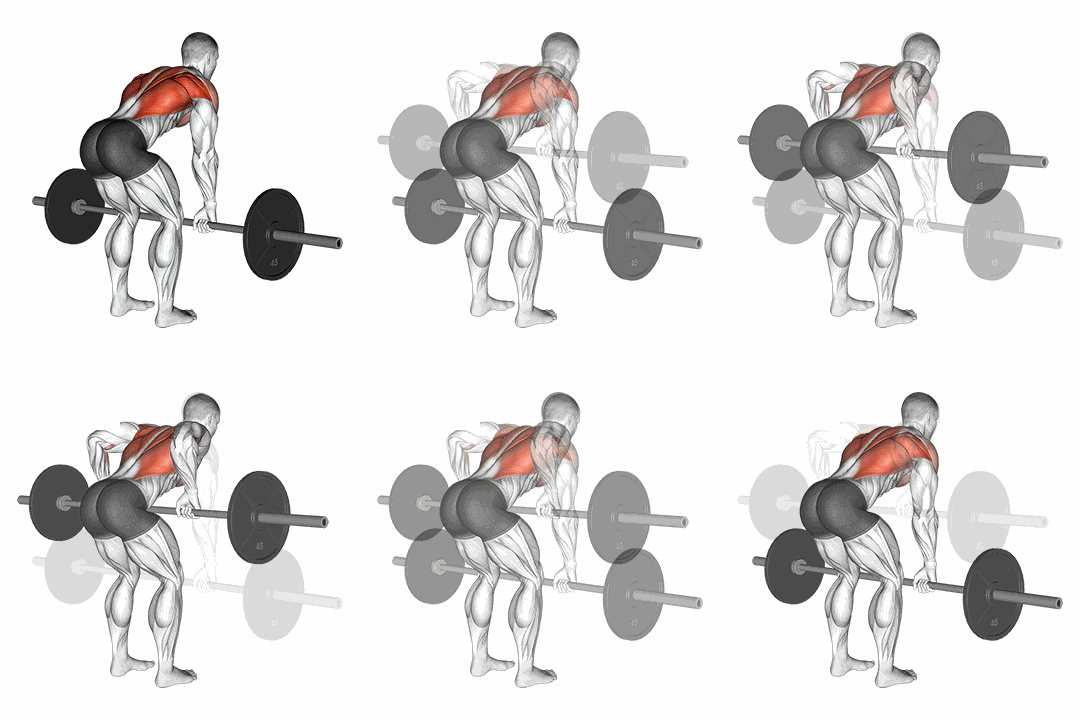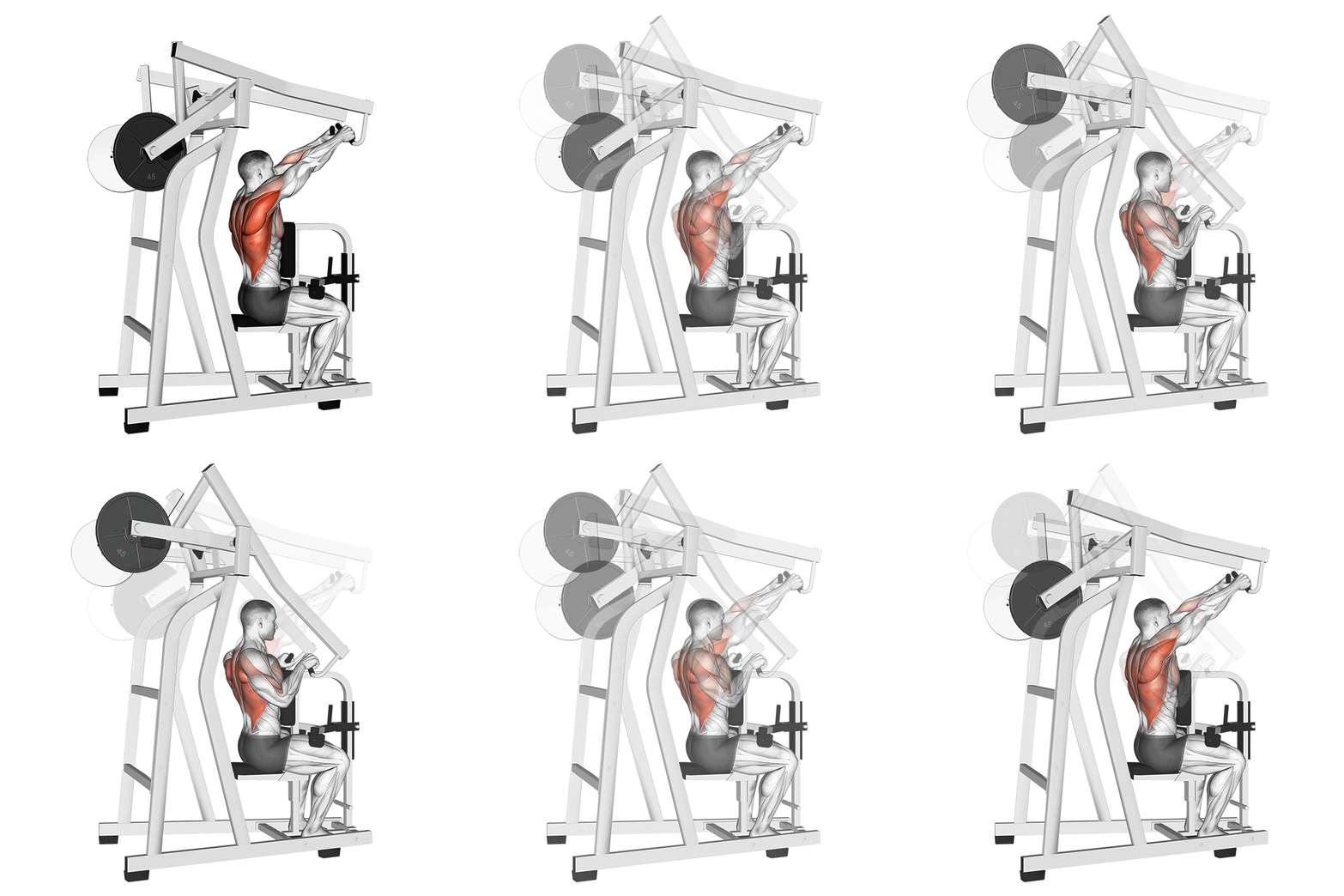
What is the lever high row?
The lever high row is a plate-loaded machine exercise found in most Hammer Strength sections. You sit facing the unit with a chest pad supporting the torso, grab two independent handles above shoulder height, and pull them down and slightly back, hitting the lats much like a pulldown. Because each arm has its own lever arm, you can train unilaterally or fix imbalances. The chest pad removes the lower back from the equation, which makes the machine an excellent choice for beginners, deload weeks, or finishing the back with heavy loads after compound work.
How to do the lever high row
- 1
Set the seat
Adjust the seat so the handles sit slightly above your shoulders when you're upright against the chest pad.
- 2
Brace against the pad
Chest firm against the pad, ribs down, core tight. Feet planted on the floor or footplate.
- 3
Pull elbows down and back
Lead with the elbows. Drive them down toward the hips and slightly behind the torso. Hands stay neutral, not curled.
- 4
Squeeze and control return
Pause one count at the bottom with the lats fully short. Return over two seconds, do not let the weight crash.
Pro tip
Think of the handle as something you push down, not pull. Lifters who fight the handle with their biceps build big arms; lifters who drive the elbows down build a wide back.
Common mistakes
Leaning back to cheat.
Pulling the torso away from the pad turns the high row into a half-rep row. Stay glued to the pad.
Biceps-dominated reps.
Curling at the elbows pulls the work off the lats. Lead with the elbow, hands are hooks.
Letting the weight crash.
A fast eccentric wastes half the stimulus. Two seconds back to the start.
Shoulders rolling forward.
If the shoulders cave at the top, the chest collapses and the lats can't engage. Keep the chest tall.
Variations and progressions
Easier
Single-arm lever high row
One arm at a time lets you focus on form and address side-to-side imbalances.
Harder
Tempo lever high row
Three seconds eccentric, one second pause at the bottom. The pump and stimulus jump significantly.
No machine?
Wide-grip lat pulldown
A standard cable pulldown covers the same lat-focused pattern when no plate-loaded unit is available.
How to program it
Three protocols by goal. Pick one per cycle and aim for progression on load or distance.
| Goal | Sets × distance | Load | Rest |
|---|---|---|---|
| Hypertrophy | 4 × 10-12 | RPE 8 | 90 s |
| Strength | 5 × 6 | Heavy, strict | 2 min |
| Beginner / deload | 3 × 12-15 | Light to moderate | 60 s |
Lever High Row FAQ
How is it different from a lat pulldown?
The chest pad supports the torso and removes the temptation to lean back, which is the most common form leak in a pulldown. The independent handles let you work each side separately, useful for imbalances. The stimulus on the lats is very similar, the high row just enforces cleaner mechanics.
Is it good for beginners?
Yes, it's one of the safest back exercises in the gym. The fixed path and chest pad almost guarantee good form, and the load can stay modest while strength catches up. Use it as a primary pull for the first few months of training, then progress to pull-ups and barbell rows once movement quality is solid.
Where do I fit it in my week?
Second pull movement after pull-ups or barbell rows works best. The machine lets you push the lats hard without burning the lower back, which is already taxed by compounds. One or two sets to near failure at the end of pull day is a smart use of the unit.