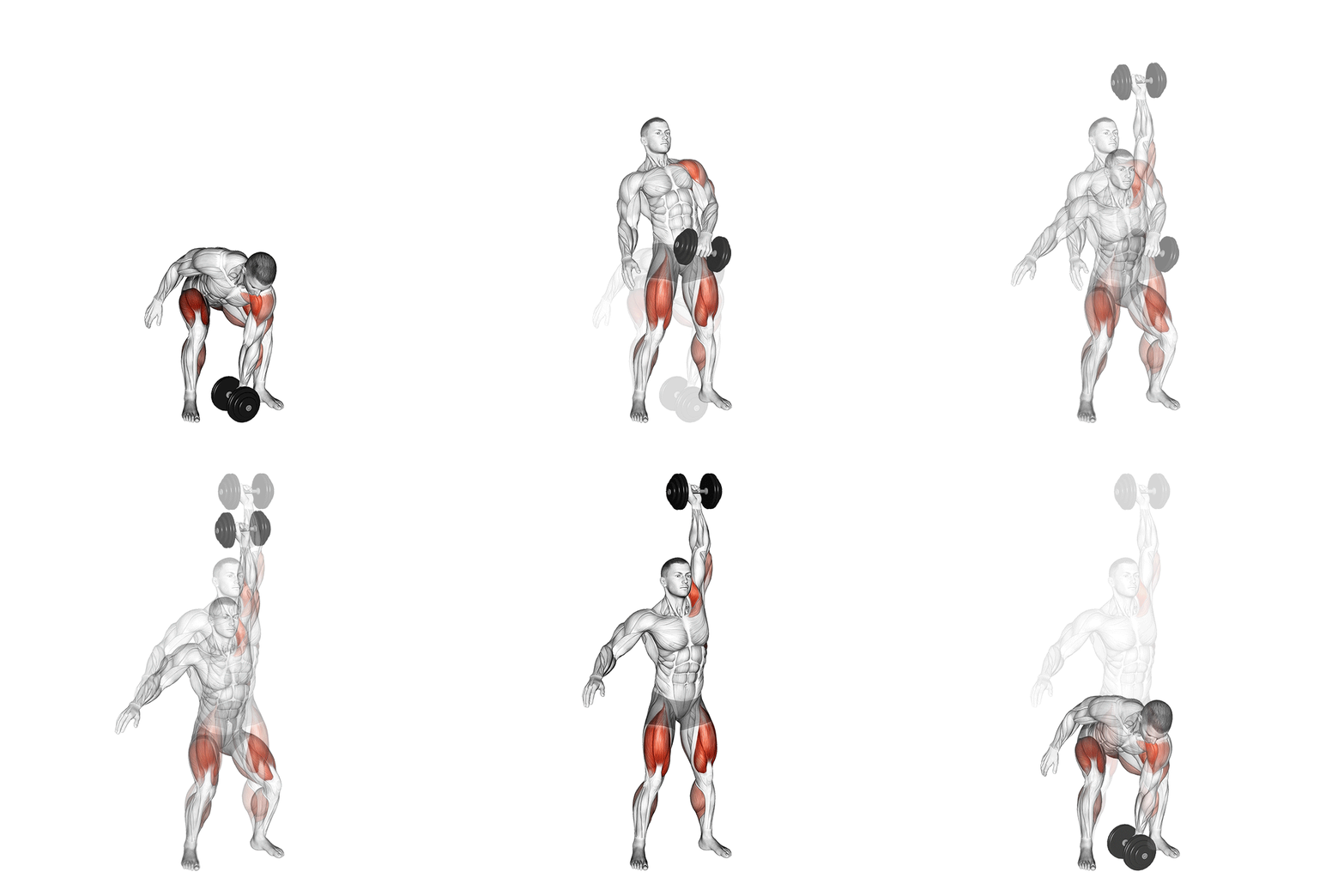
What is the dumbbell snatch?
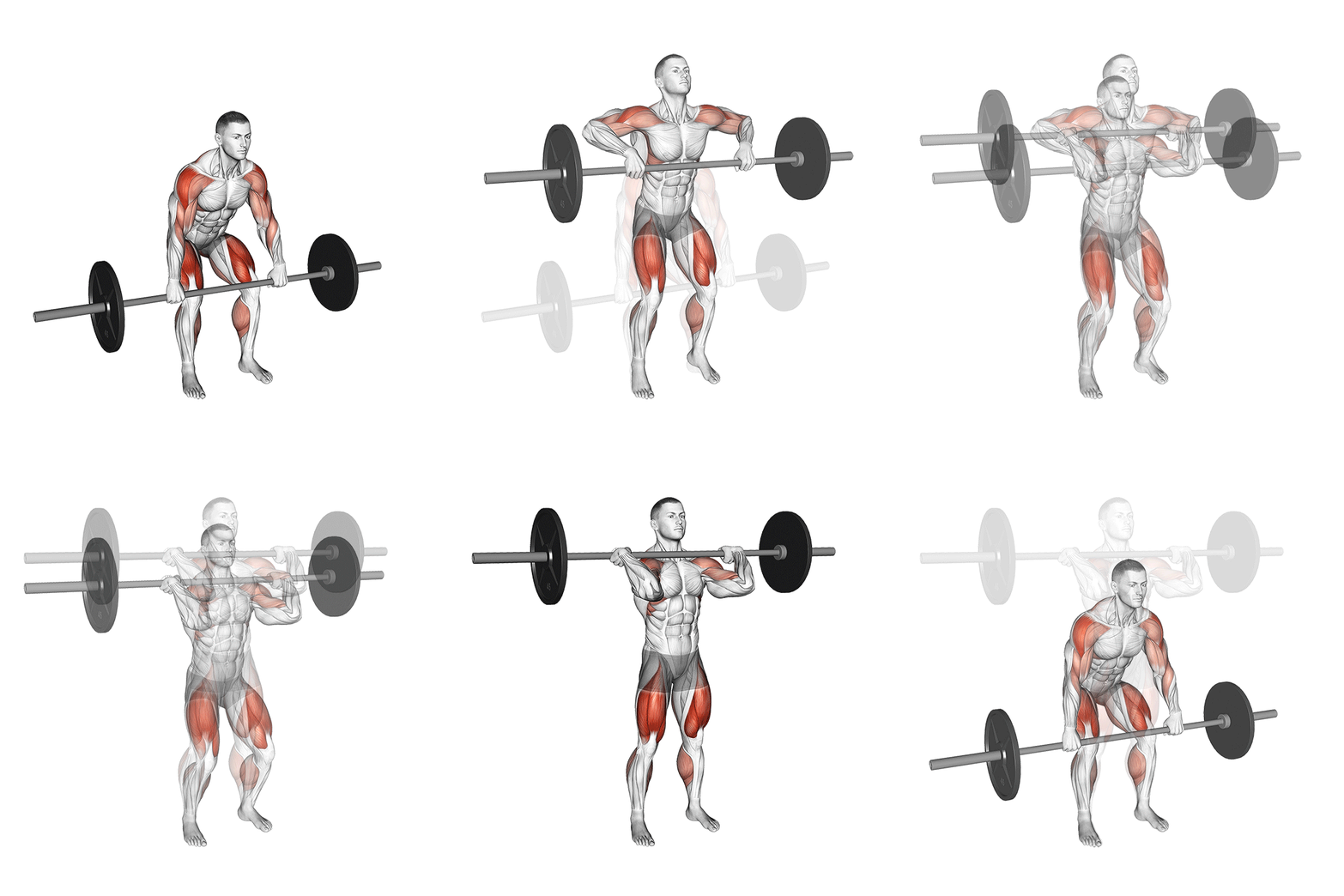
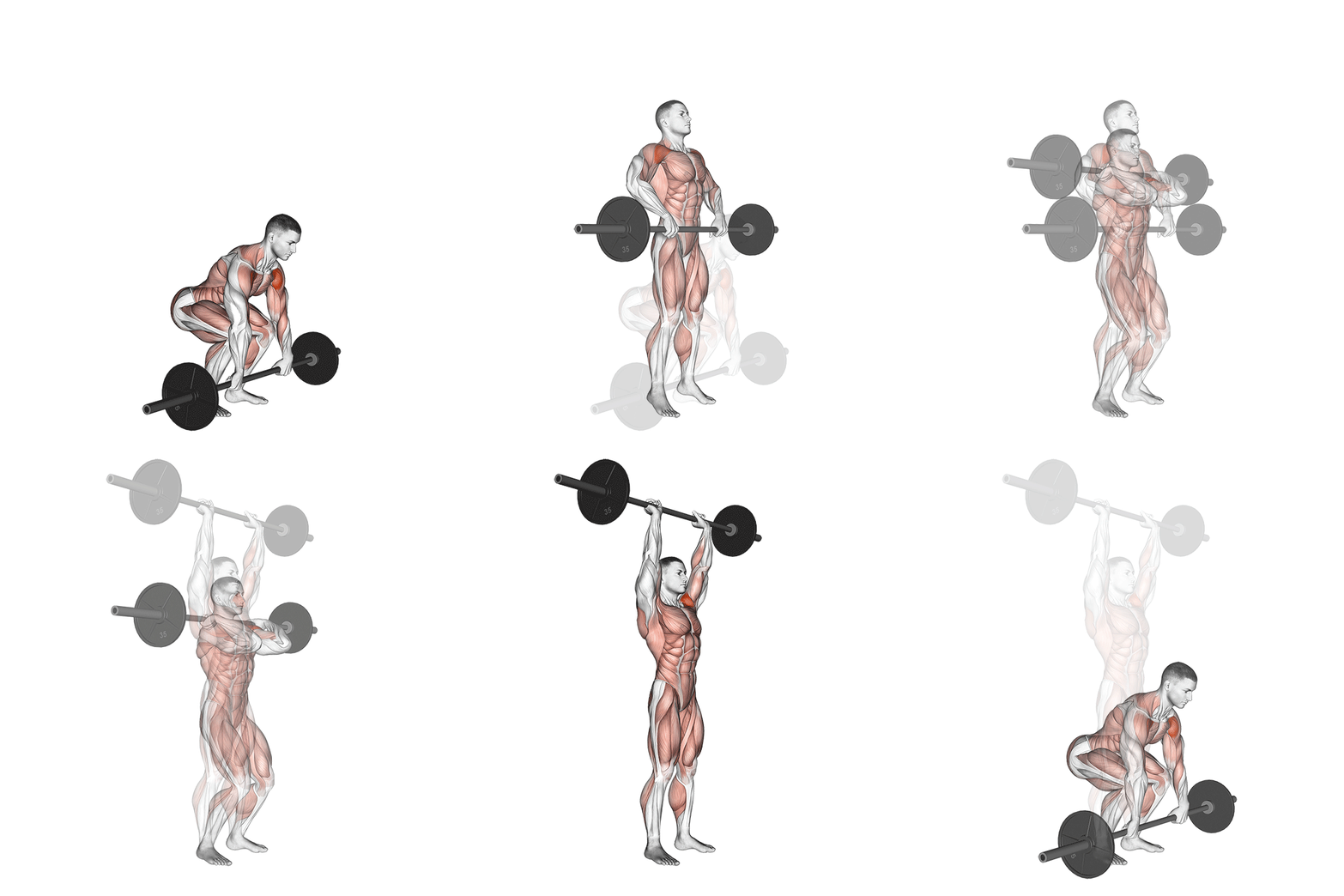
The dumbbell snatch is a single-arm Olympic-style lift where you drive one dumbbell from the floor to overhead in one continuous motion. It trains triple extension at ankles, knees and hips, hammers the posterior chain and traps, and demands shoulder stability at lockout. It's a staple in CrossFit, GORUCK and tactical conditioning, and a smart entry point into Olympic lifting because the unilateral load is easier on the wrists and lower back than a barbell snatch.
How to do the dumbbell snatch
- 1
Set up over the dumbbell
Stand with feet hip-width, the dumbbell on the floor between your feet. Hinge down with a flat back, free arm out for balance, grip the handle with a neutral hand.
- 2
Explode through the legs
Drive the floor away with your legs, extend hips violently, and let the dumbbell travel close to your body. The pull comes from the legs and hips, not the arm.
- 3
High pull and turnover
As the dumbbell rises past your hip, shrug and pull the elbow high, then punch the hand up and rotate the wrist so the bell finishes overhead.
- 4
Lock out overhead
Finish with the dumbbell stacked over the shoulder, arm fully locked, biceps near the ear, ribs down. Lower under control to the hang or back to the floor.
Pro tip
Think jump, then catch. If you're muscling the dumbbell with your arm, the load is too heavy or your hip extension is too weak. Drop weight and re-learn the pop.
Common mistakes
Pulling with the arm.
The arm is a rope, not a winch. Drive with legs and hips, the arm only guides the bell up.
Banging the wrist at lockout.
If the bell crashes onto your forearm, your turnover is late. Punch up earlier as the dumbbell passes the chest.
Rounded lower back.
Flat back at the start position. A rounded spine under explosive load is how lifters herniate discs.
Soft overhead lockout.
Bent elbow or arm drifting forward = no rep and a shoulder injury waiting to happen. Lock straight, biceps to ear.
Variations and progressions
Easier
Hang dumbbell snatch
Start from the hang at the hip instead of the floor. Shorter pull, cleaner technique, easier on the lower back.
Harder
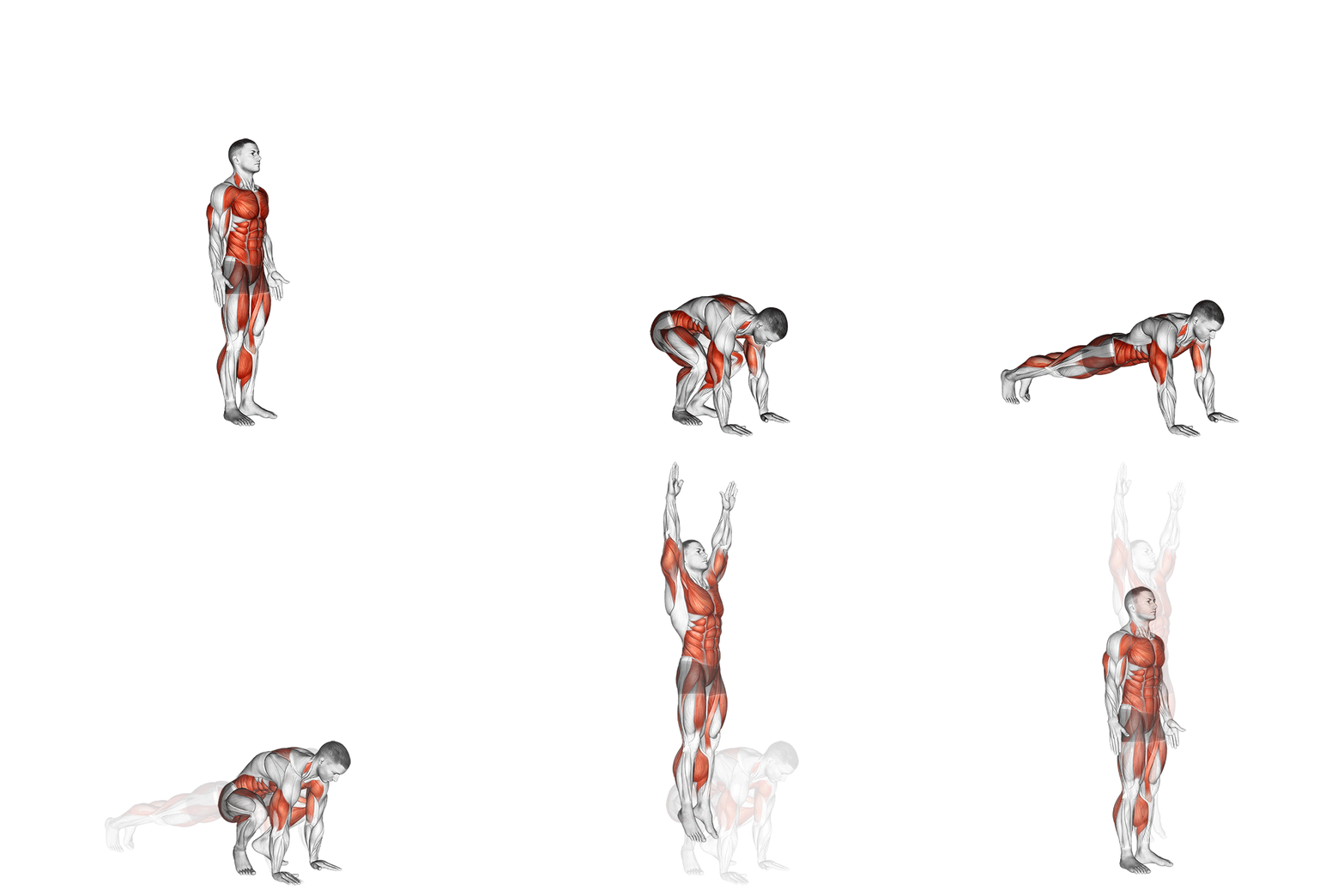
Devil press
Two dumbbells, burpee to double snatch overhead. Pure conditioning hell, builds power-endurance.
No dumbbell?
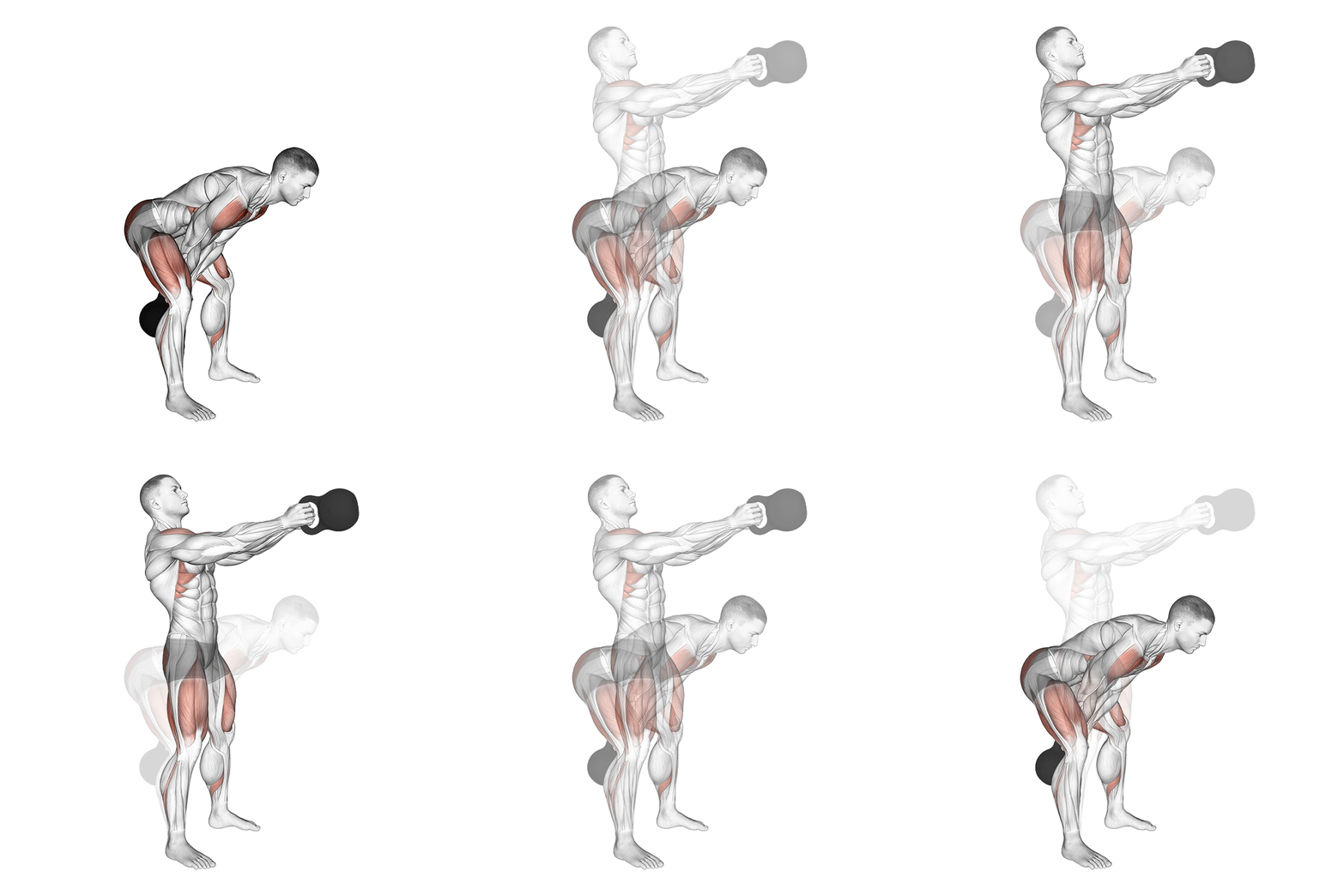
Kettlebell snatch
Same pattern with a kettlebell. The bell rotates around the wrist, slightly different turnover, but identical hip drive.
How to program it
Three protocols by goal. Pick one per cycle and aim for progression on load or distance.
| Goal | Sets × distance | Load | Rest |
|---|---|---|---|
| Power | 5 × 3 / arm | Moderate-heavy | 90 s |
| Conditioning | EMOM 10 min × 5 reps / arm | 22.5 kg M / 15 kg F | Within minute |
| Power-endurance | 5 rounds × 10 reps alt. | Moderate | 60-90 s |
Dumbbell Snatch FAQ
Is the dumbbell snatch safer than a barbell snatch?
Yes for most lifters. The unilateral load forgives wrist mobility, the bail-out is easier, and you can learn the hip drive without the bar overhead. It won't replace a barbell snatch for an Olympic lifter, but for general strength and conditioning it's the smarter choice.
Should the dumbbell touch the floor between reps?
Depends on the standard. CrossFit and Hyrox-style workouts usually require a floor touch. For pure power work, drop to the hang at the hip for cleaner technique. Pick one standard per session and stick to it.
How heavy should I go?
For technique and conditioning, 20-25 kg for men and 12.5-15 kg for women covers most needs. Heavier than that and form starts to break in the high pull. Mastery over load: a clean snatch at 22.5 kg beats a sloppy one at 30 kg every single time.