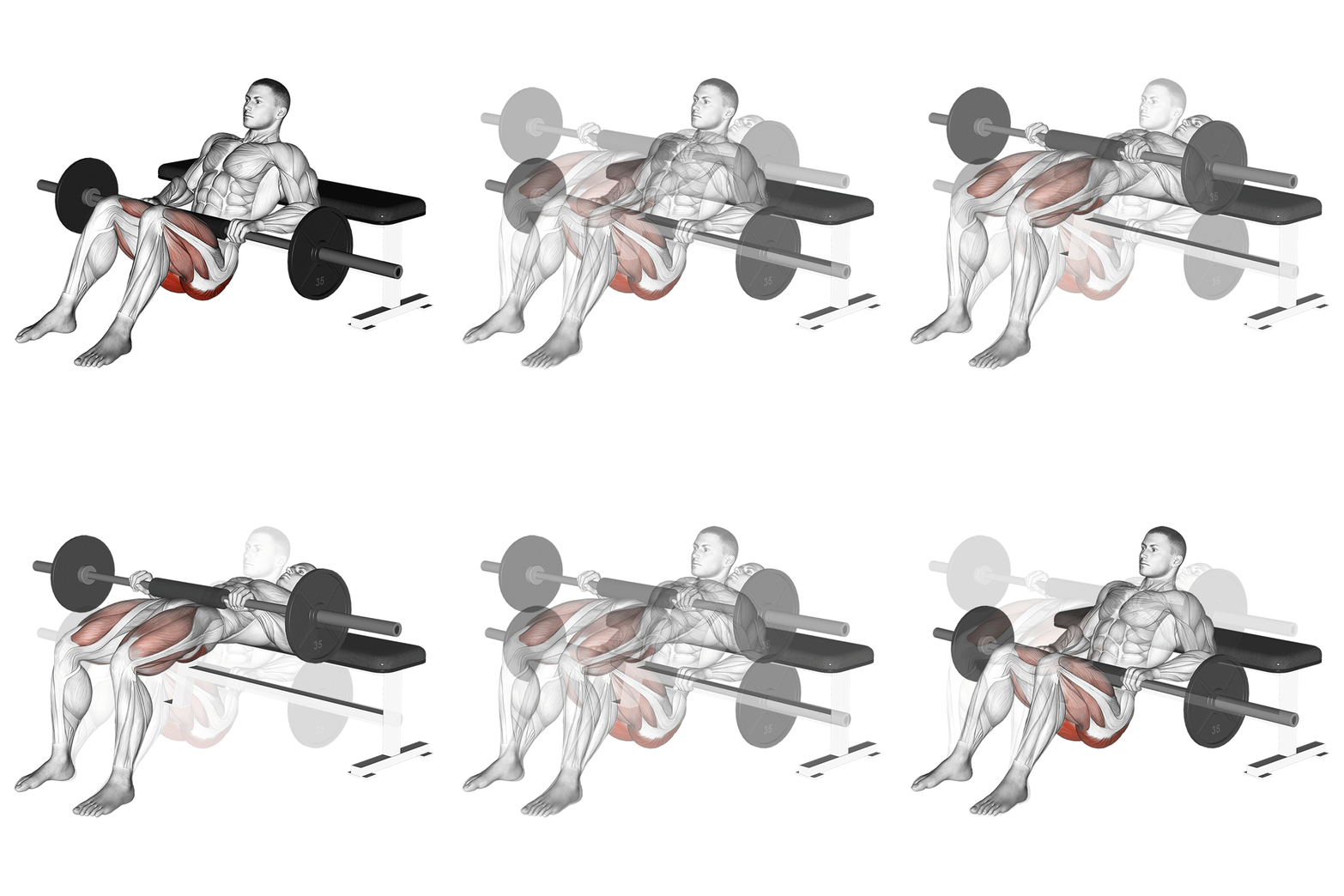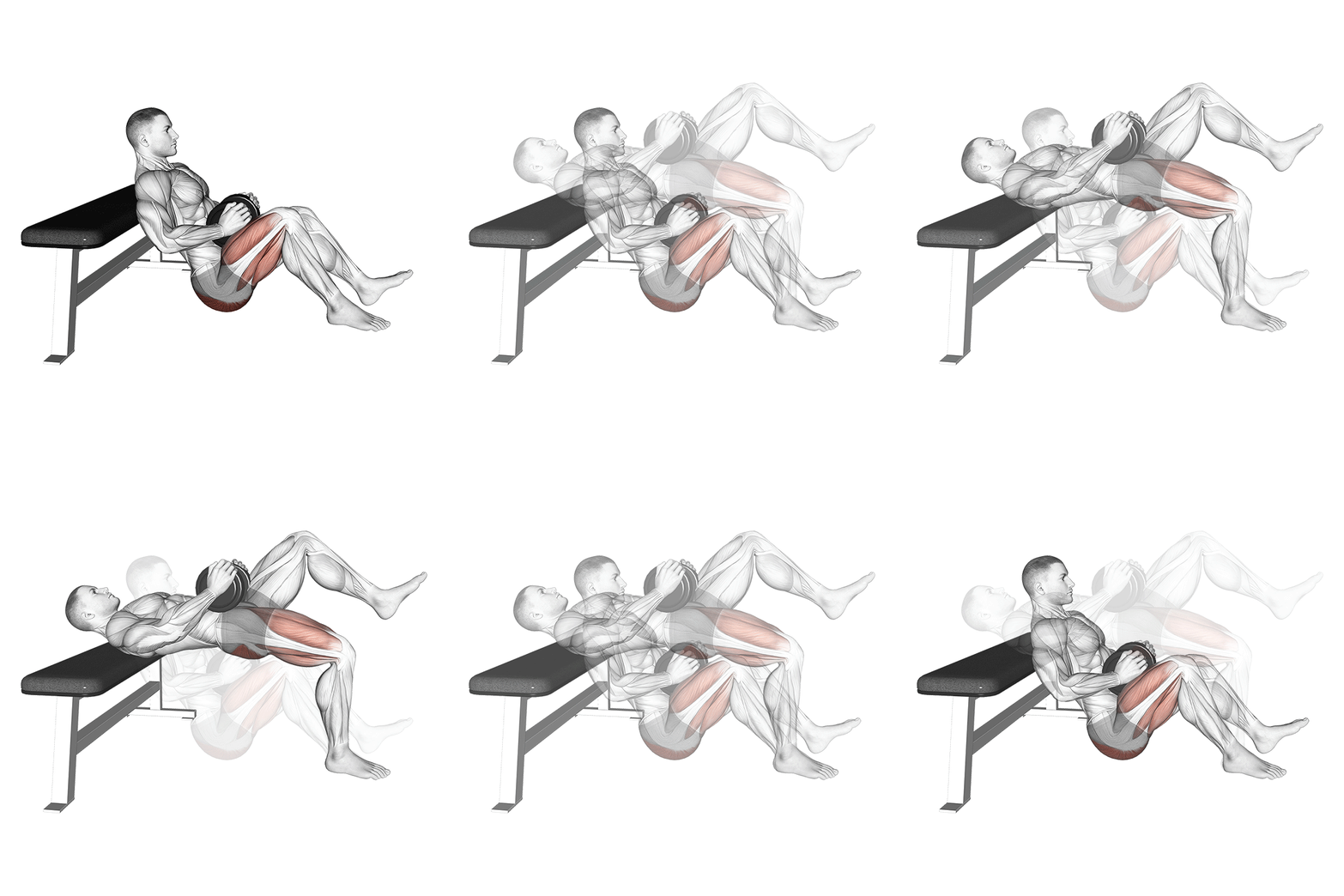
What is the dumbbell single-leg hip thrust?
The dumbbell single-leg hip thrust is a unilateral bridge variation performed with the upper back on a bench, one foot planted flat on the floor, the other leg extended in the air, and a dumbbell held across the working hip. You drive through the planted heel to lift the hips to full lockout, squeezing the working glute at the top. Single-leg loading doubles the per-side stimulus of a regular hip thrust and adds an anti-rotation core demand. One of the best lifts for fixing glute asymmetries and building hip extension power.
How to do the dumbbell single-leg hip thrust
- 1
Sit against the bench
Sit on the floor with the bottom of the shoulder blades on the bench edge. Bench should be 35 to 40 cm tall, well padded.
- 2
Plant the working foot, lift the other leg
Working foot flat on the floor, knee at 90 degrees when the hip locks out. Lift the non-working leg straight in front, low.
- 3
Set the dumbbell on the hip
Hold one dumbbell across the crease of the working hip with both hands. A folded towel or pad protects the hip bone.
- 4
Drive hips up, squeeze, lower
Press the working heel into the floor, drive hips to full extension, glute squeezed hard. Pause one beat, lower slow.
Pro tip
The biggest mistake is letting the hip dump to the non-working side. Cue level hips, like you're balancing a glass of water on the front of each hip. The anti-rotation work is half the value.
Common mistakes
Hips dumping to the side.
If the non-working hip drops below the working one, the core gave up. Level the hips at every rep.
Lumbar hyperextending.
If you lock out with the lower back arched instead of glutes squeezed, ribs are flaring. Tuck ribs down.
Foot too close to the hips.
If the shin past 90 degrees at lockout, the quads take over. Place the foot so the shin is vertical at the top.
Short range of motion.
Stopping below full extension robs the glute squeeze. Drive to a straight line shoulders-hips-knee at the top.
Variations and progressions
Easier
Bodyweight single-leg hip thrust
No dumbbell, hands across the chest. Drill the pattern and balance before loading.
Harder
Single-leg hip thrust with 3 s pause
Hold the locked-out position for three seconds each rep, squeezing the glute hard. Brutal hypertrophy stimulus.
No bench?
Single-leg glute bridge
Same lift on the floor, shorter range of motion. Still very effective, especially with a 3-second hold at the top.
How to program it
Three protocols by goal. Pick one per cycle and aim for progression on load or distance.
| Goal | Sets × distance | Load | Rest |
|---|---|---|---|
| Hypertrophy | 4 × 10 each leg | Moderate DB | 75 s |
| Asymmetry fix | 3 × 12 weak side first | Light DB | 60 s |
| Squeeze finisher | 2 × 15 + 3 s hold last rep | Light DB | 45 s |
Dumbbell Single-Leg Hip Thrust FAQ
Why single-leg instead of bilateral?
Single-leg hip thrusts expose and fix glute asymmetries that bilateral lifts hide. Most lifters dominate with one glute, and a bilateral hip thrust just lets the strong side compensate. Doing one leg at a time forces each glute to handle its share. They also add an anti-rotation core demand the bilateral version lacks, which transfers well to running and unilateral sport actions.
How heavy can I go on a single dumbbell?
Practically, a dumbbell is harder to balance on one hip than a barbell across both. Most lifters cap out at 35 to 50 kg per side before the dumbbell starts tipping. If you're stronger than that, move to a barbell hip thrust or use ankle weight straps with an extra dumbbell on the chest. For pure hypertrophy, a moderate dumbbell with a 3-second hold beats grinding a heavy single-rep max.
Where do I feel it if it's correct?
The working glute should be on fire from rep one, with the hamstring helping in the second half of the set. If the lower back or quads dominate, the setup is wrong. Common fixes: lower the bench (35 cm is a sweet spot), bring the working foot a touch further from the hips, and consciously tuck the ribs before driving up. A pre-rep glute squeeze at the bottom primes the right muscle.