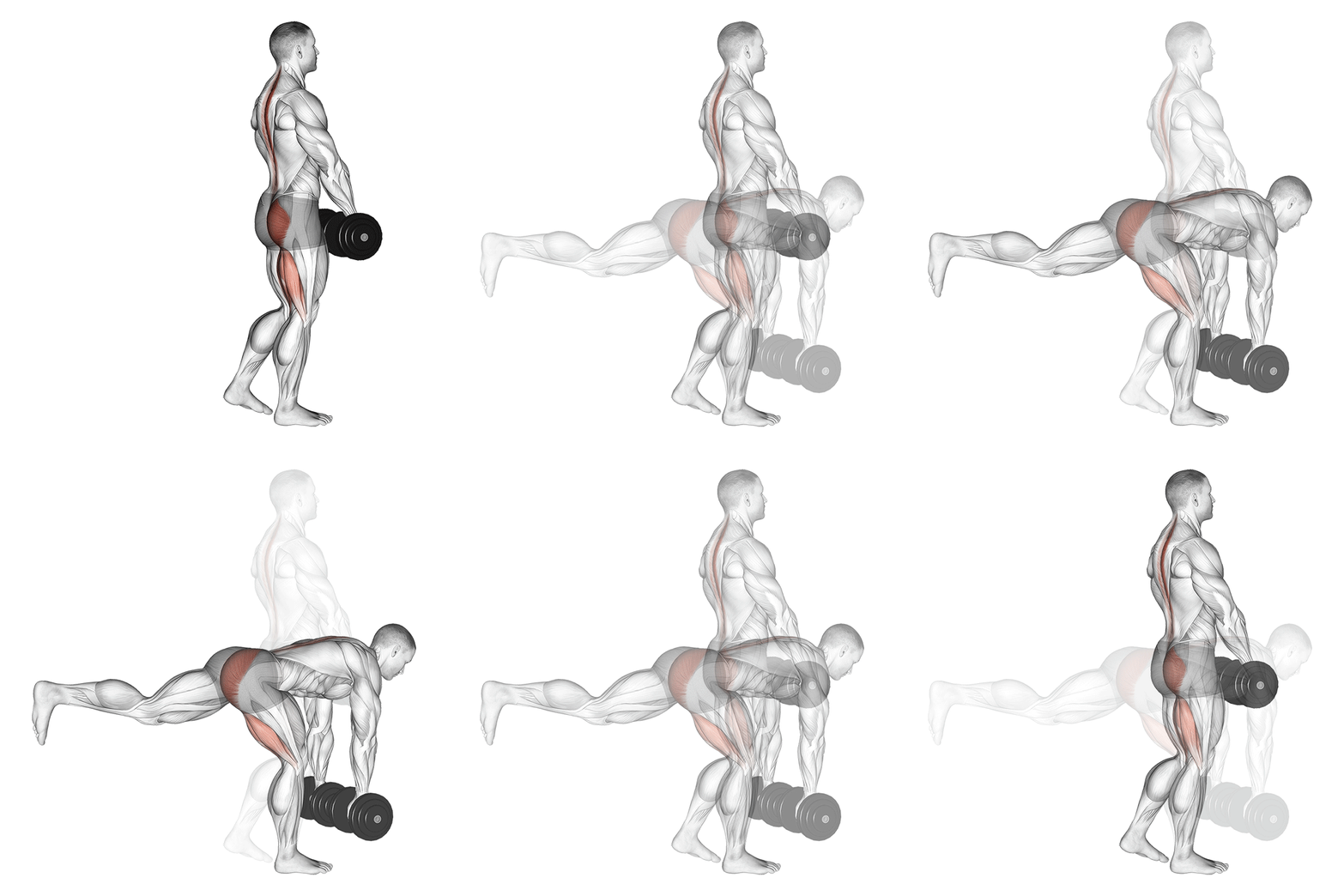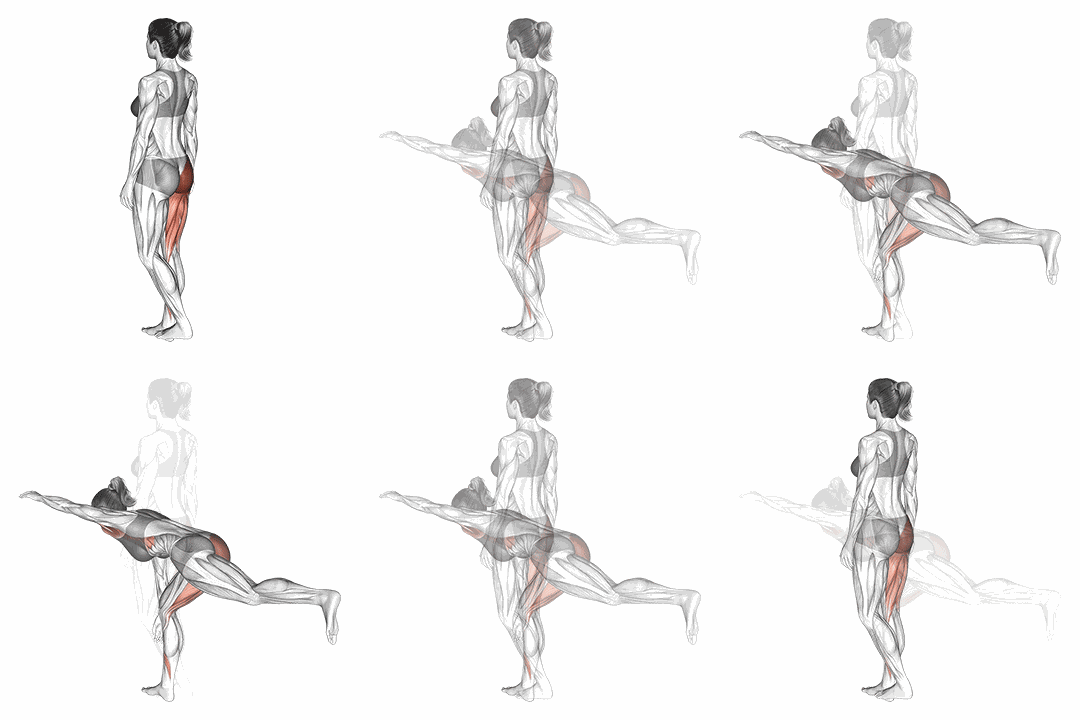
What is the bodyweight single-leg deadlift?
The bodyweight single-leg deadlift is a unilateral hip hinge with no external load. You stand on one leg and hinge forward at the hip, sending the free leg straight back as a counterweight. The arms hang or extend forward. It builds hamstring strength, glute control, ankle stability, and proprioception. It's a prerequisite for loaded single-leg deadlifts and a high-value warm-up before any running, lunging, or sled session.
How to do the bodyweight single-leg deadlift
- 1
Stand tall
Plant one foot, soft knee, weight on the mid-foot. The other foot just touches the floor behind you.
- 2
Hinge from the hip
Push the standing hip back and send the free leg straight back. Spine stays long, ribs over hips.
- 3
Reach toward parallel
Lower the torso until it's parallel to the floor, body forming a straight line from heel to head.
- 4
Stand back up
Squeeze the standing glute to pull yourself back to vertical. Free leg returns to lightly touch the floor.
Pro tip
Pick a spot on the floor two meters in front of you and lock your eyes there. Trying to look down wrecks your balance instantly.
Common mistakes
Rounding the back.
If your spine flexes, the hinge becomes a back exercise. Keep the spine long from head to tailbone.
Hips opening up.
The free hip should stay square to the floor. Opening it turns the lift into a sloppy rotation.
Bending the standing knee too much.
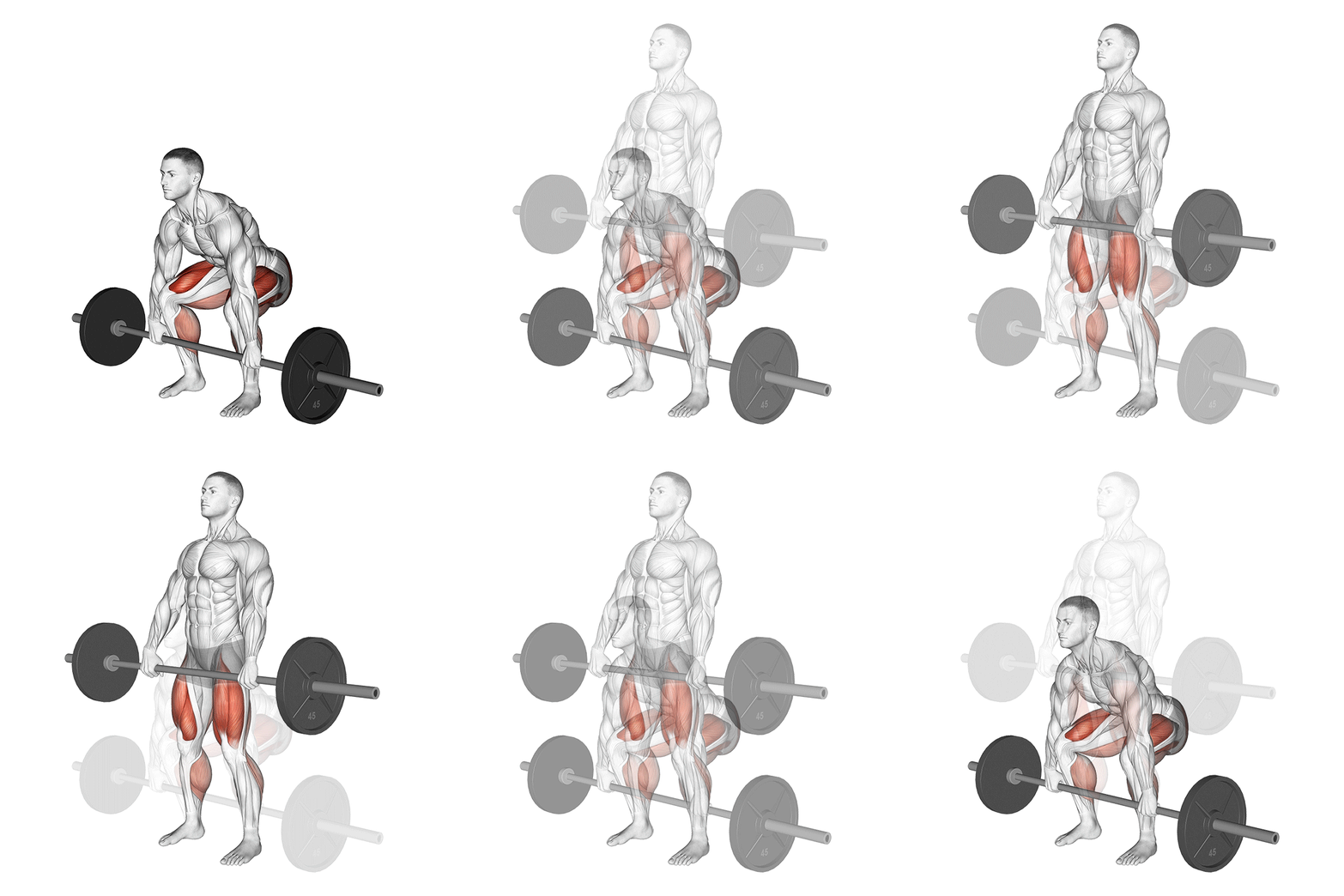
It turns into a single-leg squat. Keep the knee soft but mostly extended, this is a hinge.
Rushing the reps.
Speed kills balance. Three seconds down, one-second pause, two seconds up.
Variations and progressions
Easier
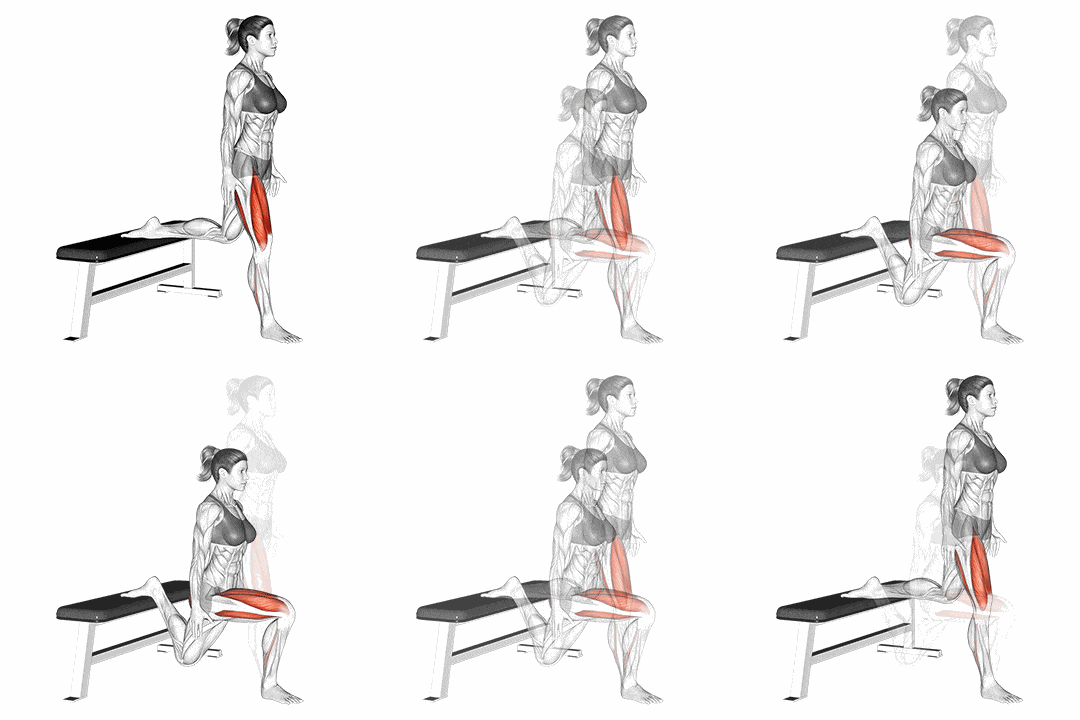
Kickstand deadlift
Keep the free toe on the ground behind you for extra stability while you learn the hinge.
Harder
Dumbbell single-leg deadlift
Add a 10 to 20 kg dumbbell in the opposite-side hand once balance is solid.
Alternative
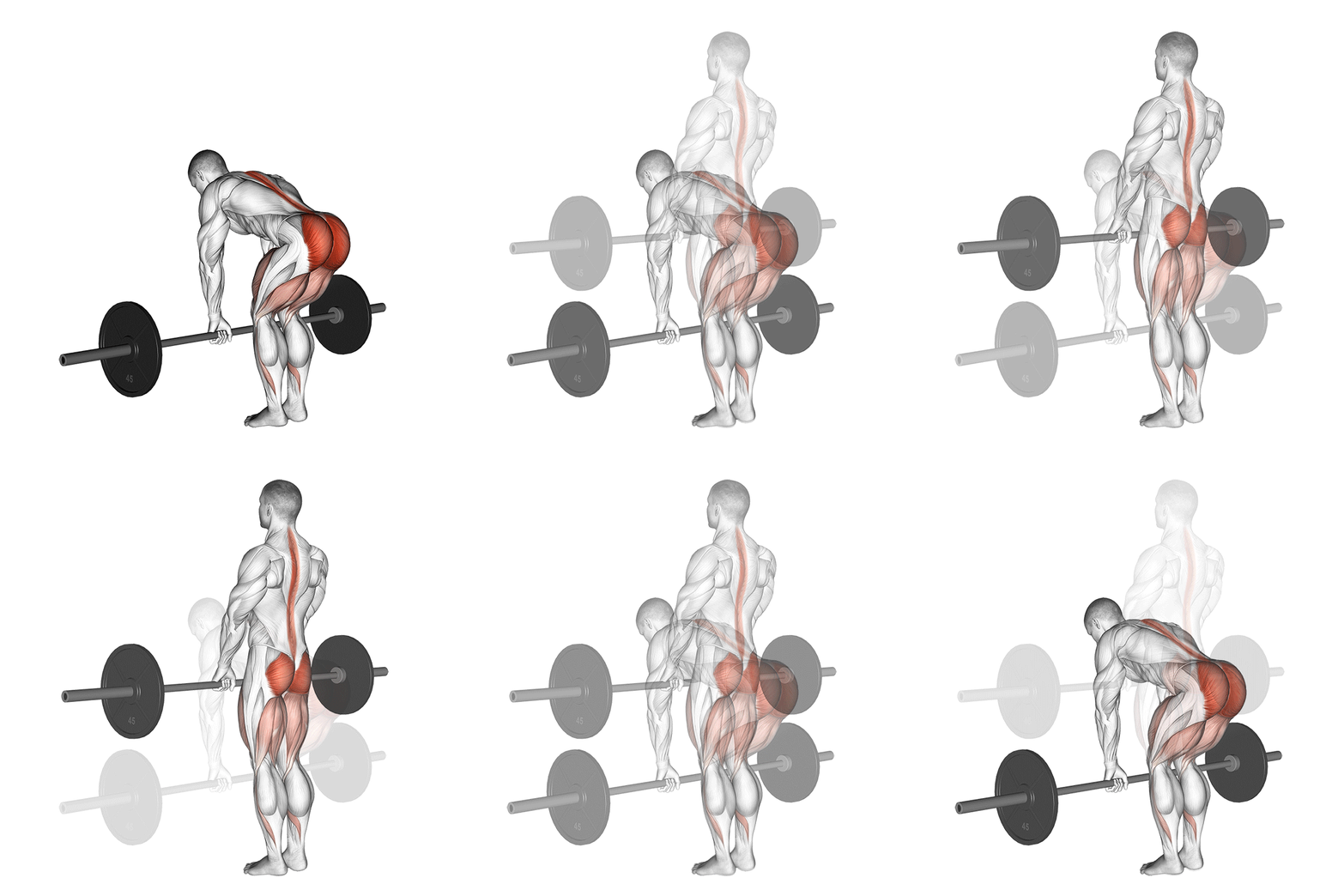
Romanian deadlift
Bilateral hinge with a barbell. Less balance demand, more raw load on the posterior chain.
How to program it
Three protocols by goal. Pick one per cycle and aim for progression on load or distance.
| Goal | Sets × distance | Load | Rest |
|---|---|---|---|
| Movement quality | 3 × 8 / leg | Bodyweight | 45 s |
| Stability builder | 3 × 10 / leg, 3-1-3 tempo | Bodyweight | 60 s |
| Pre-run activation | 2 × 6 / leg | Bodyweight | 30 s |
Bodyweight Single-Leg Deadlift FAQ
Why is it so hard to balance?
Standing on one leg with a long lever extended behind you is one of the most demanding balance tasks the body can face. The ankle and hip stabilizers have to fire in tiny corrections constantly. Within two to three weeks of practice, the balance becomes nearly automatic.
Do I need to touch the floor with the free hand?
Not for the lift itself, but touching the floor at the bottom is a useful learning cue. Once you can hold the bottom position for two seconds without touching, you've earned the right to load the movement with a dumbbell.
How does it transfer to Hyrox?
Every running stride is essentially a single-leg balance task on a flexed hip. Building unilateral hinge strength bulletproofs the hamstring against running-induced strains and improves the eccentric control needed for lunges and broad jumps. Two sets per side, twice a week, is plenty.