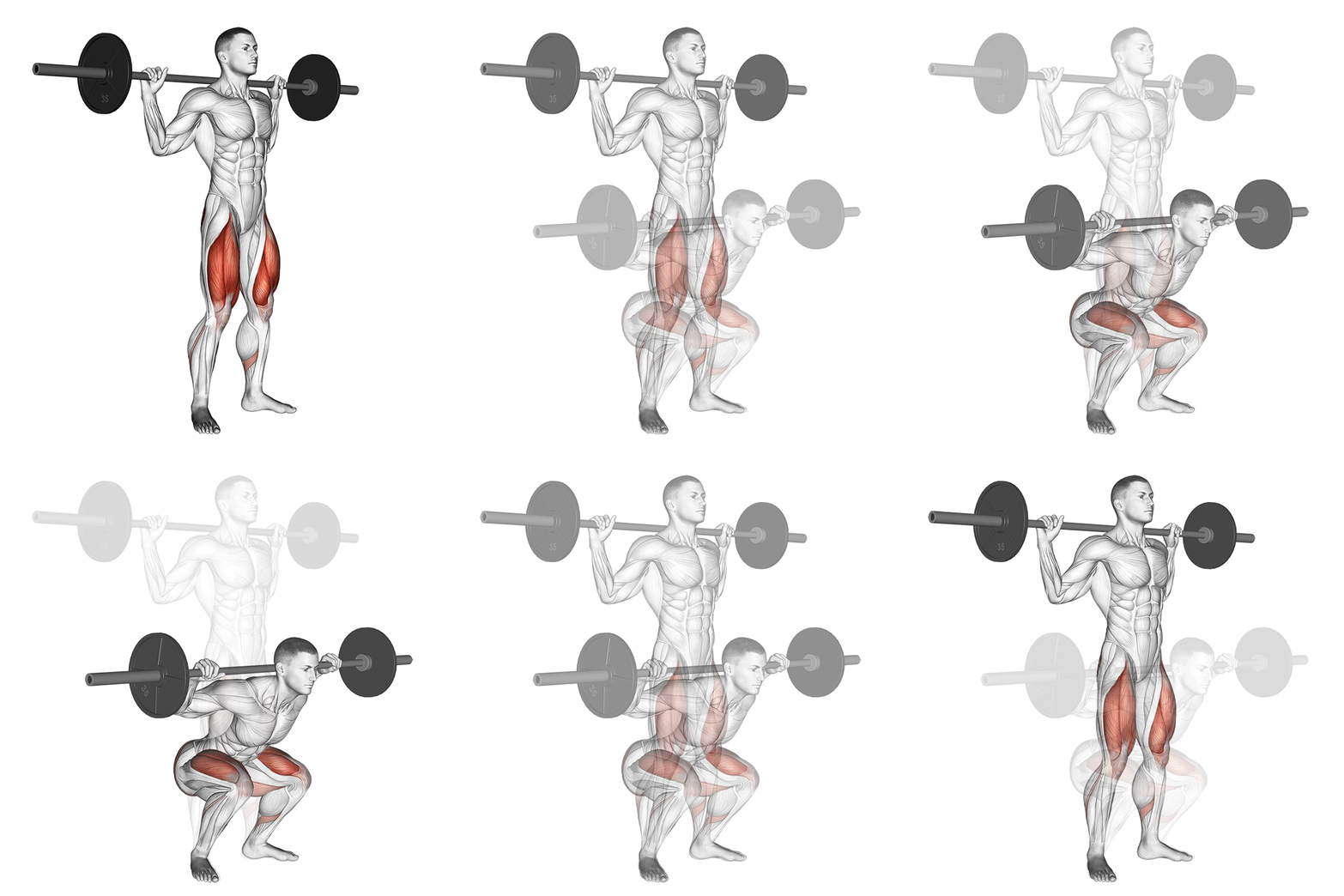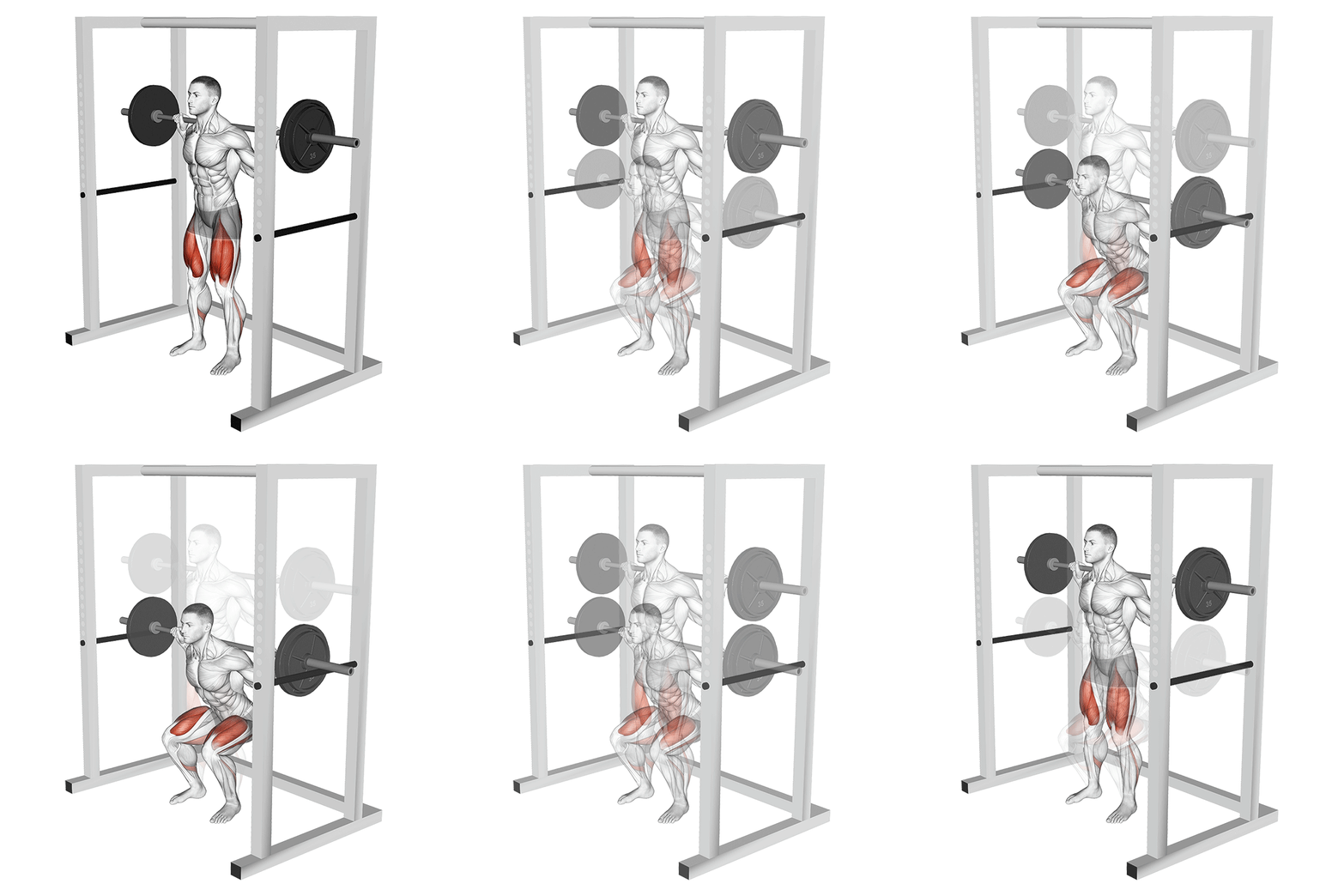
What is the anderson squat?
The Anderson squat is a back squat performed inside a rack with safety pins set just below parallel. You unrack the bar, descend until it rests on the pins, wait one full second, then drive up. Killing the stretch reflex strips away the bounce that masks weakness out of the hole. It builds raw concentric power, teaches you to brace from a static bottom position, and carries over to anything that starts from a dead stop: deadlifts, pin presses, and standing back up under a heavy clean.
How to do the anderson squat
- 1
Set the pins right
Place the safeties so the bar lands just below parallel when you sit into your normal stance. Too high makes it a quarter squat, too low strips the carryover.
- 2
Unrack and descend
Take a high-bar or low-bar setup as you normally squat, walk out two steps, and sit straight down until the bar settles fully on the pins.
- 3
Pause and re-pressurise
Hold one full second on the pins. Take a fresh breath, push your belly into the belt, glue your back to the bar.
- 4
Drive without yanking
Push the floor away and let the bar travel in a straight line. Don't snatch the bar off the pins, build tension first and accelerate through the sticking point.
Pro tip
If your hips shoot up before the bar moves, the load is too heavy or your brace collapsed during the pause. Drop 10 percent and rebuild from a position you can actually own.
Common mistakes
Bouncing off the pins.
If you use the pins like a bench, the whole point disappears. Settle the bar, pause, then drive.
Hips shooting first.
A good-morning out of the hole means your brace dropped during the pause. Re-inhale before you push.
Pins set too high.
Above parallel turns the lift into a glorified rack press. Set the bar just below your normal depth.
Going for max singles every session.
The exercise hammers the CNS. Two or three working sets in the mid 70 to 85 percent range covers most needs.
Variations and progressions
Easier
Higher pin tempo squat
Set the pins two holes higher and use a three-second pause instead of a dead stop. Same intent, lower load demand.
Harder
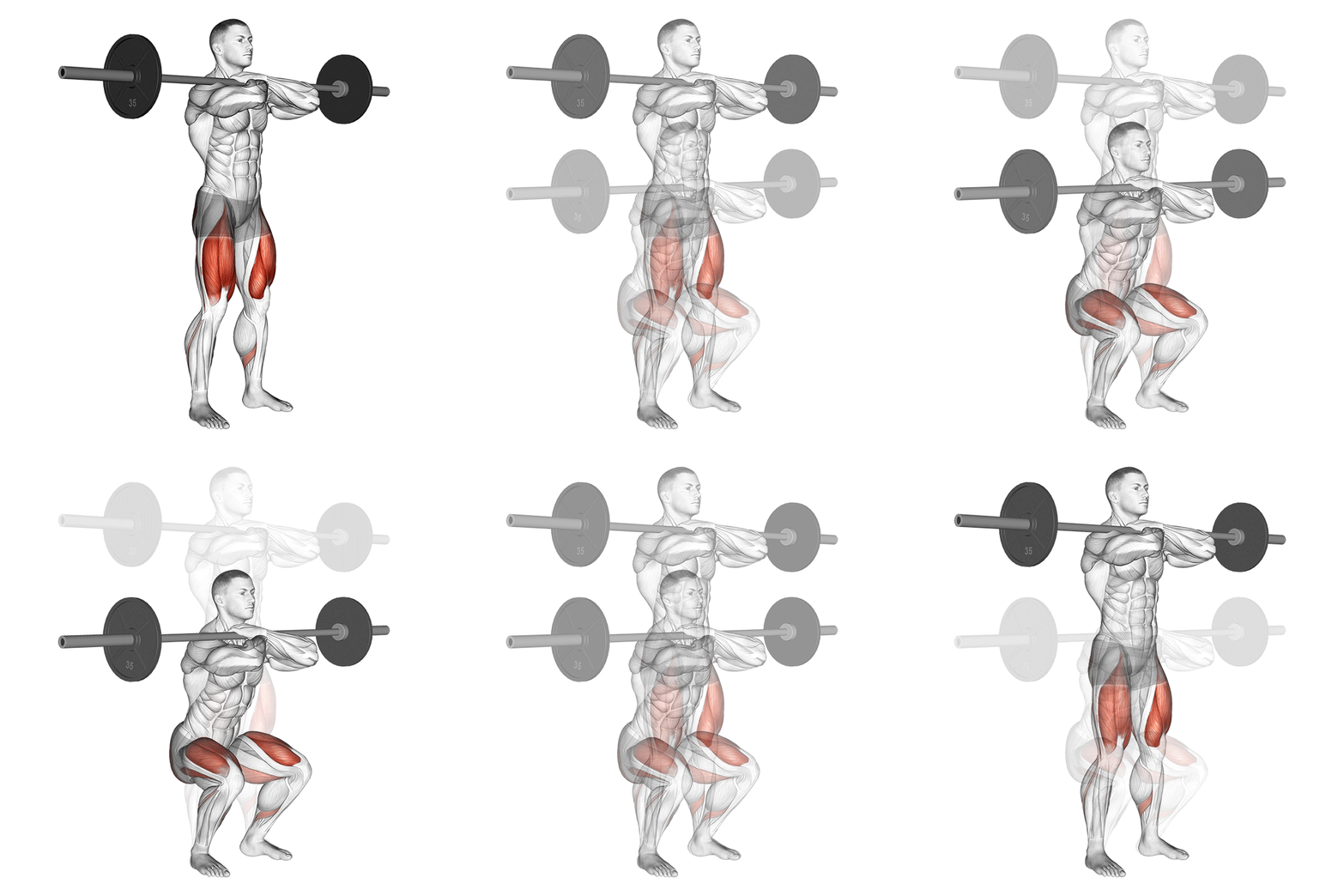
Anderson front squat
Same setup, bar racked on the front. Punishes the upper back and forces a vertical torso under fatigue.
No rack with pins?
Box squat with pause
Sit fully onto a box at parallel, pause one second, then stand. Similar dead-start stimulus without safeties.
How to program it
Three protocols by goal. Pick one per cycle and aim for progression on load or distance.
| Goal | Sets × distance | Load | Rest |
|---|---|---|---|
| Strength | 5 × 3 | 80-85% 1RM | 3 min |
| Power out of the hole | 6 × 2 | 70% 1RM, max intent | 2-3 min |
| Accessory for back squat | 3 × 5 | 75% 1RM | 2 min |
Anderson Squat FAQ
How is this different from a pause squat?
A pause squat keeps tension throughout because you stay loaded against the bar. The Anderson squat removes that elastic energy because the bar fully rests on the pins. Every rep starts cold, which is much harder. Use the Anderson when you want to expose and fix a weak concentric drive specifically.
Where should I place it in my week?
Treat it as a main strength lift, not an accessory. One Anderson session per week is plenty, ideally on its own squat day or as the first lift before lighter back-squat work. Two days away from your heaviest pull or competition squat session.
Will it carry over to my regular squat?
Yes, when programmed honestly. Lifters with a soft bottom or a sticking point a few centimetres above parallel typically see real carryover in eight to twelve weeks. If your weakness is at lockout or upper-back, the carryover is smaller and you'd be better served by other variations.