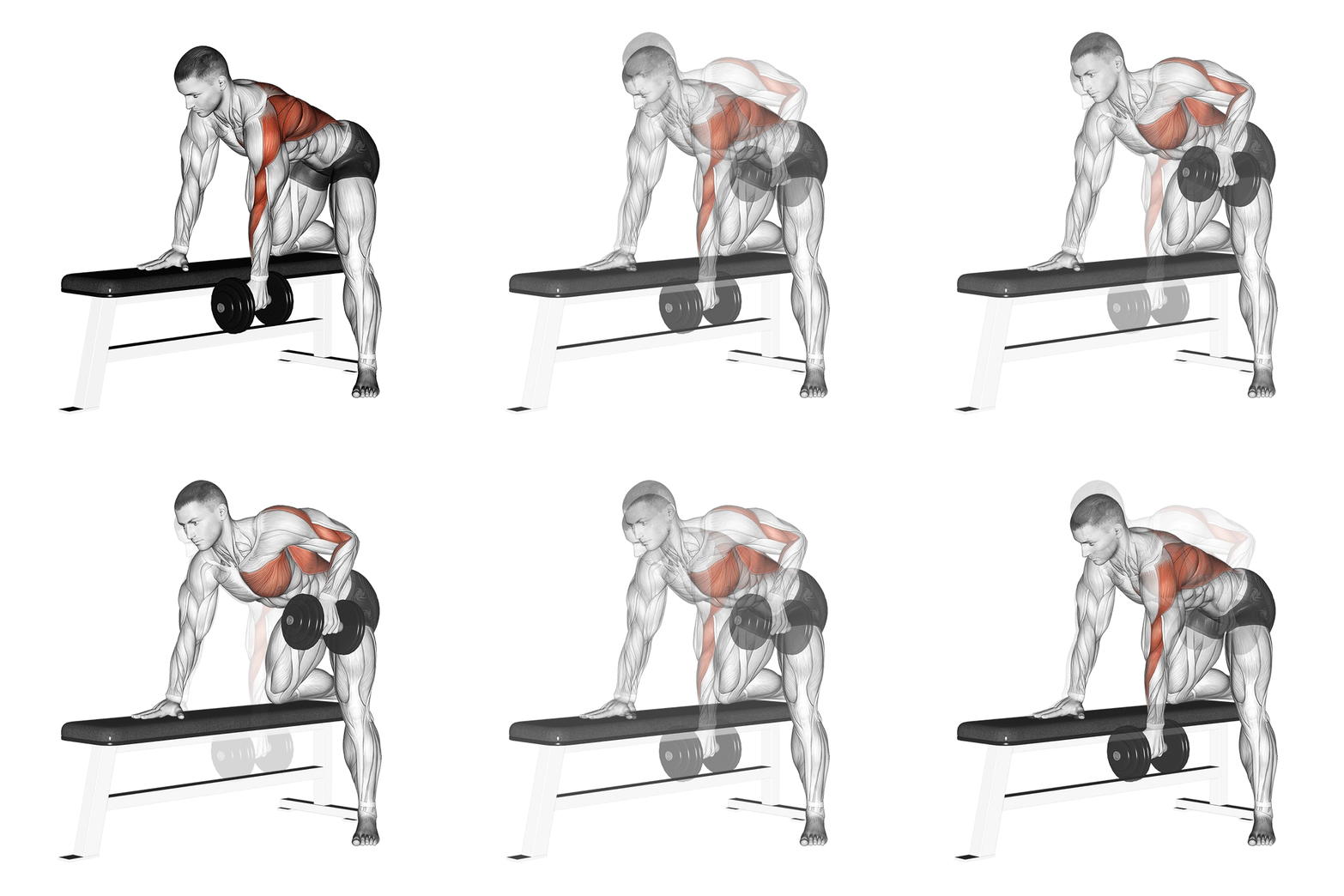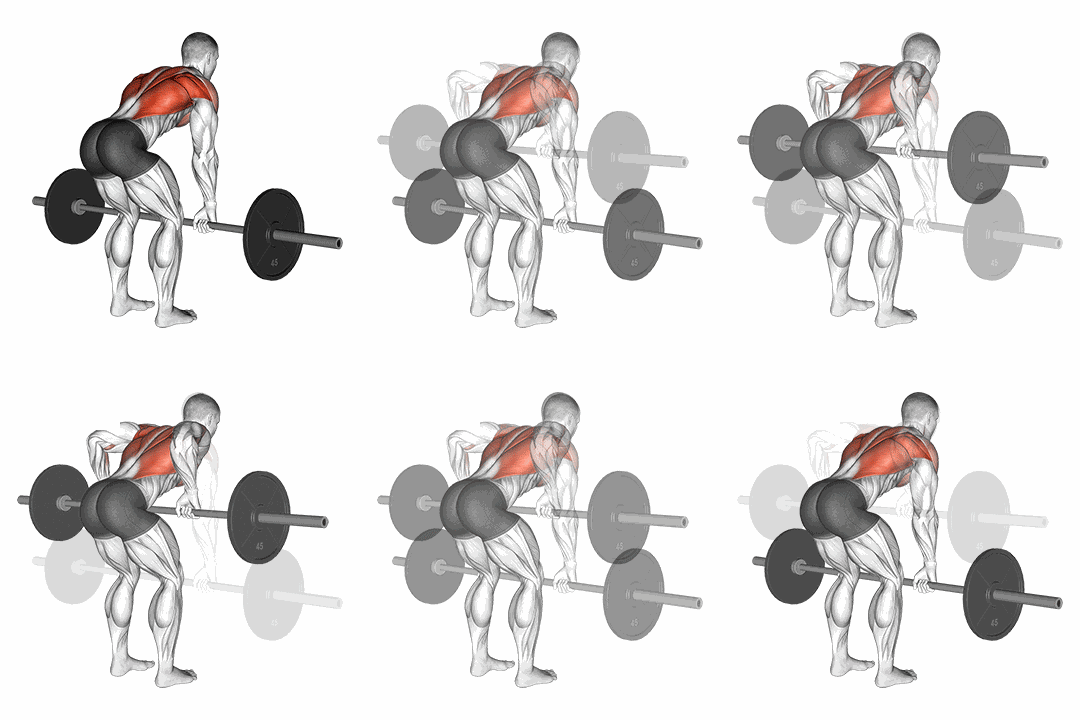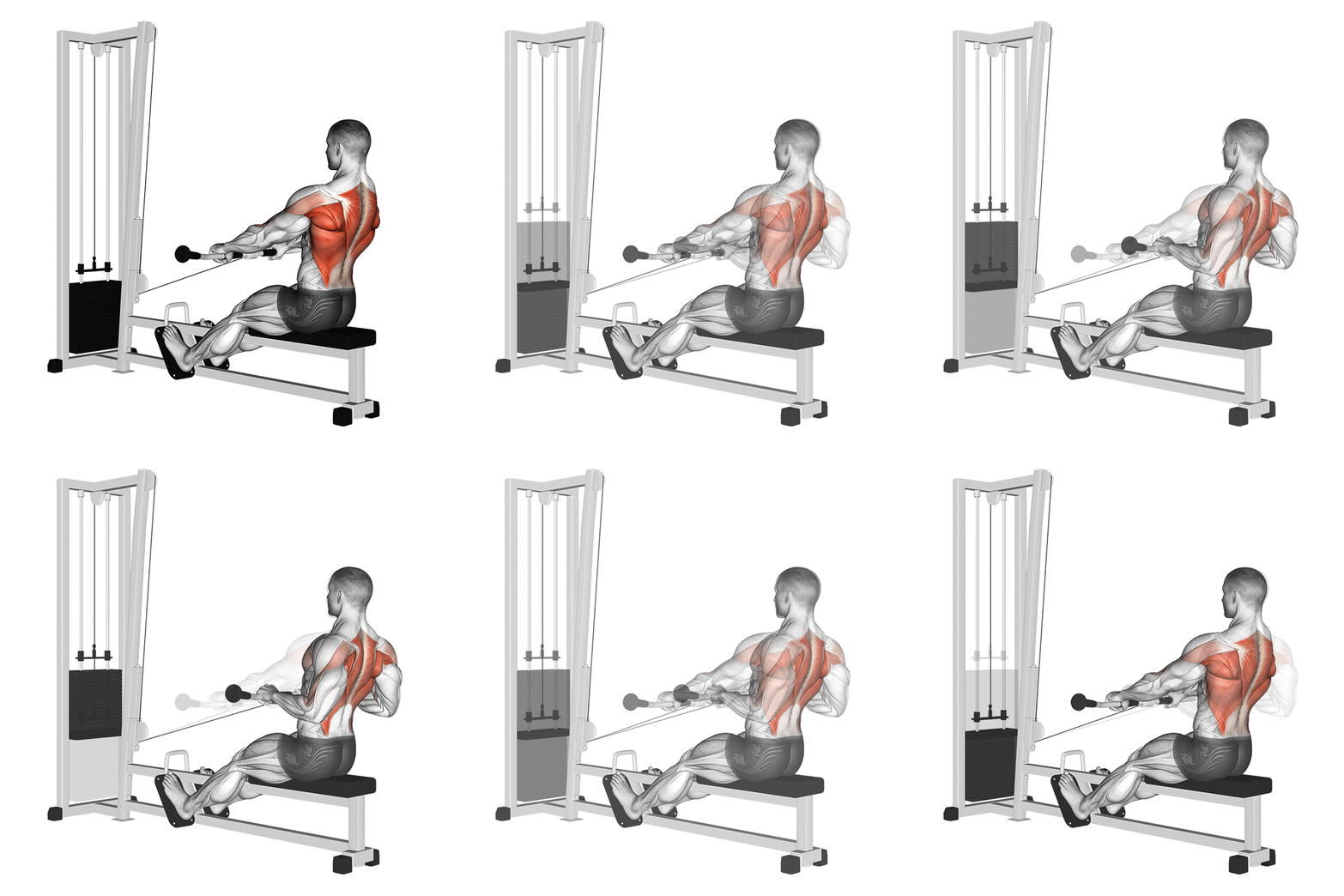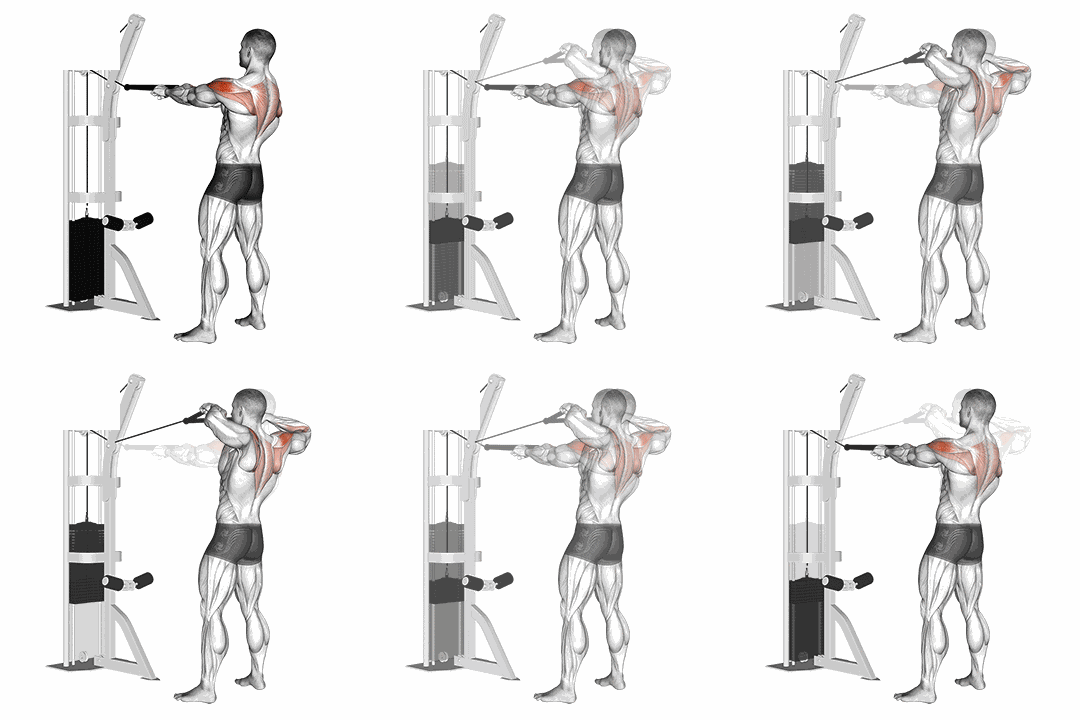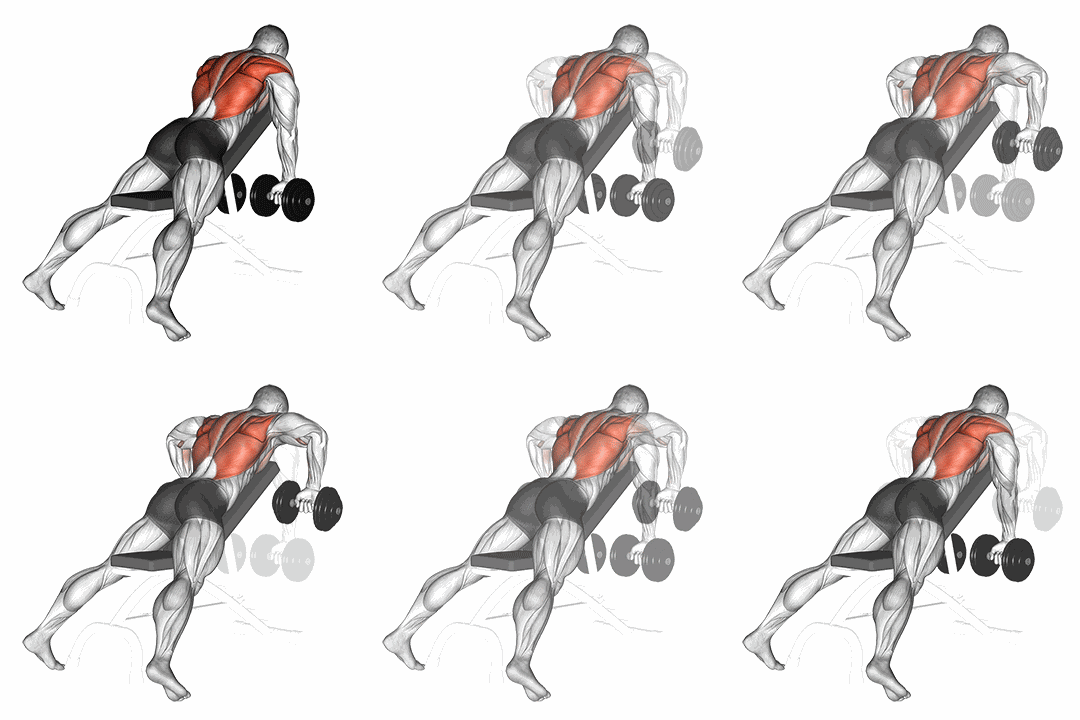
What is the 45-degree incline row?
The 45-degree incline row is performed face-down on a bench set to roughly 45°, two dumbbells hanging at arm's length. You pull the weights up to the ribs, driving the elbows back behind the body, then lower under control. Because the chest is locked against the pad, there's no momentum and no lower-back strain. It isolates the lats, rhomboids, rear delts and mid-traps in a way few free-weight rows can. A staple for posture, bench-press lockout support, and visible back thickness.
How to do the 45-degree incline row
- 1
Set the bench to 45°
An angle between 30° and 45° works best. Higher hits the upper back more, lower targets the lats. Start at 45° and adjust by feel.
- 2
Lie face down and brace
Chest on the pad, feet on the floor or footplate, dumbbells hanging at arm's length. Pack the shoulders down, brace the abs.
- 3
Row the elbows back
Pull the dumbbells up to the ribs by driving the elbows behind the body. Squeeze the shoulder blades together hard at the top.
- 4
Lower with control
Take three seconds to lower, letting the lats stretch fully without losing scapular position. Don't drop the weights.
Pro tip
If you can swing the dumbbells, they're too heavy or your chest isn't planted. Drop the load, glue the chest to the pad, and feel the back do the work.
Common mistakes
Chest lifting off the pad.
If the chest comes up, momentum kicks in and the lats stop working. Stay glued to the bench.
Elbows too flared.
Flared elbows turn it into a rear-delt row. Keep elbows at about 45° from the torso to hit lats and mid-back.
Pulling with biceps only.
Lead with the elbows, not the hands. Think 'put the dumbbell in your pocket'.
Half-range reps.
Stopping before the stretch shortcuts the lats. Let the arms hang fully between reps.
Variations and progressions
Easier
Chest-supported machine row
Selectorised or plate-loaded chest-supported row. Same support, fixed path, easier to learn on.
Harder
Single-arm incline row
One dumbbell at a time, free hand gripping the bench. More range, more rotation challenge, harder bracing.
No incline bench?
Seal row on a flat bench
Lie prone on a flat bench raised on blocks, dumbbells hanging below. Same chest-supported pull, fully horizontal.
How to program it
Three protocols by goal. Pick one per cycle and aim for progression on load or distance.
| Goal | Sets × distance | Load | Rest |
|---|---|---|---|
| Hypertrophy | 4 × 10-12 | RPE 8 | 90 s |
| Strength accessory | 5 × 6 | Heavy dumbbells | 2 min |
| Posture / volume | 3 × 15, 2-0-3 tempo | Moderate | 60 s |
45-Degree Incline Row FAQ
Why incline rows over bent-over rows?
Incline rows remove the lower back as the limiting factor. With a bent-over row, your erectors fatigue before your lats. Chest-supported, you can chase pure back hypertrophy without worrying about position breakdown. Use both: bent-over for strength, incline rows for volume.
What angle hits the upper back best?
Around 30°. The flatter the bench, the more horizontal the pull and the more upper-back, rear-delt and trap involvement. At 45° you bias the mid-back, at 60° you'd push toward a high row. Pick 30-45° for a balanced upper-back builder.
Should I use straps?
On heavy sets above 8 reps, yes. The lats are stronger than the grip, and you don't want your forearms to be the reason you stop. Train grip separately with farmer's carries or holds, and let the back do back work without compromise.