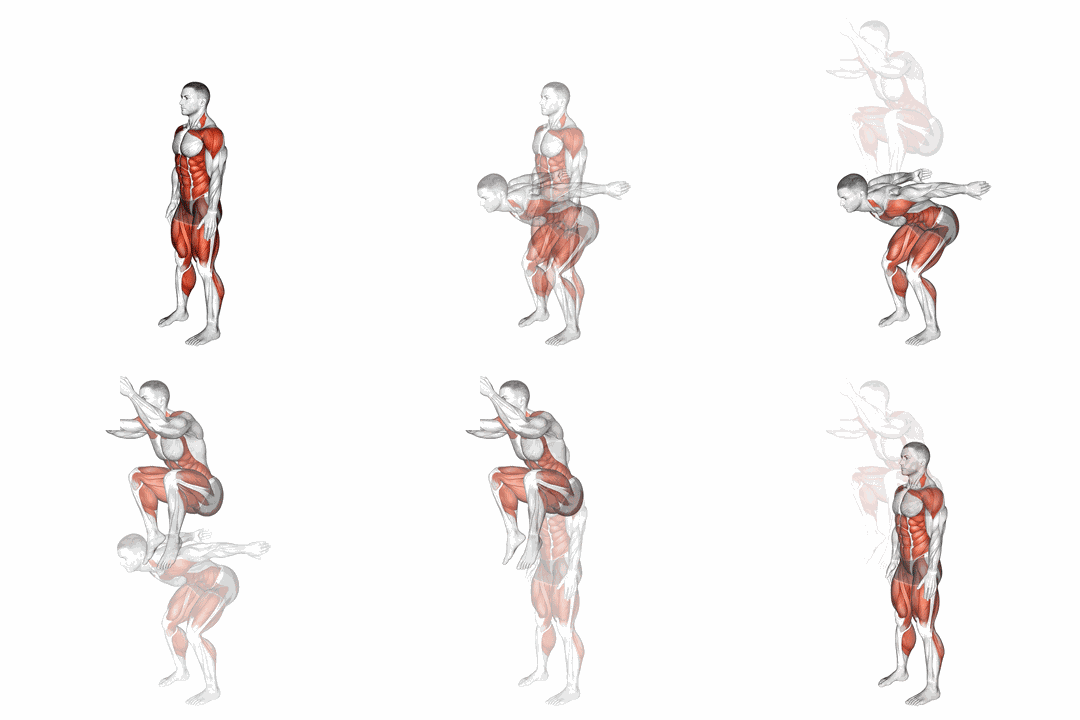
What is the tuck jump?
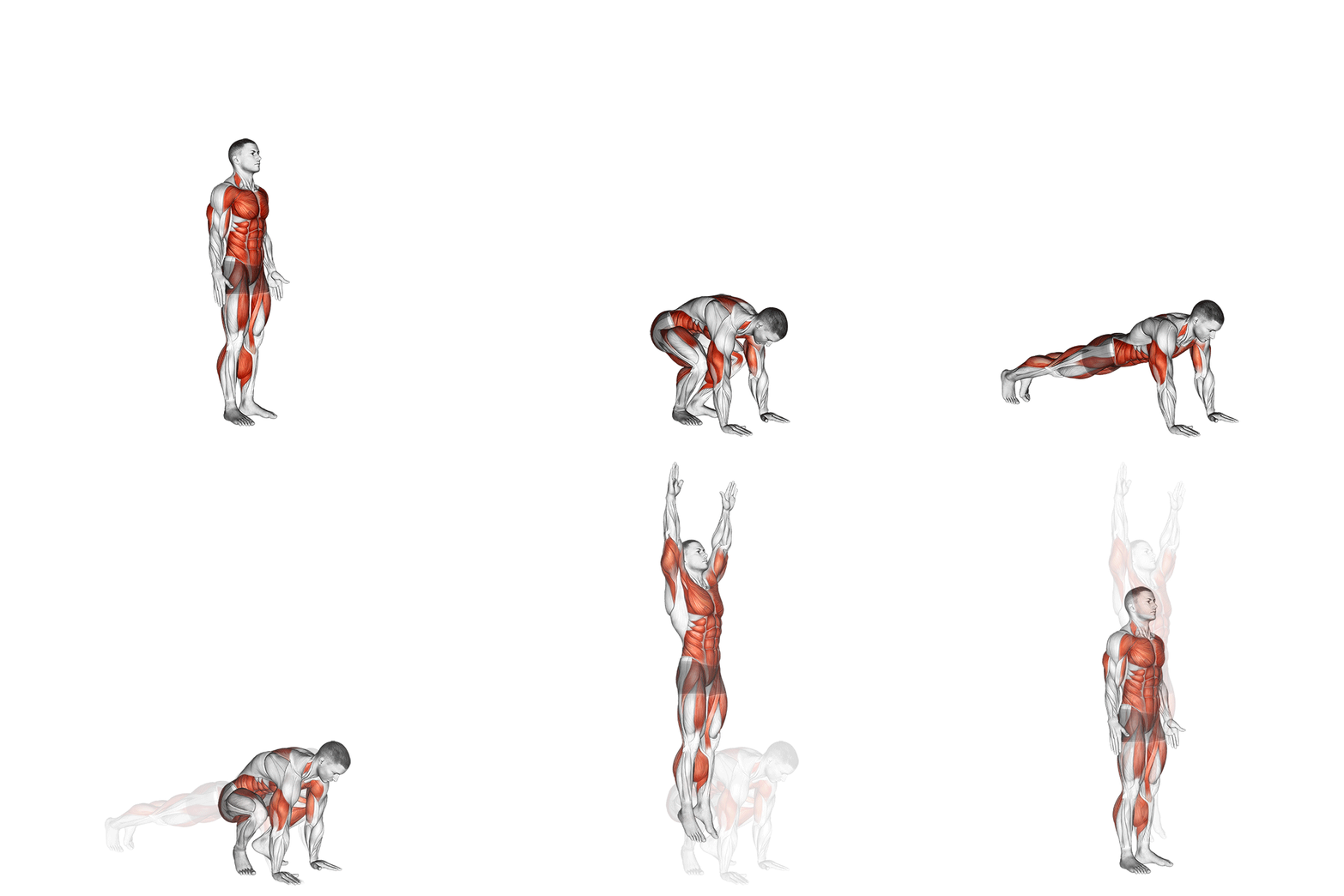
The tuck jump is a vertical plyometric where you explode off the ground and pull both knees up toward your chest at the peak of the jump, then land softly and immediately rebound for the next rep. It trains rate of force development, knee-flexion speed, and elastic recoil through the Achilles and quads. It's used in athletic combine testing, sprint and jump programs, and as a punishing finisher in CrossFit-style workouts. Done sloppy, it ruins knees. Done well, it builds athletes.
How to do the tuck jump
- 1
Athletic stance
Feet hip-width, knees soft, weight on mid-foot. Arms back, ready to swing. Eyes forward, core braced.
- 2
Counter and jump
Quick dip into a quarter squat, swing arms up, explode vertically through the balls of the feet. The jump comes from hips and ankles, not the knees alone.
- 3
Snap knees to chest
At the apex, pull both knees up sharply to chest height. Don't bring the chest down to the knees, keep the torso tall, the knees do the work.
- 4
Soft landing, instant rebound
Land on the balls of the feet, knees soft and tracking over toes, hips back to absorb. Spring straight into the next jump, no pause.
Pro tip
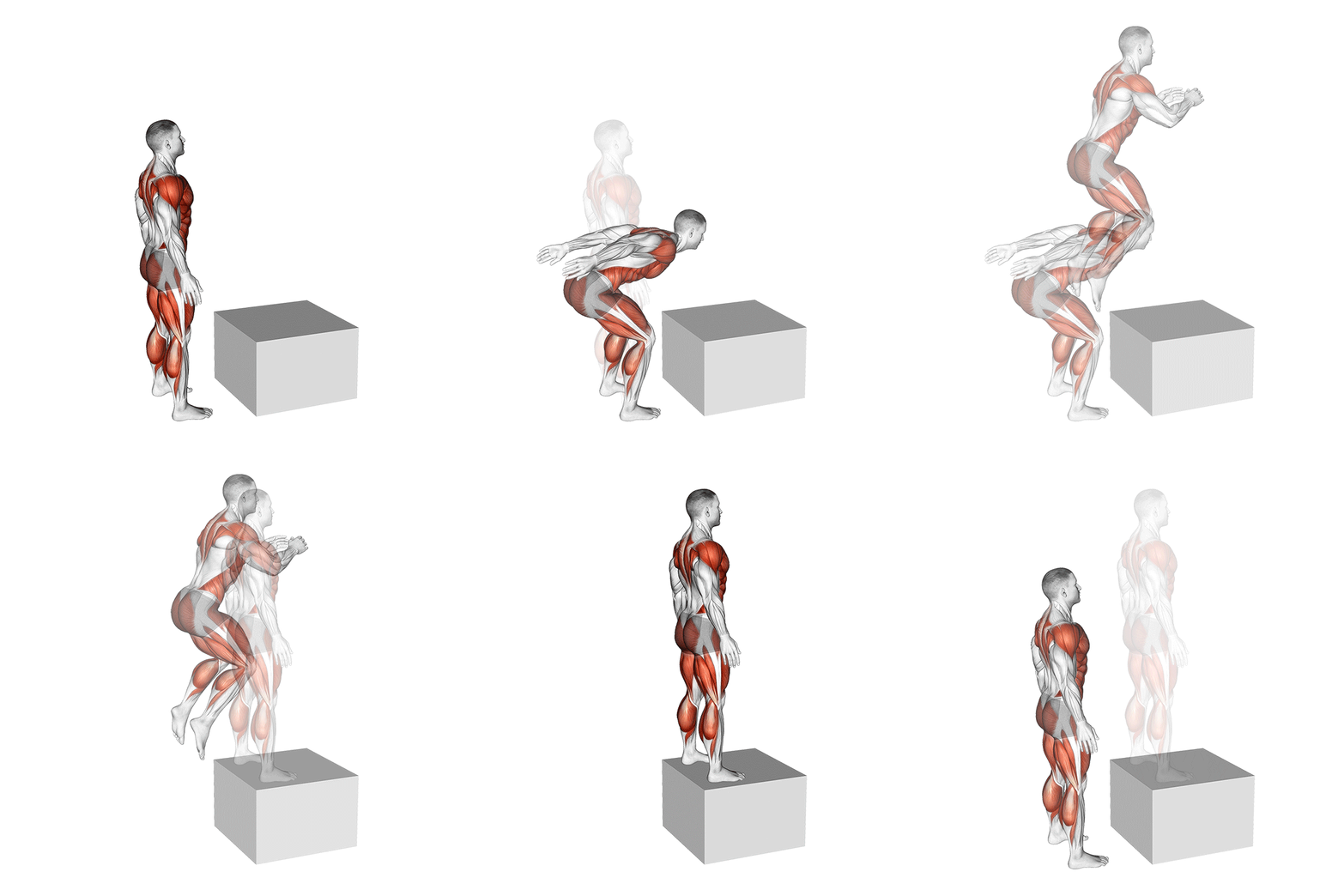
If you can't pull your knees to your chest, you don't have a strength problem, you have a jump-height problem. Build vertical jump first with box jumps and squat jumps before chasing high tuck reps.
Common mistakes
Folding the chest down.
Pulling the chest to the knees fakes the height. Stay upright, the knees must come up to the chest.
Heavy, loud landings.
Loud feet equal hard knees. Land like a ninja, balls of feet first, hips absorb, no slap.
Knees caving on landing.
Knees collapsing inward is the warning sign for ACL injury. Cue 'knees over middle toes' on every landing.
Going to failure on reps.
Tuck jumps decay fast. Stop the set when height drops, not when legs give out. Quality is the entire point.
Variations and progressions
Easier
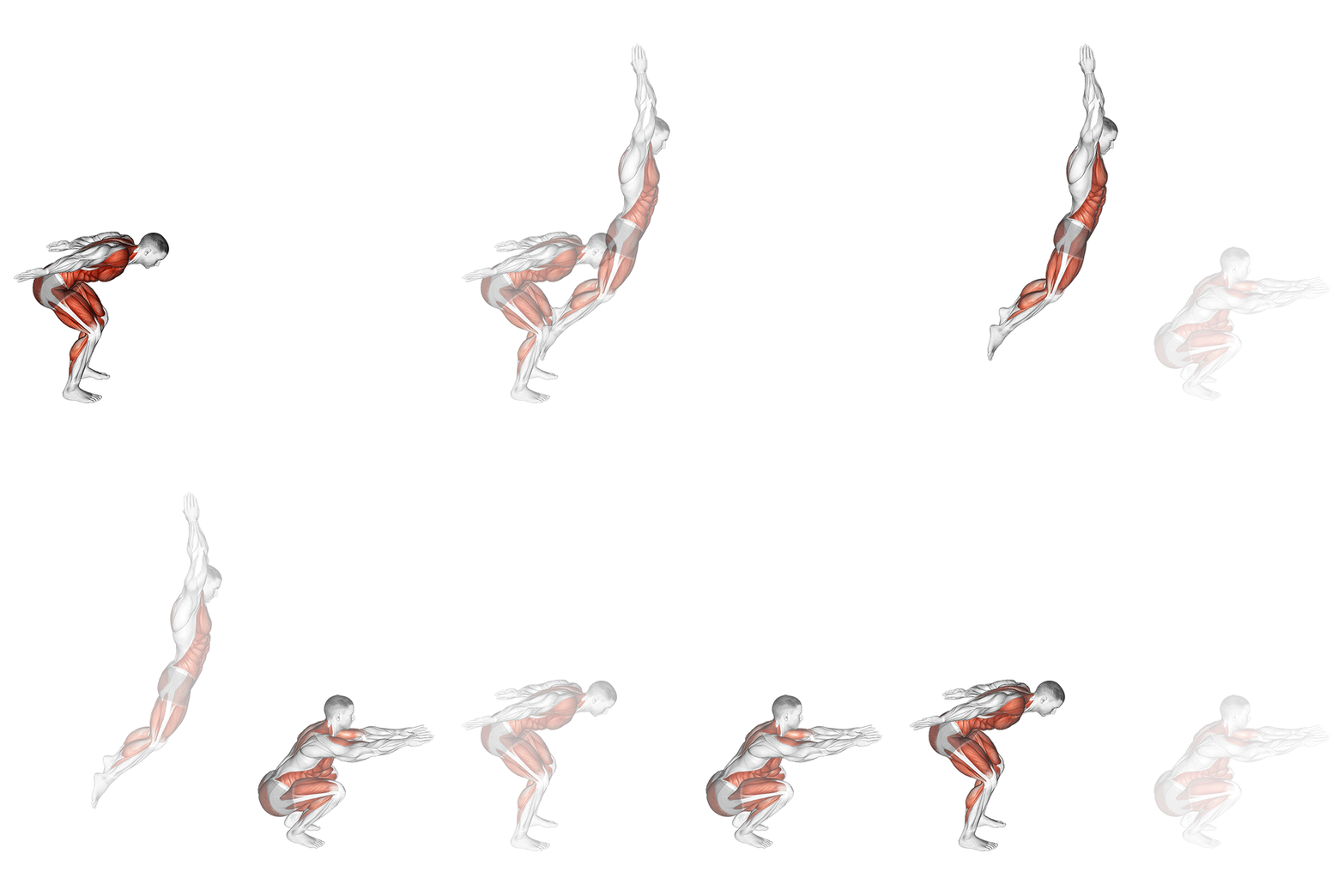
Squat jump
Same explosion without the knee tuck. Builds the vertical power base before adding knee speed.
Harder
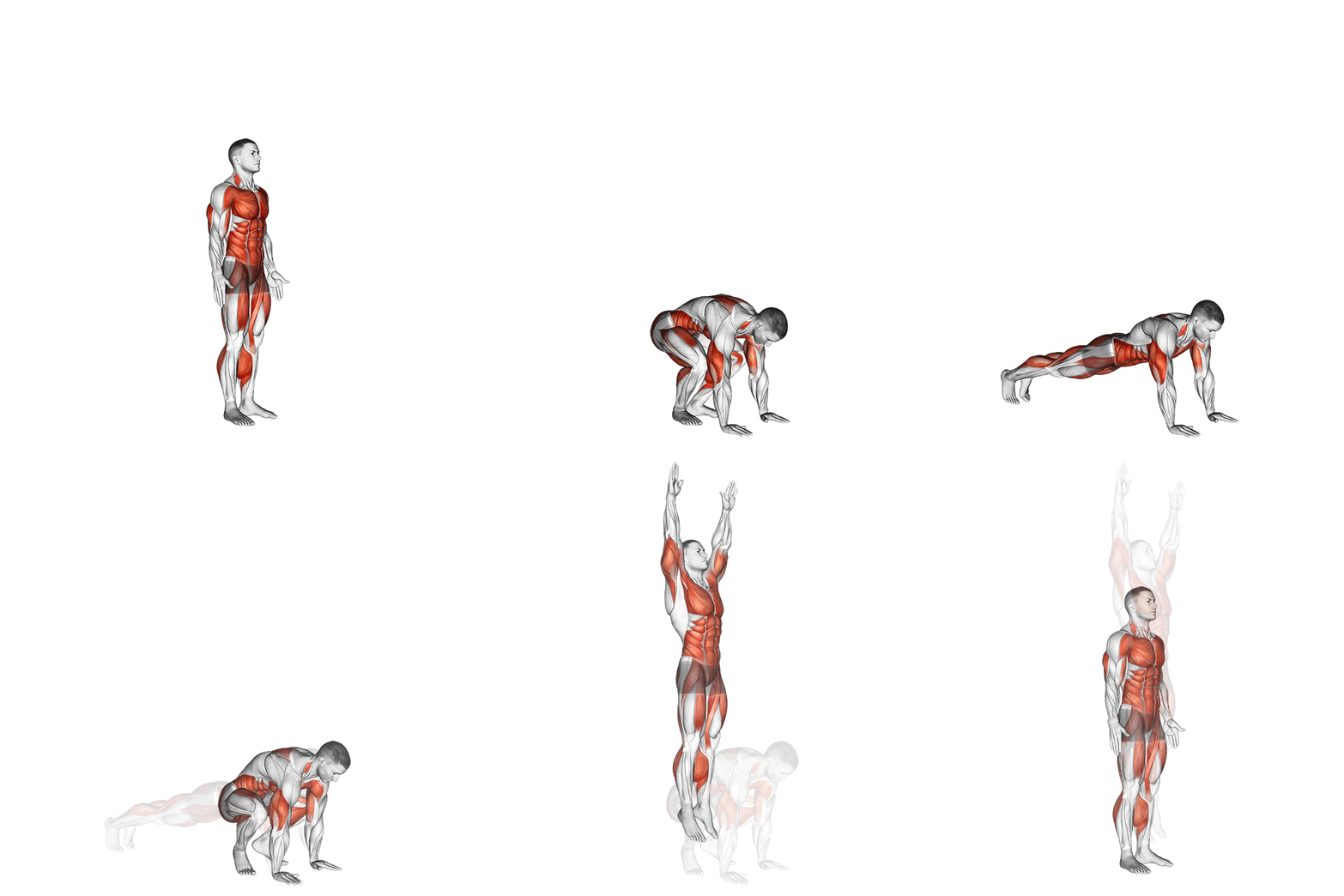
Tuck-jump burpee
Replace the burpee jump with a tuck jump. Brutal conditioning hit, demands power under fatigue.
Low impact?
Pogo hops + high knees
Pogo hops train ankle stiffness, high knees train hip-flexor speed. Combined, they cover what the tuck jump trains, without the landing load.
How to program it
Three protocols by goal. Pick one per cycle and aim for progression on load or distance.
| Goal | Sets × distance | Load | Rest |
|---|---|---|---|
| Power | 5 × 3 | Bodyweight, max height | 60-90 s |
| Athletic development | 4 × 6 | Bodyweight | 90 s |
| Conditioning | EMOM 8 min × 5 reps | Bodyweight | Within minute |
Tuck Jump FAQ
How many tuck jumps per session?
Plyometric volume is measured in 'foot contacts'. Beginners cap at 60-80 contacts per session, intermediates at 100-120, advanced at 140 max. So 5 × 6 tuck jumps is 30 contacts, well within any tier. Going beyond that is when injury risk spikes, especially the patellar tendon.
Why do my knees hurt the day after?
Three culprits: too much volume, poor landing mechanics, or running plyos on legs already fried by squats. Cap volume, drill soft landings on a single jump before stringing them together, and never put plyometrics after a heavy quad session. The patellar tendon is the most common casualty.
Tuck jumps or box jumps?
Box jumps are easier on landings because the box absorbs height. Tuck jumps deliver full landing load every rep. Use box jumps for high-volume power work and to learn explosive intent, use tuck jumps sparingly for landing-mechanics work and athletic conditioning. Most programs need more box, less tuck.