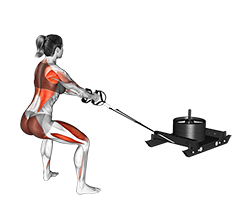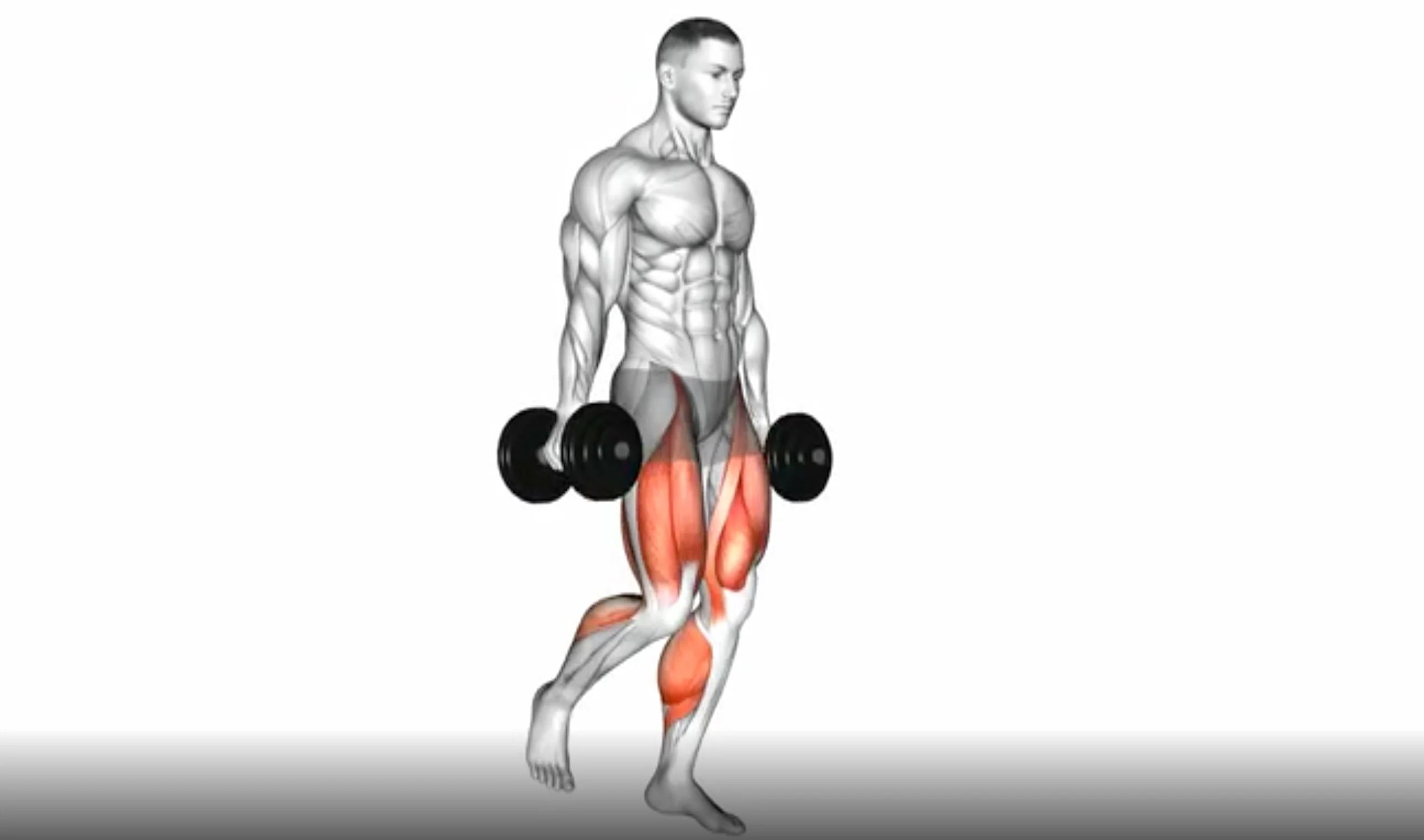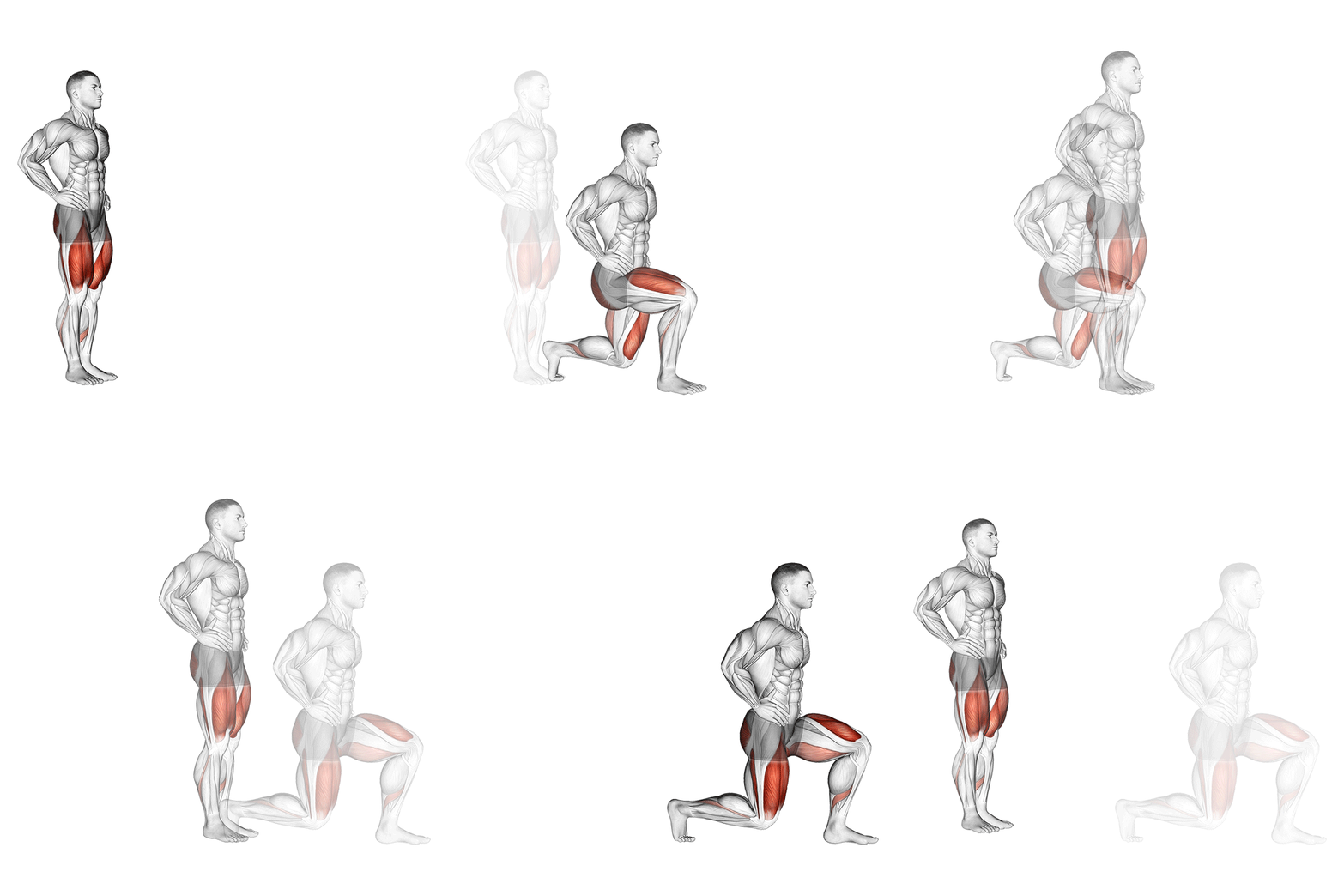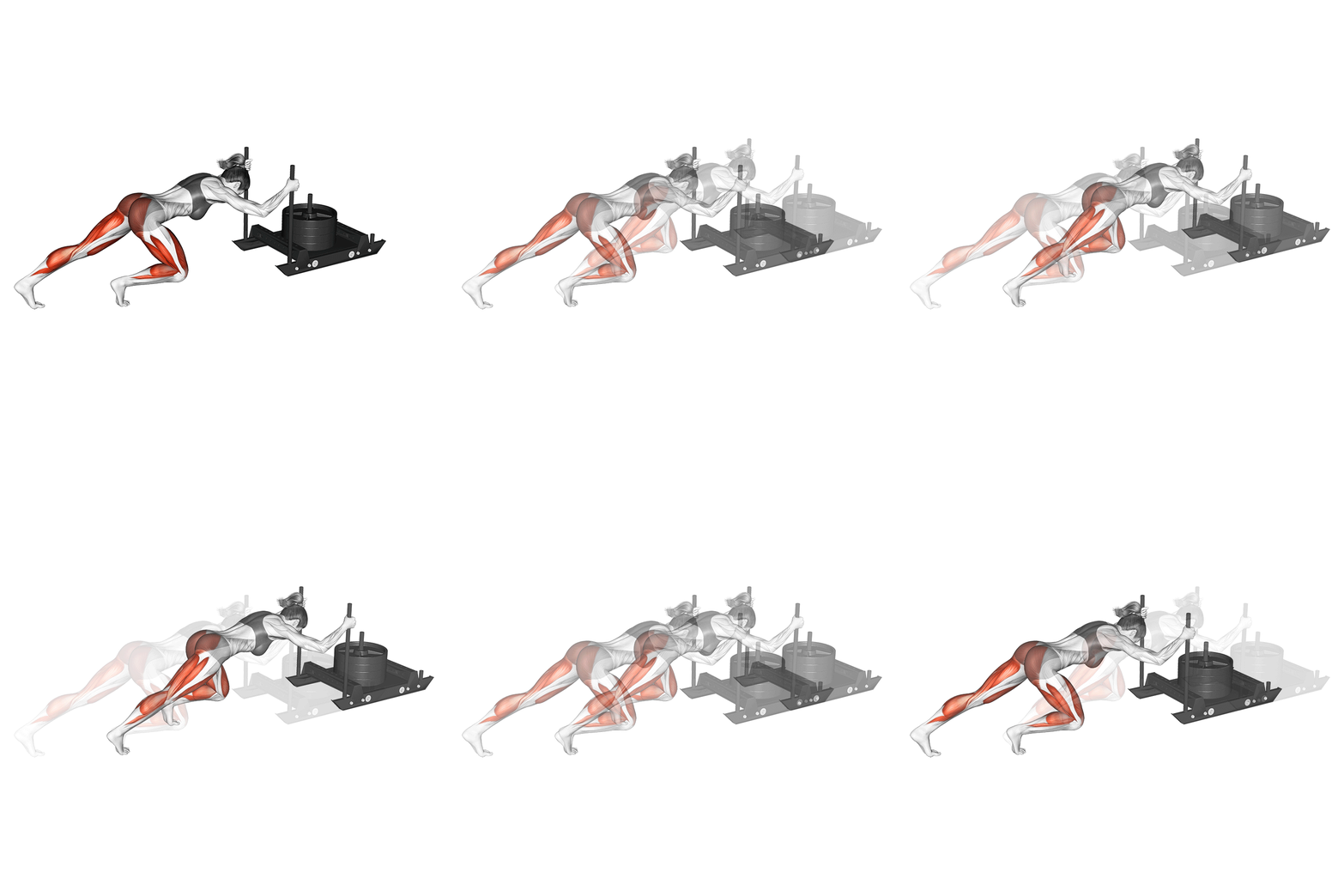
What is the sled push?
The sled push is a horizontal loaded carry: you grip a weighted sled, lower your hips, and drive it forward with short, powerful steps. In Hyrox it's the second station, 50 m of pushing a heavy sled across turf, right after a 1 km run. It builds leg drive, full-body tension and grit, and it punishes anyone who paces it badly.
How to do the sled push
- 1
Set your grip and height
Grab the uprights (or the top of the sled) with straight arms. The higher your hands, the more upright you stay; lower hands mean a stronger push but harder turns.
- 2
Get your body angle
Lean in until your body is a straight line from heels to head, hips low, core braced. Think "sprinter against a wall."
- 3
Drive with short steps
Push through the balls of your feet with quick, choppy steps. Keep your hips down; standing tall kills your leg drive.
- 4
Never fully stop
Static friction is the enemy. Once the sled moves, keep it moving; restarting from a dead stop costs far more energy.
Pro tip
Practise pushing immediately after a hard run. The sled feels twice as heavy with a racing heart rate, train that exact state.
Common mistakes
Hips too high.
You lose leg drive and shift load to your lower back. Keep hips below your shoulders.
Stopping and restarting.
Breaking static friction repeatedly drains you. Keep a steady, unbroken pace.
Looking up.
Craning your neck raises your hips. Keep a neutral neck, eyes down the track.
Long strides.
Big steps reduce power. Short, fast contacts move the sled best.
Hyrox standards
Official Hyrox standards by division. Always confirm the current weights on the official Hyrox site before a race.
| Division | Distance | Men | Women |
|---|---|---|---|
| Open | 50 m | 152 kg | 102 kg |
| Pro | 50 m | 202 kg | 152 kg |
| Doubles / Relay | 50 m | 152 kg | 102 kg |
Prepping for a race? Follow our complete Hyrox training plan to structure your weeks all the way to race day.
Variations and progressions
Easier
Light sled / high handles
Drop the load and grip the uprights high to groove the movement and protect your back.
Harder
Heavy low push
Add weight and grip low for maximal leg drive, closer to a Pro-division load.
No sled?
Plate push & leg press
Push a plate on turf, or build the same drive with heavy leg presses and split squats.
How to program it
Three protocols by goal. Pick one per cycle and aim for progression on load or distance.
| Goal | Sets × distance | Load | Rest |
|---|---|---|---|
| Technique | 4 × 15 m | Light | Full |
| Strength-endurance | 5 × 25 m | Race weight | 60-90 s |
| Race simulation | 2 × 50 m after a run | Race weight | As in race |
Sled Push FAQ
Why does the sled feel so much heavier in a race?
Because you hit it with a spiked heart rate straight off a 1 km run, on turf that adds friction. Always train the push in a fatigued state, not fresh.
Should I grip high or low?
High keeps your back protected and is easier to start. Low gives maximum leg drive but needs strong abs and steady form. Start high while learning the movement, drop lower as you get stronger.
How do I train the sled push without a sled?
Plate pushes on turf, heavy leg presses (focus on the push-off, not the lower), Bulgarian split squats with explosive intent, and sprint hill repeats. Combine them all in one session to mimic the fatigue.