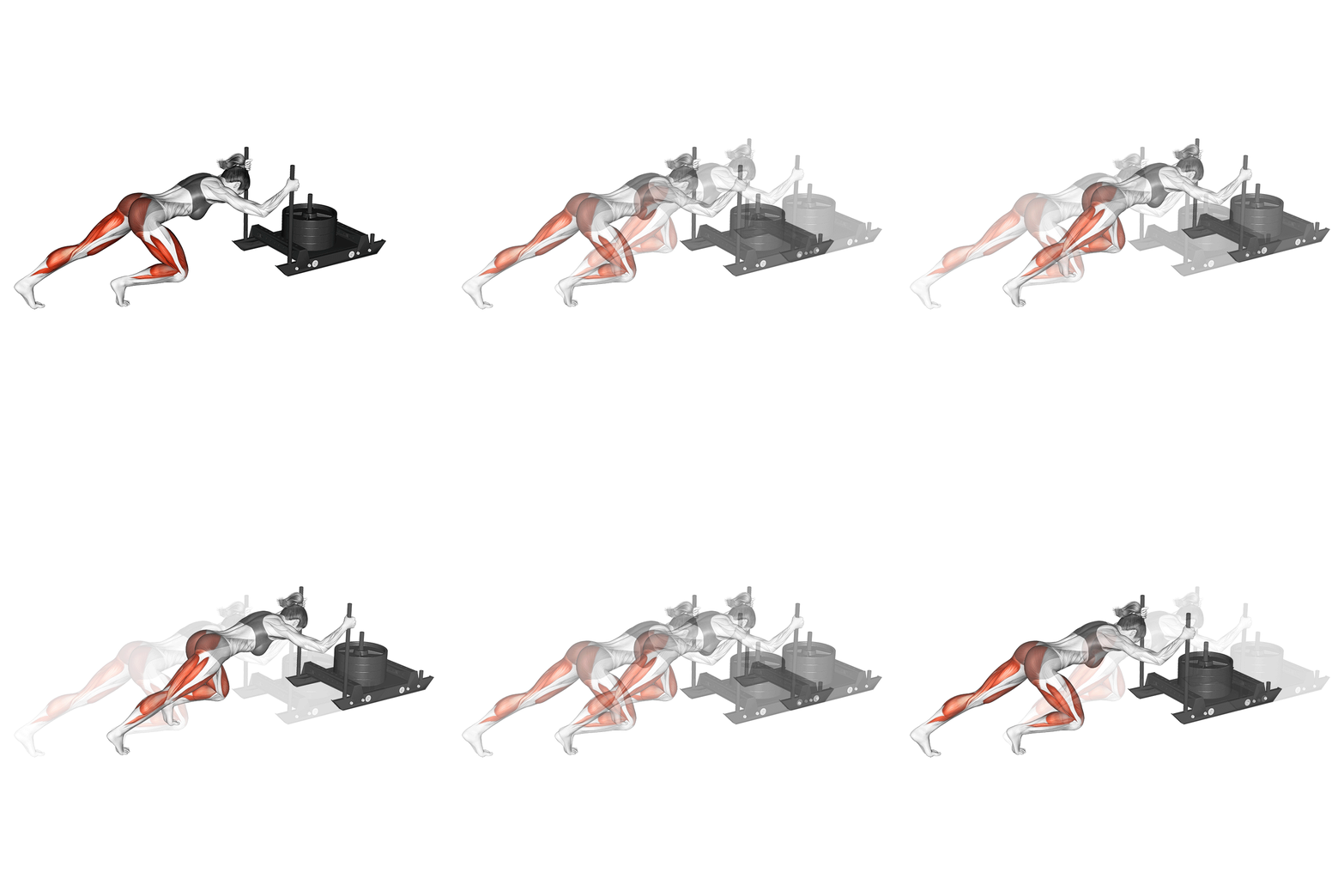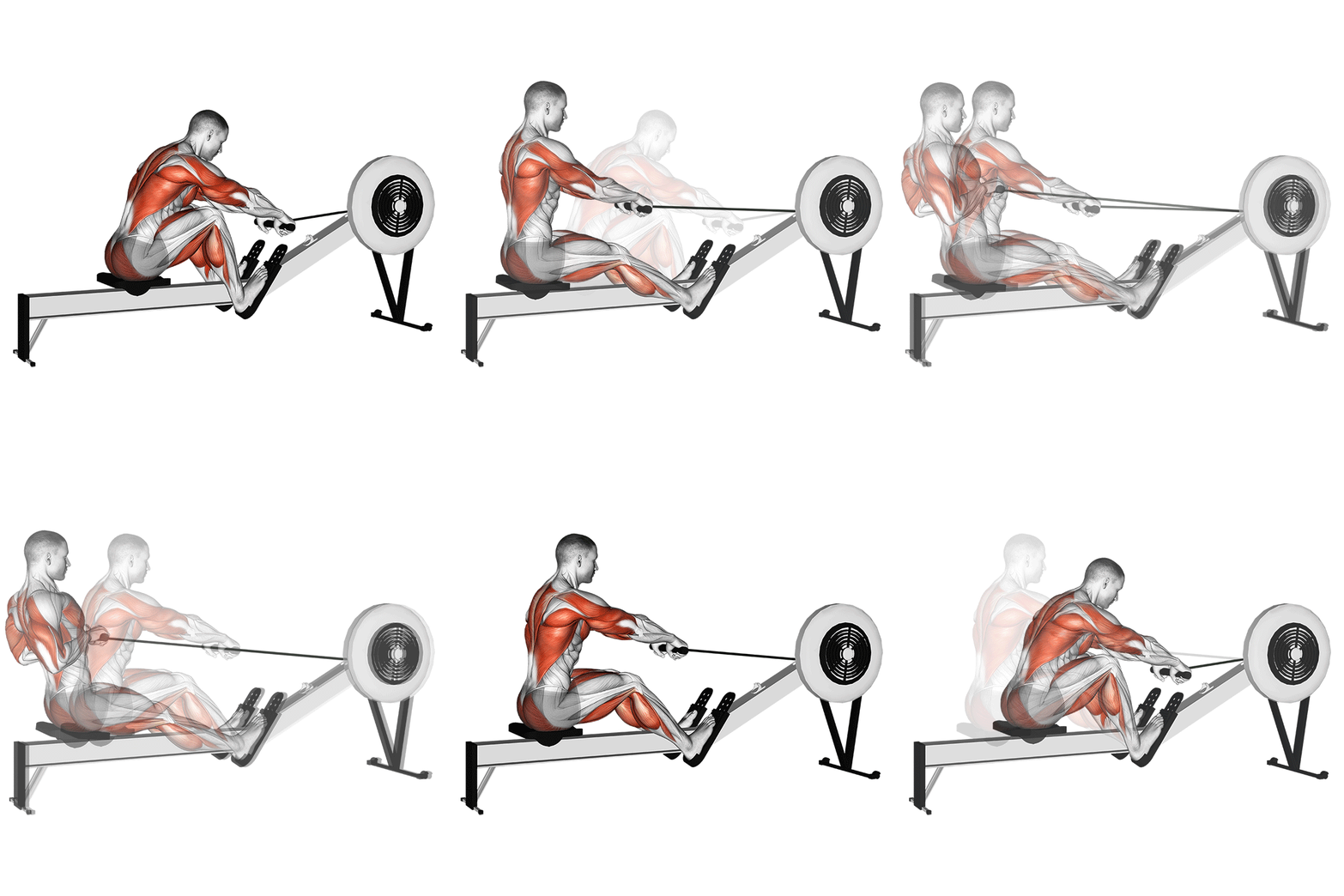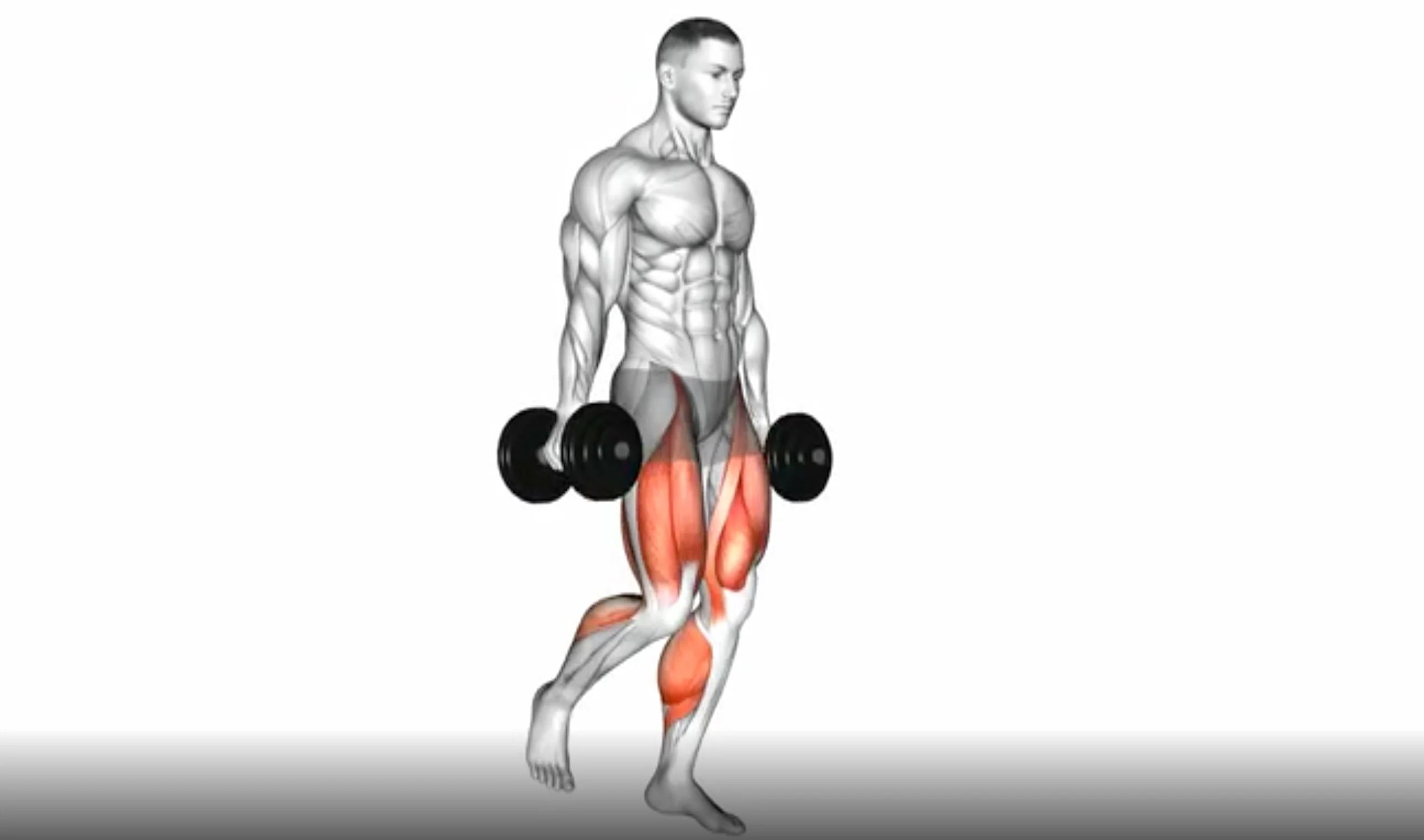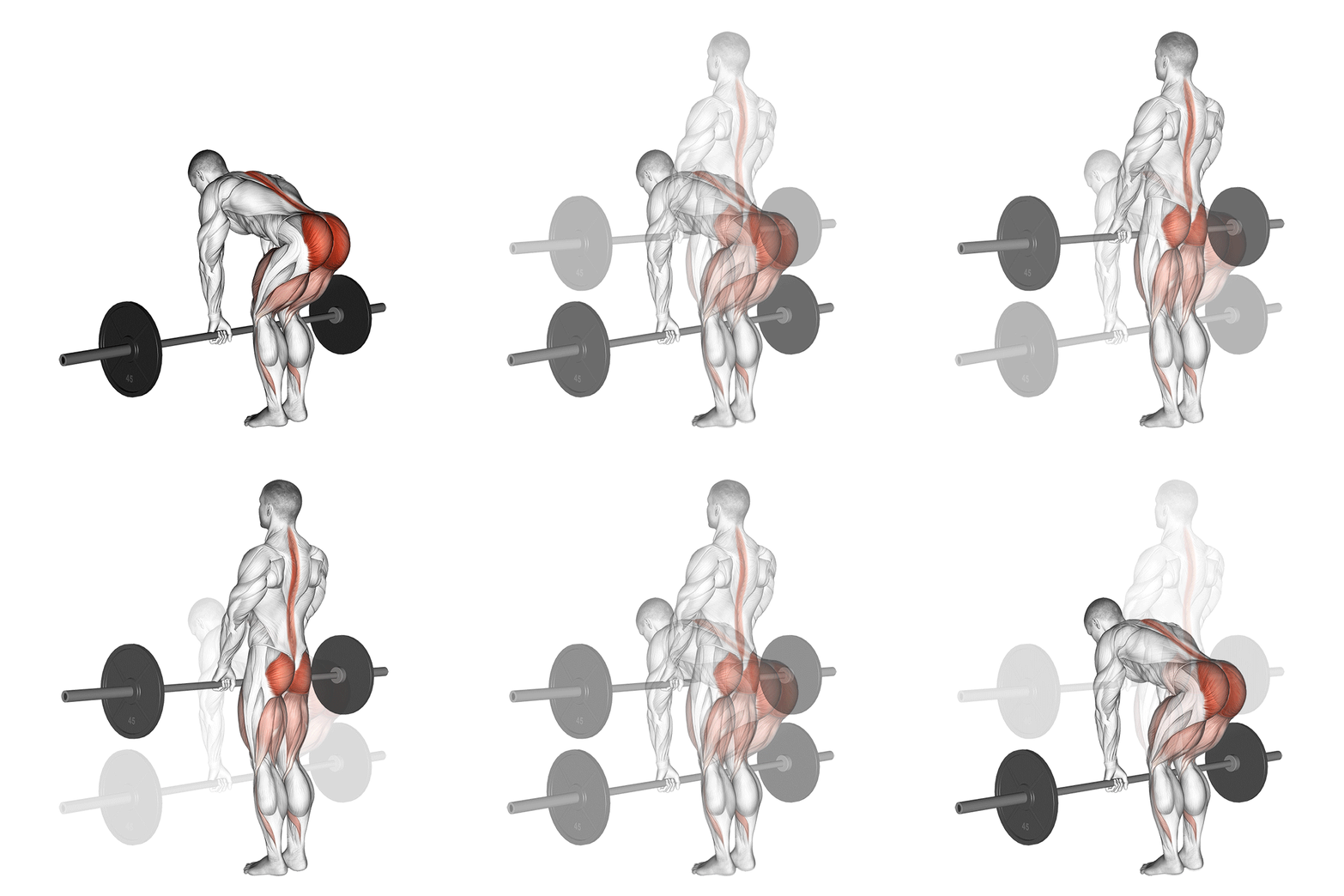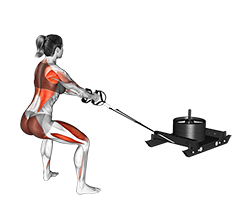
What is the sled pull?
The sled pull is the inverse of the push: you stand behind the sled, attach a rope, walk backward to the wall, hand-over-hand the sled to you, then walk back and repeat until 50 m is covered. It hammers the posterior chain, quads under deep flexion, biceps and forearms. In Hyrox it sits right after the sled push, so you arrive with trashed legs and a 170+ heart rate. Pacing the rope-pull and the walk-back is the whole game.
How to do the sled pull
- 1
Anchor your stance
Sit your hips back, feet wider than shoulders, knees bent around 90 degrees. Lean back into the rope like you're rowing a boat, not standing tall.
- 2
Pull hand-over-hand fast
Grab high, drive your elbows back to your hips, then attack the next grip. Big rhythmic pulls, not tiny tugs. Keep tension on the rope so the sled never stalls.
- 3
Walk back efficiently
Once the sled hits your feet, stand, step over it and walk briskly back to the wall. This is your micro-rest. Long, controlled strides, not a jog.
- 4
Reset and repeat
Plant the feet, re-grip the rope, drop the hips and go again. Most athletes need two or three pulls to clear 50 m. Keep transitions under five seconds.
Pro tip
Train the walk-back. Most athletes blow their pull doing the easy part too slow. A brisk return banks 15 seconds across the station and keeps your heart rate from spiking on the next pull.
Common mistakes
Pulling with your arms.
Arms cooked in 20 seconds. Sit back, load the legs and hips, use the arms as cables.
Standing too upright.
You lose mechanical advantage and overload your lower back. Hips back, chest angled.
Slow walk-back.
Strolling back wastes 20+ seconds across two pulls. Make it brisk and purposeful.
Tiny hand movements.
Short tugs let static friction settle in. Pull the rope in long, deliberate sweeps.
Hyrox standards
Official Hyrox standards by division. Always confirm the current weights on the official Hyrox site before a race.
| Division | Distance | Men | Women |
|---|---|---|---|
| Open | 50 m | 103 kg | 78 kg |
| Pro | 50 m | 153 kg | 103 kg |
| Doubles / Relay | 50 m | 103 kg | 78 kg |
Prepping for a race? Follow our complete Hyrox training plan to structure your weeks all the way to race day.
Variations and progressions
Easier
Light load, full rest
Drop the weight by 30-40% and rest fully between sets. Groove the seated pulling rhythm before adding race load.
Harder
Pro load, no walk-back
Use Pro weight and pull continuously without the walk-back rest. Brutal forearm and posterior chain conditioning.
No sled?
Heavy rows + RDLs
Stack seated cable rows, heavy barbell rows and Romanian deadlifts to replicate the hip-hinge plus pull pattern.
How to program it
Three protocols by goal. Pick one per cycle and aim for progression on load or distance.
| Goal | Sets × distance | Load | Rest |
|---|---|---|---|
| Technique | 4 × 25 m | Light | Full |
| Strength-endurance | 5 × 50 m | Race weight | 90 s |
| Race simulation | Push + pull couplet, 2 rounds | Race weight | As in race |
Sled Pull FAQ
Why do my forearms blow up first?
Because you're gripping the rope like you'd grip a barbell, fingers crushed shut. Open the hand on the release phase, only crush on the pull. Train dead hangs and rope hauls weekly to push back the forearm pump.
Should I sit low or stay tall?
Sit low. The pull is a hip hinge into a row, not a standing tug. Low hips load the glutes and hamstrings, save the lower back and let you generate force from the ground instead of from your shoulders.
Is the pull harder than the push?
For most age-groupers, yes. The push punishes leg drive but it's continuous. The pull stacks grip fatigue, deep knee flexion and two separate efforts (pull then walk-back), all on legs already cooked by the push. Train it heavy and fatigued.