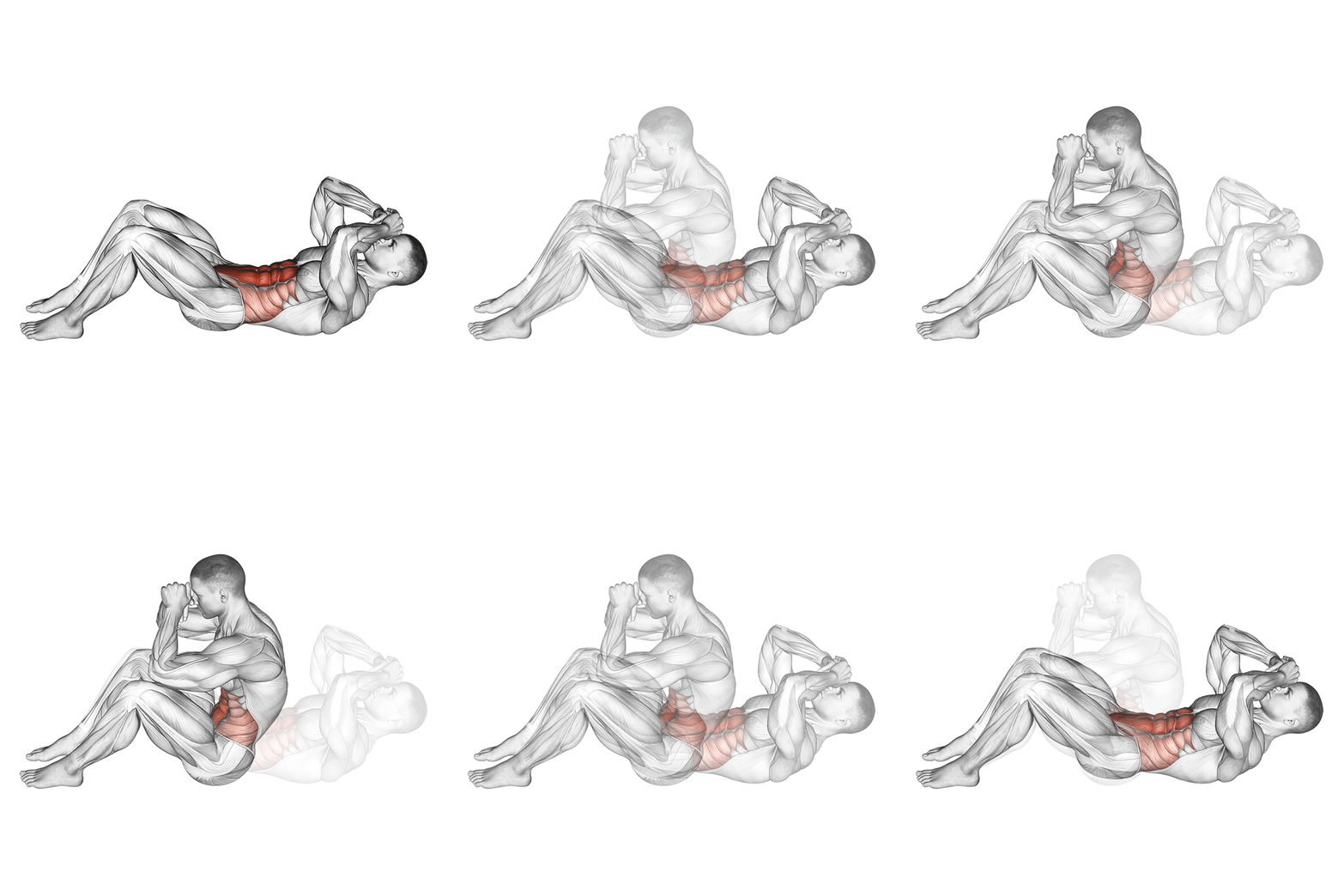
What is the sit-up?
The sit-up is a trunk-flexion movement performed from lying on the back, knees bent, feet on the floor. You roll the torso up toward the knees, then lower under control. It loads both the rectus abdominis and the hip flexors. It gets bad press because of poor form and overuse in old-school PT tests, but with a slow tempo and good range it's still a useful core exercise, especially for general fitness and combat athletes.
How to do the sit-up
- 1
Set the position
Lie on your back, knees bent at 90 degrees, feet flat. Hands by the temples or crossed over the chest. Don't lock the feet under anything.
- 2
Curl the ribs first
Initiate by curling the upper back off the floor. Think "chin to chest, ribs to hips," not "chest to knees."
- 3
Continue to the top
Once the upper back is up, finish by hinging from the hips to sit up fully. Don't yank with the neck or the arms.
- 4
Lower with control
Reverse over 2 to 3 seconds. Place the lower back, mid back, upper back, then head down in sequence.
Pro tip
Don't anchor your feet. Without feet locked in, the hip flexors can't cheat the rep and the abs have to do the work. If you can't sit up unanchored, you've been doing hip flexor raises.
Common mistakes
Pulling on the neck.
Hands behind the head become a winch for the cervical spine. Keep hands light at the temples or crossed on the chest.
Anchoring the feet.
Feet locked under a couch or bar lets the hip flexors do the work. Free feet force the abs to lead.
Bouncing through reps.
Using the elastic recoil off the floor cuts the working range in half. Pause at the bottom and reset each rep.
Straight-spine sit-ups.
Lifting the whole torso like a plank turns it into a hip flexor lift. Curl the spine segment by segment.
Variations and progressions
Easier
Crunch
Stop at the top of the curl, no hip hinge. Less hip flexor involvement, easier on the lower back. The cleaner choice for beginners.
Harder
Weighted decline sit-up
On a decline bench with a plate held at the chest or overhead. Massively harder, watch for lumbar strain.
Back issues?
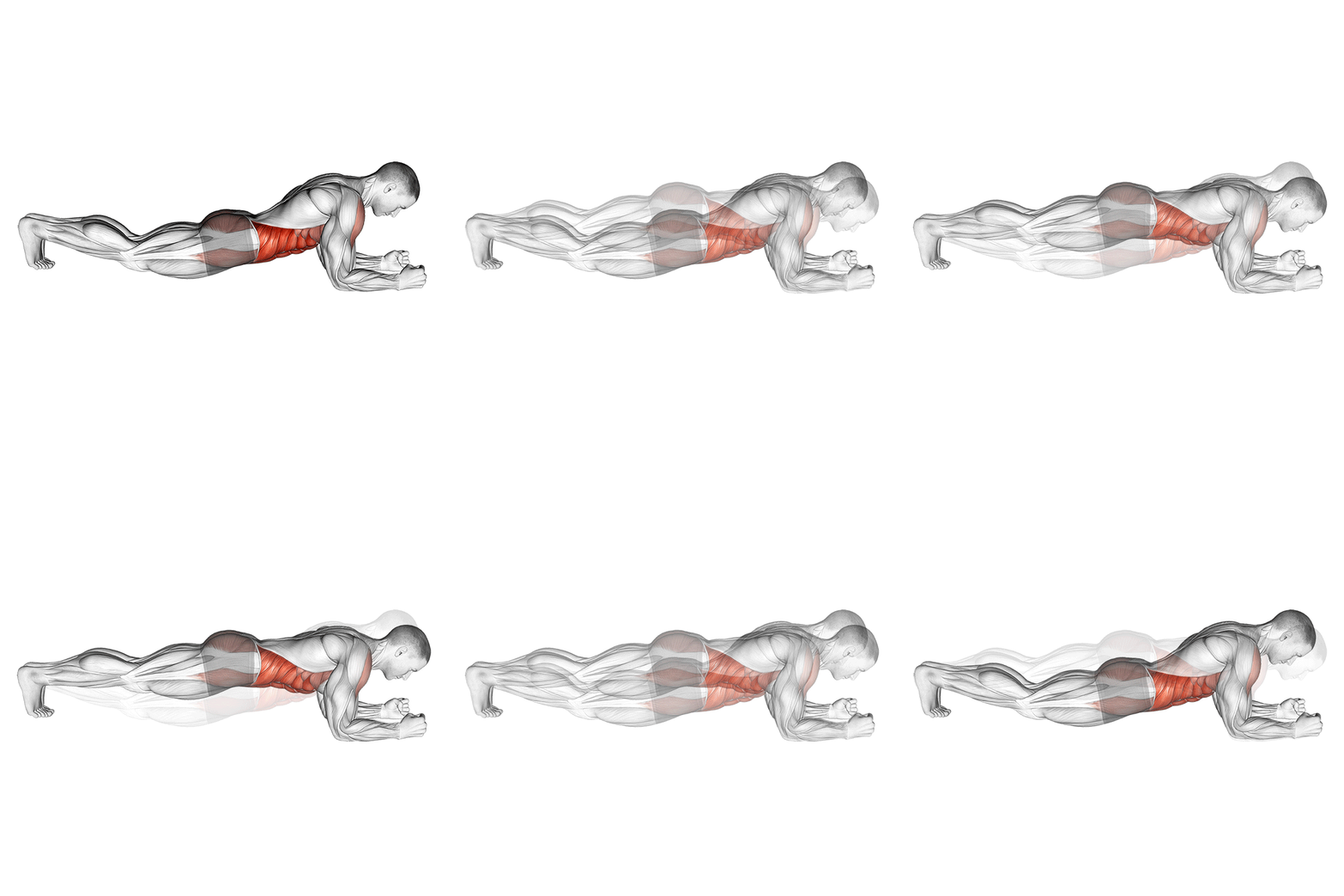
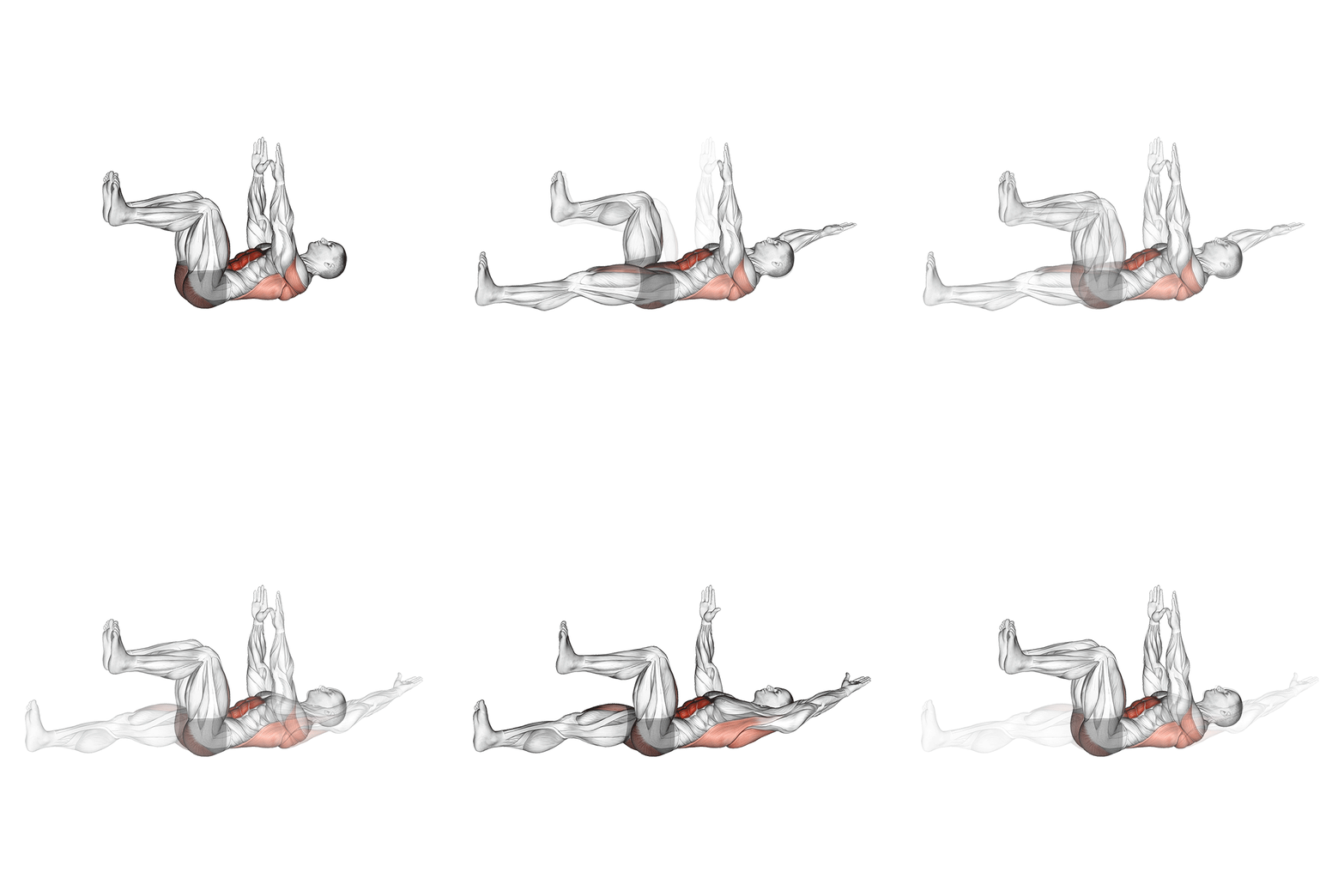
Dead bug or plank
Dead bugs and planks build the same trunk control without spinal flexion. Better choice if sit-ups aggravate your back.
How to program it
Three protocols by goal. Pick one per cycle and aim for progression on load or distance.
| Goal | Sets × distance | Load | Rest |
|---|---|---|---|
| General fitness | 3 × 15-20 | Bodyweight | 45 s |
| Hypertrophy | 4 × 10-12 | 5-10 kg plate at chest | 60 s |
| Endurance test prep | AMRAP in 2 min × 3 | Bodyweight | 2 min |
Sit-Up FAQ
Are sit-ups bad for the back?
For a healthy back, no, sit-ups are fine in moderate volumes. The research often cited against them used machine-like grinding with hundreds of reps. A few sets of slow, controlled sit-ups per week pose minimal risk. If you have disc issues or chronic lumbar pain, swap them for dead bugs or planks instead.
Sit-up versus crunch?
Crunches isolate the abs by stopping at the top of the spinal curl. Sit-ups add hip flexion at the end, which works the hip flexors and gives a longer range. For pure abs, crunches are cleaner. For functional carryover, sit-ups are more relevant. Both have a place if you want a complete program.
How many sit-ups should I be able to do?
Performance varies wildly by training history. A baseline target for general fitness: 30 to 50 strict reps unbroken. Combat-sport and military standards often ask for 60 to 80 in 2 minutes. Past 100 reps the value drops fast, total core training is more about quality than volume.