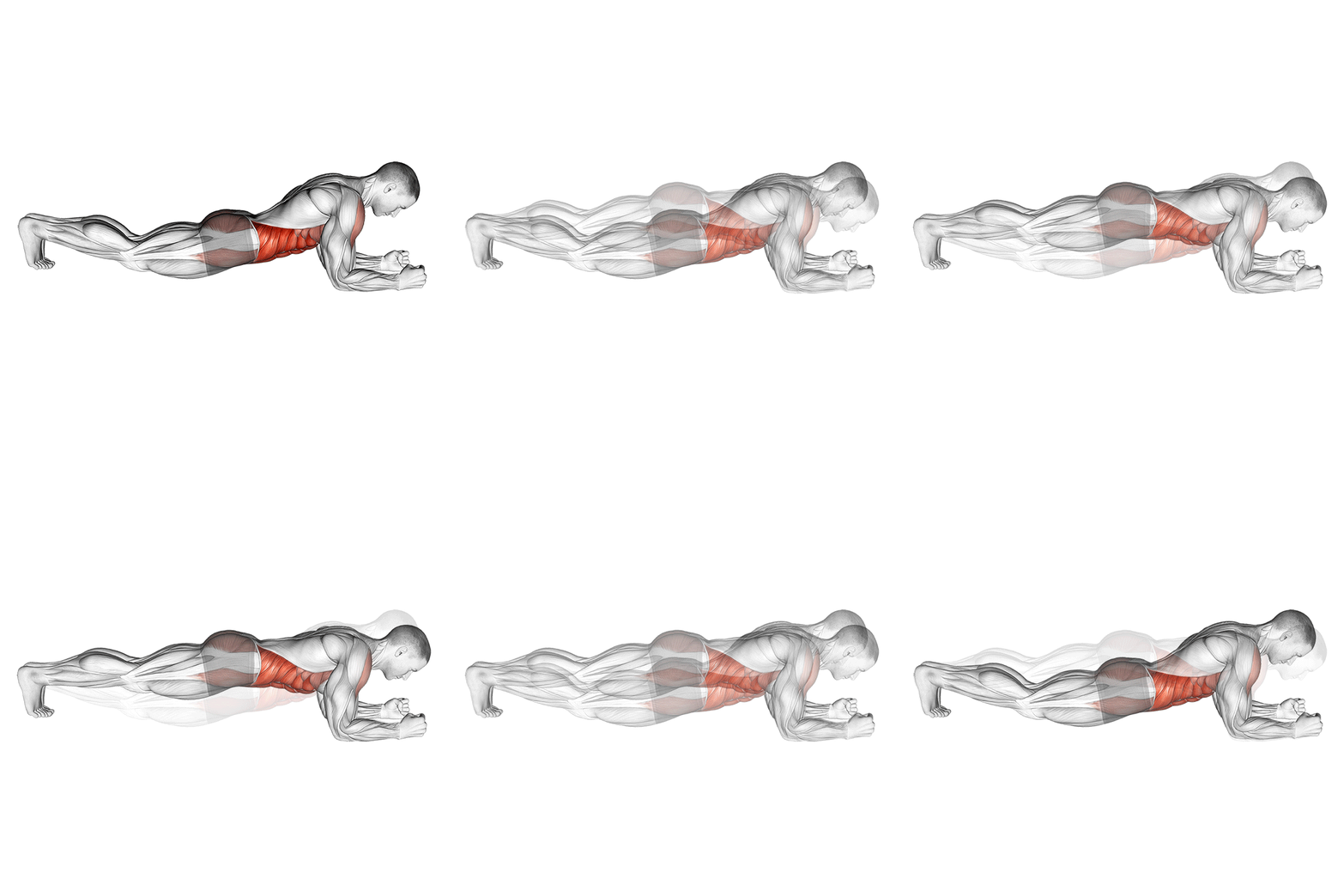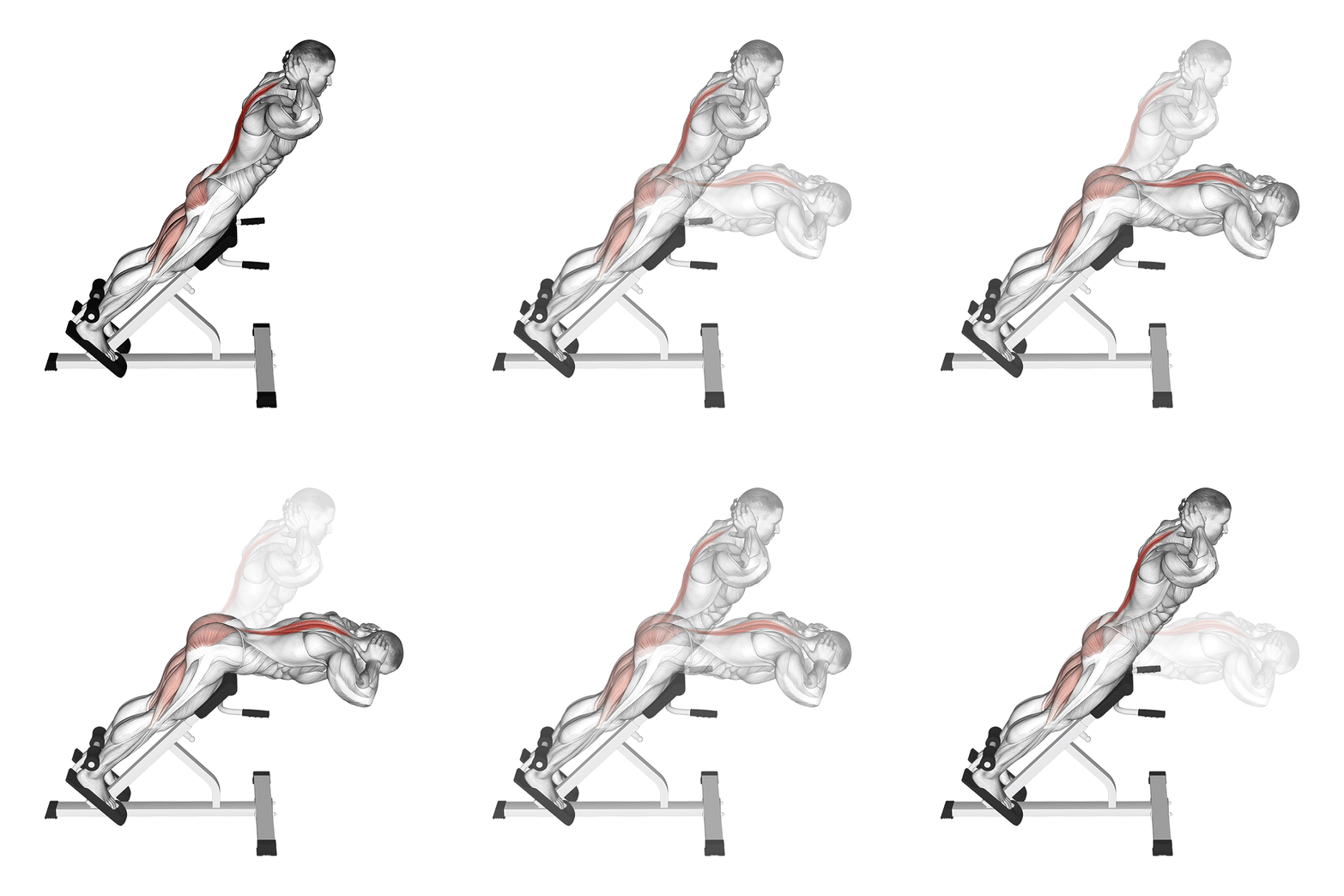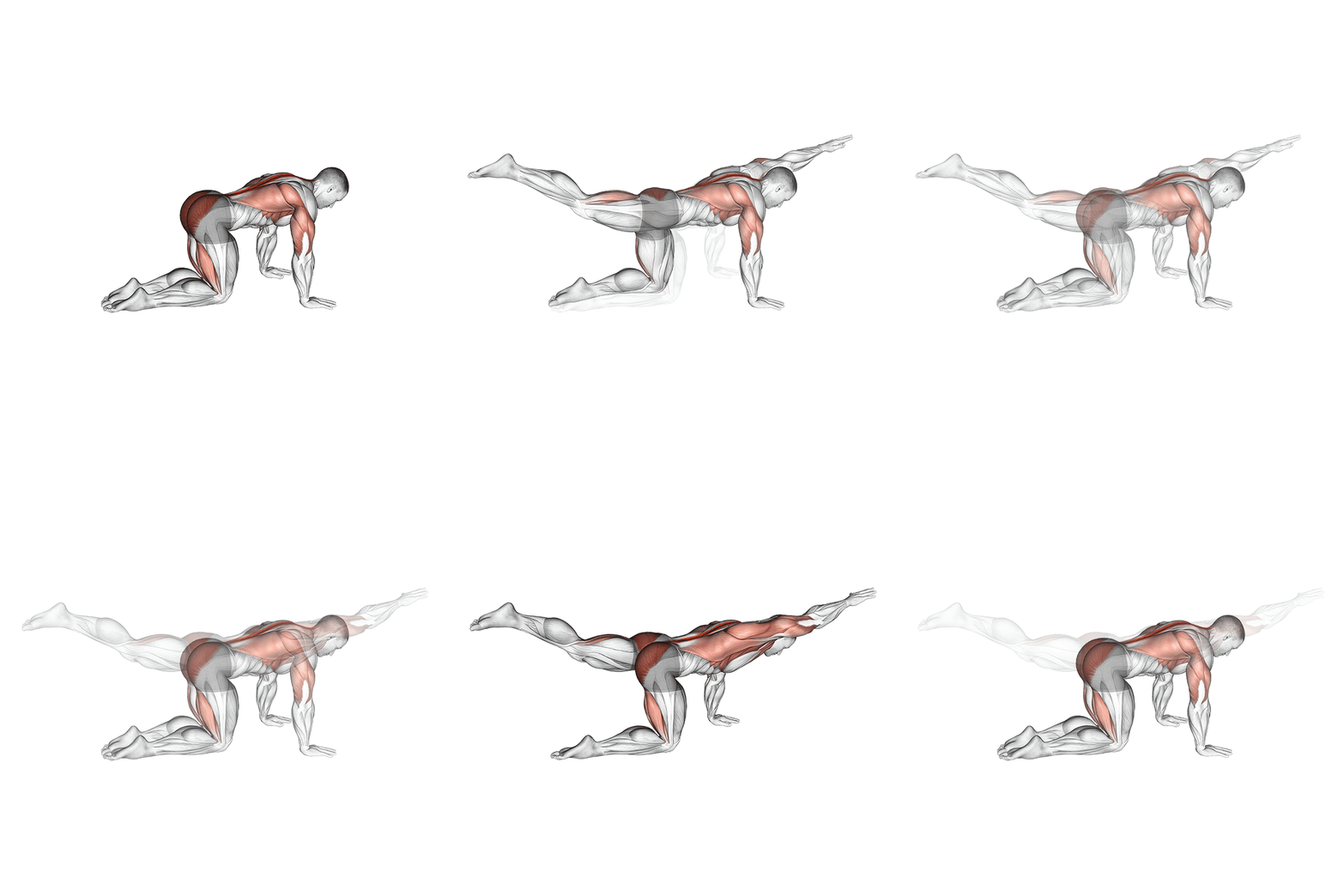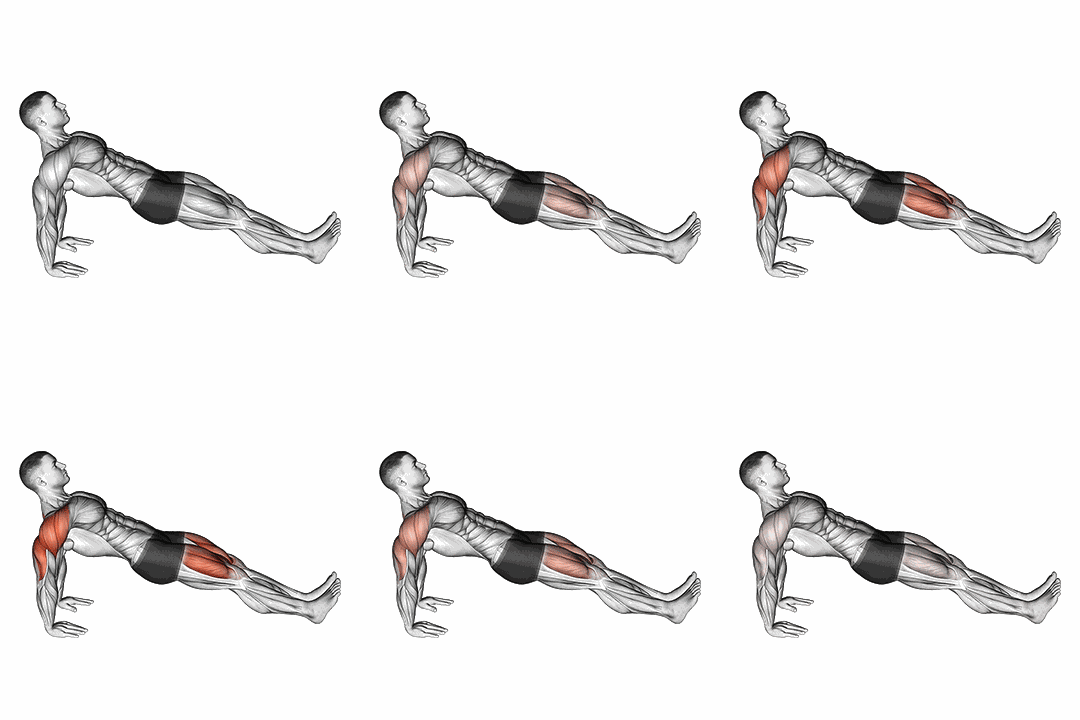
What is the reverse plank?
The reverse plank is a face-up isometric hold where you support your bodyweight on your hands and heels, body forming a straight line from heels to head. It targets the entire posterior chain (glutes, hamstrings, lower back, rear delts) and counterbalances the desk-bound hunching that wrecks most modern athletes. It's a high-leverage move in mobility work, postural rehab and core programs, and it pairs perfectly with the standard front plank to build a balanced midline.
How to do the reverse plank
- 1
Sit and place hands
Sit with legs extended in front of you, feet together. Place your hands flat on the floor behind your hips, fingers pointing toward your feet, arms straight.
- 2
Drive hips up
Squeeze your glutes and lift your hips until your body forms a straight line from heels to head. Toes pointed, legs locked, chest open.
- 3
Open the chest
Pull your shoulder blades back and down, lift the sternum, and gently tilt the head back without pinching the neck. Push the floor away through the heels of your palms.
- 4
Hold steady
Brace the core, breathe through the diaphragm, hold the position. Lower with control before the hips start to sag, never collapse out of the hold.
Pro tip
Tight wrists kill the hold for most people. Warm them up with circles and prayer stretches before sets, or place your hands on fists or parallettes if flat hands won't work.
Common mistakes
Sagging hips.
Hips dropping turns it into a stretch, not a hold. Squeeze the glutes constantly, drive the pelvis to the ceiling.
Head dropping back.
Letting the head fall pinches the neck and adds zero benefit. Long neck, eyes up or slightly forward.
Bent knees.
Knees bend when the glutes can't fire. Drop the hold time and master a 30-second straight-leg version before going longer.
Wrists collapsing.
If wrists ache, you're loading them passively. Push the floor actively, distribute pressure across the whole hand.
Variations and progressions
Easier
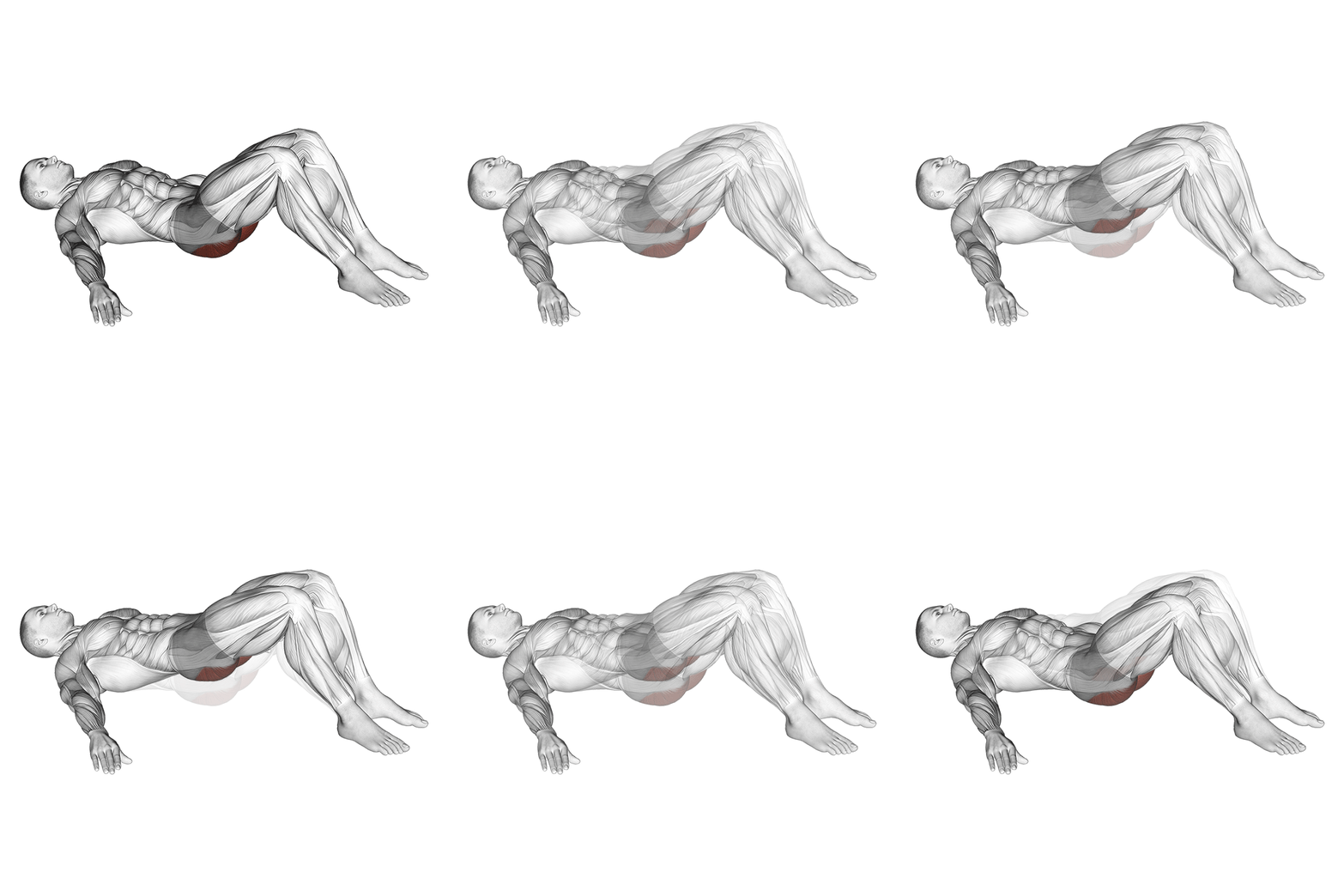
Tabletop bridge
Bend the knees so they sit at 90° over the ankles. Much shorter lever, easier to hold while learning glute activation.
Harder
Single-leg reverse plank
Hold the position and lift one leg toward the ceiling. Brutal for the support glute, exposes asymmetries fast.
Wrist issues?
Forearm reverse plank
Drop to forearms instead of hands. Removes the wrist load and lets you focus on glute drive and chest opening.
How to program it
Three protocols by goal. Pick one per cycle and aim for progression on load or distance.
| Goal | Sets × distance | Load | Rest |
|---|---|---|---|
| Activation / mobility | 3 × 20 s | Bodyweight | 30 s |
| Endurance | 3 × 45-60 s | Bodyweight | 60 s |
| Loaded posterior chain | 3 × 30 s | 10-15 kg plate on hips | 90 s |
Reverse Plank FAQ
What does the reverse plank actually train?
Primarily glutes and hamstrings as isometric hip extensors, plus the rear delts, mid-back and triceps holding the chest open. The 'core' part is secondary. Treat it as a posterior-chain activation tool and an antidote to slumped sitting, not as your main ab exercise.
Why do my shoulders hurt during the hold?
Usually because the shoulders are internally rotated and elevated, dumping load into the joint capsule. External-rotate the upper arms (pits face forward), depress the scapulae, and turn the hands slightly outward if needed. If pain persists, scale to the forearm version.
How does this compare to a glute bridge?
Glute bridge isolates the glutes through a vertical range. The reverse plank holds the same hip-extension end position but adds shoulder, upper-back and triceps demand. Use bridges to train glute strength, use reverse planks to integrate the posterior chain into a long-line postural hold.