What is the pallof press?
The Pallof press is an isometric anti-rotation drill. You stand sideways to a cable or band, hold the handle at your sternum, and press it straight out while resisting the pull that tries to twist you. There's no visible movement at the trunk, that's the point. It trains the deep core to lock the spine while the limbs work, exactly what happens on a sled push, a heavy carry or a single-leg run stride.
How to do the pallof press
- 1
Set the cable at sternum height
Anchor a cable or band at chest level. Stand perpendicular to it, step away until there's real tension on the line.
- 2
Stack and brace
Feet shoulder-width, knees soft, ribs down, glutes squeezed. Pull the handle to your sternum with both hands.
- 3
Press straight out, slow
Extend the arms fully in front of your chest. The cable will try to rotate you toward the anchor, refuse it.
- 4
Hold, then return
Pause two seconds at full extension, breathing through a tight core, then pull back to the sternum under control.
Pro tip
If you can press without a pause, the load's too light or your brace is loose. Two seconds at full extension is where the work happens.
Common mistakes
Twisting toward the anchor.
If your shoulders rotate during the press, drop the load. Form beats numbers on this one.
Holding your breath.
Brace, then breathe. A core that only works on apnoea fails in a race.
Cable too low or too high.
Anything off sternum height pulls you into hip flexion or shoulder shrug. Reset the pulley.
Ribs flaring.
An open ribcage means your obliques aren't doing their job. Tuck the ribs before you press.
Variations and progressions
Easier
Half-kneeling Pallof
Drop to a half-kneeling stance. Smaller base, but less leg involvement so you can isolate the trunk.
Harder
Overhead Pallof
Press the handle straight overhead instead of forward. The lever arm doubles and so does the anti-rotation demand.
No cable?
Band Pallof or suitcase carry
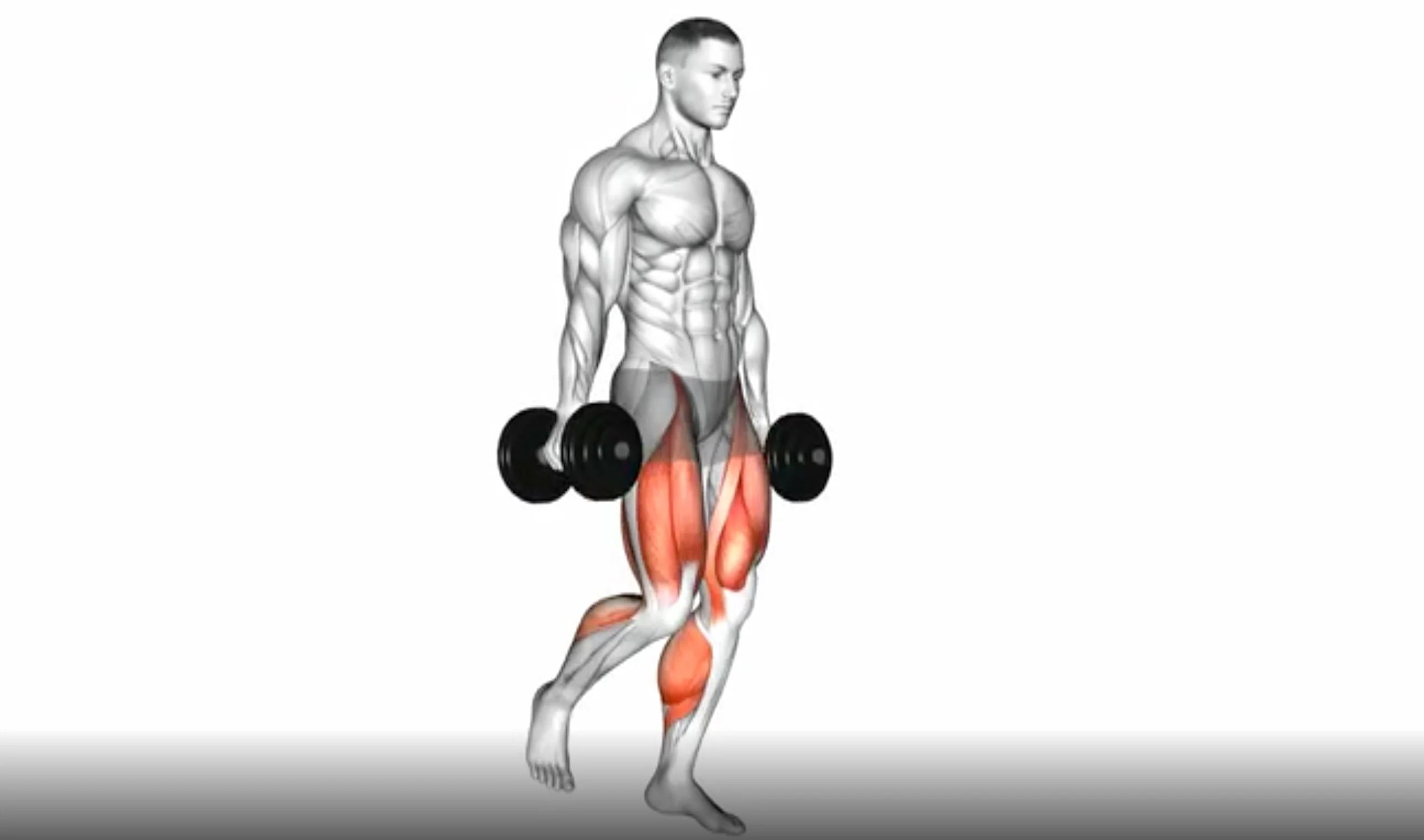
Use a band looped around a rack, or load a single dumbbell and walk, the offset load is the same idea.
How to program it
Three protocols by goal. Pick one per cycle and aim for progression on load or distance.
| Goal | Sets × distance | Load | Rest |
|---|---|---|---|
| Technique | 3 × 8 reps / side | Light | 45 s |
| Anti-rotation strength | 4 × 10 reps with 2 s hold | Moderate | 60 s |
| Iso endurance | 3 × 30 s hold / side | Moderate | 45 s |
Pallof Press FAQ
Why isn't there a visible movement at the trunk?
Because the goal is anti-rotation, not rotation. The core is built to resist forces that twist the spine, that's its job on every sled push, carry and run stride. If you see the trunk move, you're training rotation instead and the drill loses its purpose.
How heavy should I go?
Light enough that you can hold the full extension for two seconds without any visible twist. If your shoulders rotate or your hips shift toward the anchor, drop the load by 5 kg. This isn't a press, it's a brace test.
Where does the Pallof press fit in a Hyrox plan?
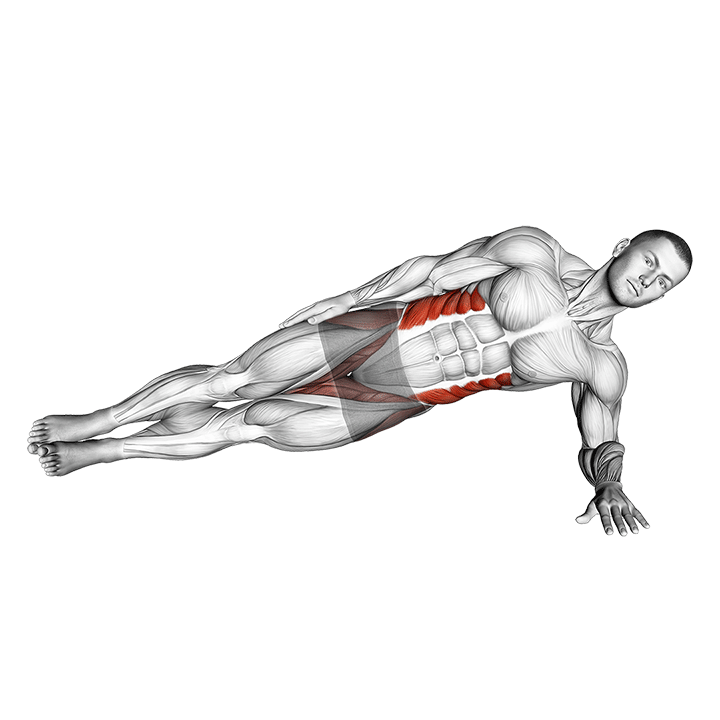
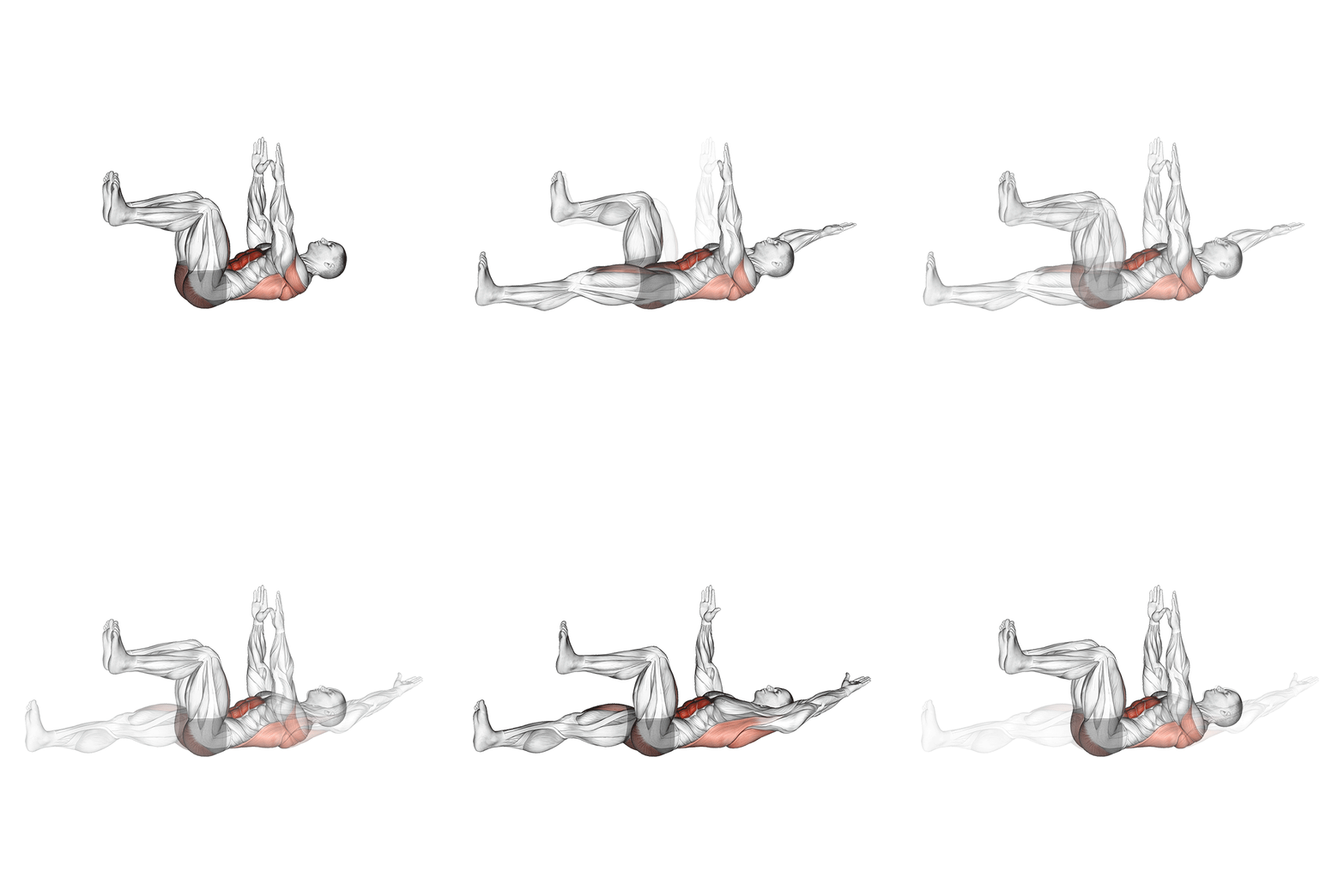
Use it as a finisher twice a week, or as part of a core circuit on lower-intensity days. It pairs well with hanging leg raises and side planks. Avoid stacking it right before heavy compound work, you want the brace fresh for squats and deadlifts.