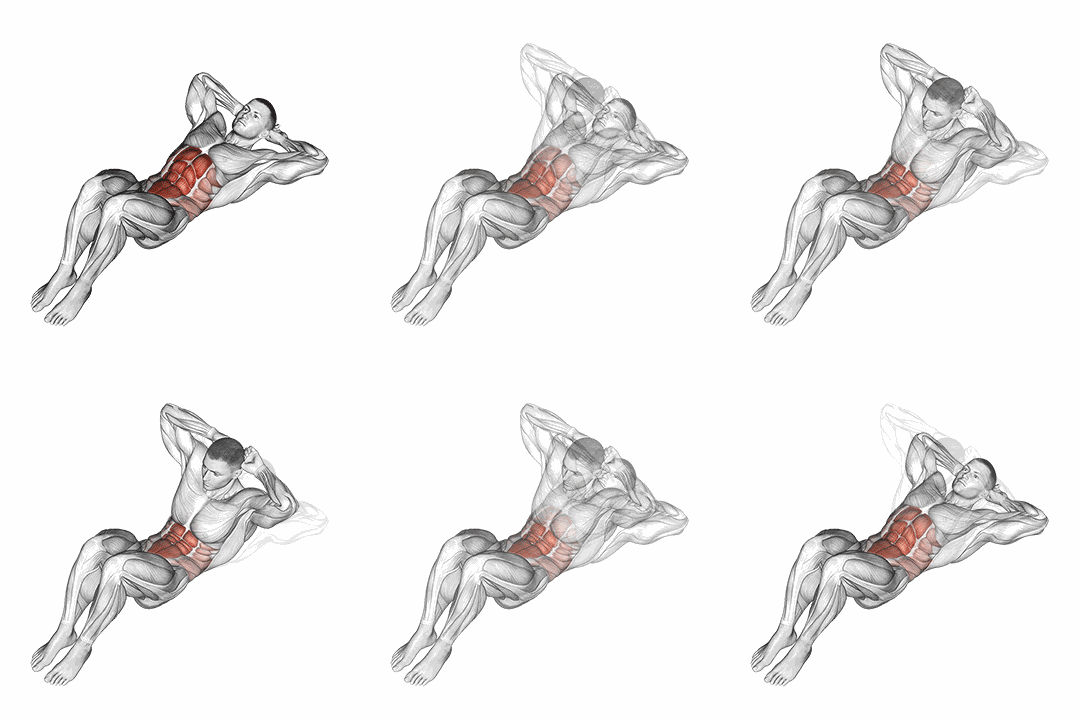
What is the crunch?
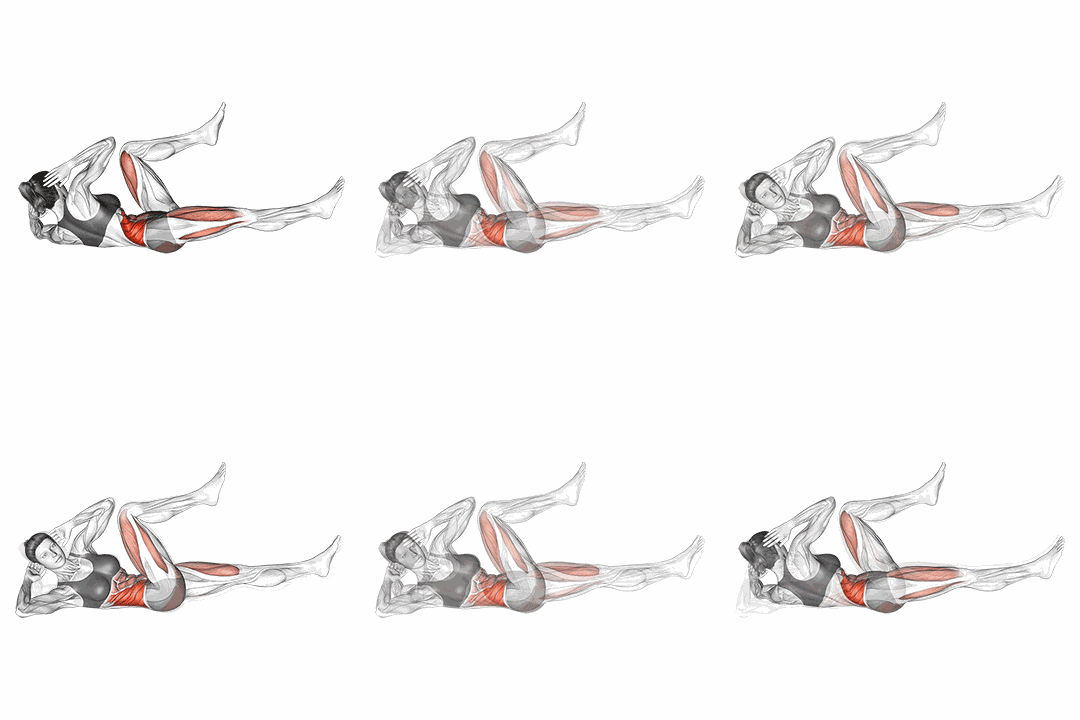
The crunch is a short-range supine trunk flexion. You lie on your back, knees bent, feet flat, and curl only the shoulder blades off the floor by pulling the rib cage toward the pelvis. Unlike a sit-up, the lumbar stays glued down, so the load lands almost entirely on the rectus abdominis. It is the cleanest cue to teach what abs contracting actually feels like, and a great accessory for hypertrophy at low risk.
How to do the crunch
- 1
Set the start
On your back, knees bent 90 degrees, feet flat, fingers light at the temples. Press the lower back into the floor.
- 2
Curl the rib cage
Lift only the shoulder blades off the floor by shortening the distance between sternum and belt buckle.
- 3
Squeeze the top
Hold for a one-second contraction at the top. This is where the rectus does the most work.
- 4
Lower under control
Take 2 to 3 seconds to lower the shoulder blades back. The eccentric is where the muscle grows.
Pro tip
Forget the rep count. Aim for 12 to 15 reps with a 2-second hold at the top. If you have to pull on the neck to finish a rep, the set is over, stop and start a new one after rest.
Common mistakes
Pulling on the neck.
Yanking the head forward strains the cervicals and bypasses the abs. Keep the chin a fist away from the chest, fingers as rest only.
Going too high.
If the lower back lifts off the floor you turned the crunch into a sit-up and lost the focus on the rectus.
Holding the breath.
Apnea spikes blood pressure and kills volume. Exhale on the way up, inhale on the way down.
Bouncing reps.
Using momentum lets the hip flexors and the spine help out. Slow tempo, no bounce.
Variations and progressions
Easier
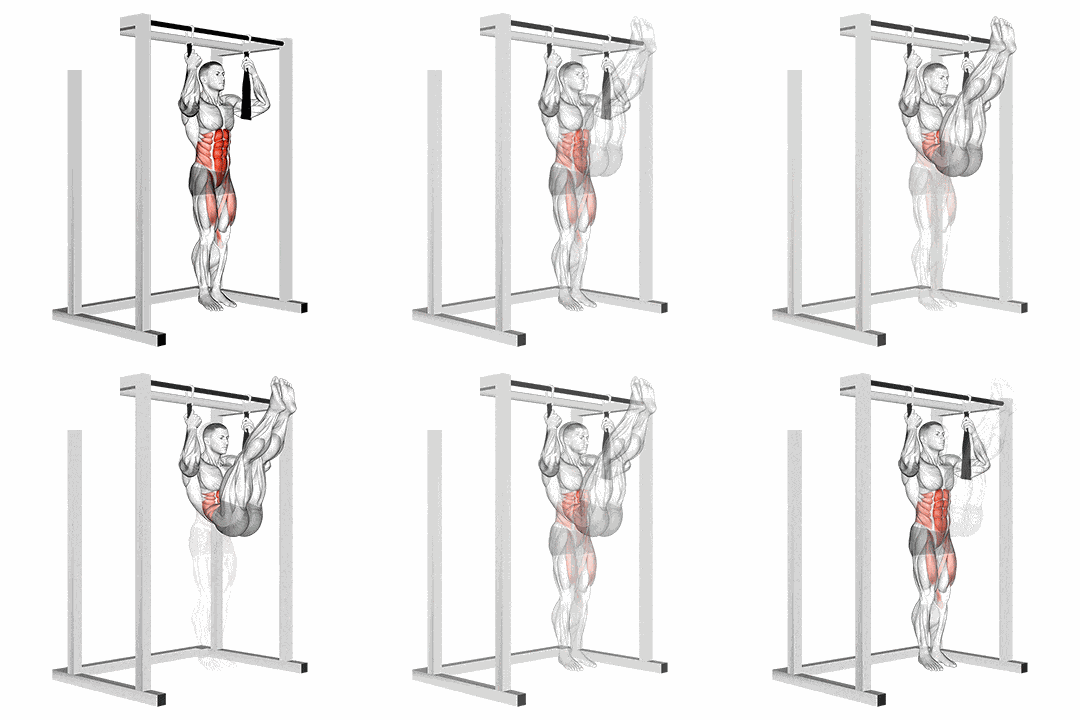
Reverse crunch (knees up)
Bring the knees to the chest by curling the pelvis up. Less neck stress, same lower-ab focus.
Harder
Weighted decline crunch
On a decline bench with a plate held at the chest. Longer range, heavier load, real hypertrophy.
Sensitive neck?
Cable crunch on knees
Kneel facing a high pulley with a rope. Loaded spinal flexion with zero neck strain and adjustable resistance.
How to program it
Three protocols by goal. Pick one per cycle and aim for progression on load or distance.
| Goal | Sets × distance | Load | Rest |
|---|---|---|---|
| Beginner activation | 3 × 15 | Bodyweight | 45 s |
| Hypertrophy | 4 × 12-15 weighted | 5-10 kg plate | 60 s |
| Finisher | AMRAP 60 s × 3 | Bodyweight | 60 s |
Crunch FAQ
Are crunches bad for the back?
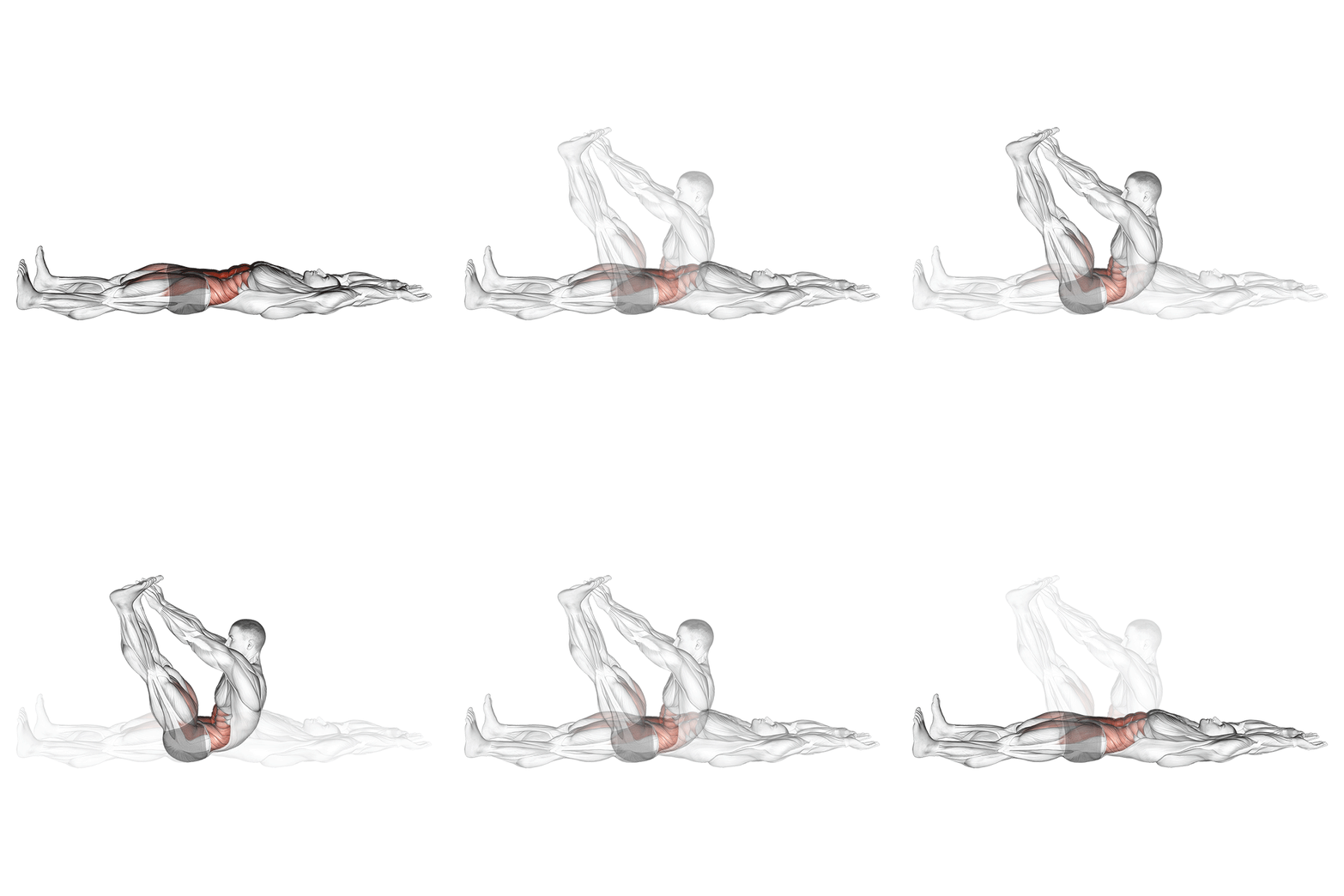
Done correctly, no. The myth comes from old McGill studies on full sit-ups, which load the discs in flexion. A short-range crunch with the lumbar pinned to the floor produces far less disc stress. If you have a known disc issue, swap for a plank or dead bug. Otherwise, controlled crunches are safe in moderate volume.
How many crunches per day to see abs?
Zero is the right answer if the body fat is too high. Visible abs come from a calorie deficit, not from rep count. Use 60 to 100 quality reps per week, paired with full body training, daily steps and controlled food intake. Doing 500 crunches a day with no diet change shows nothing new in the mirror.
Crunch vs plank, which is better?
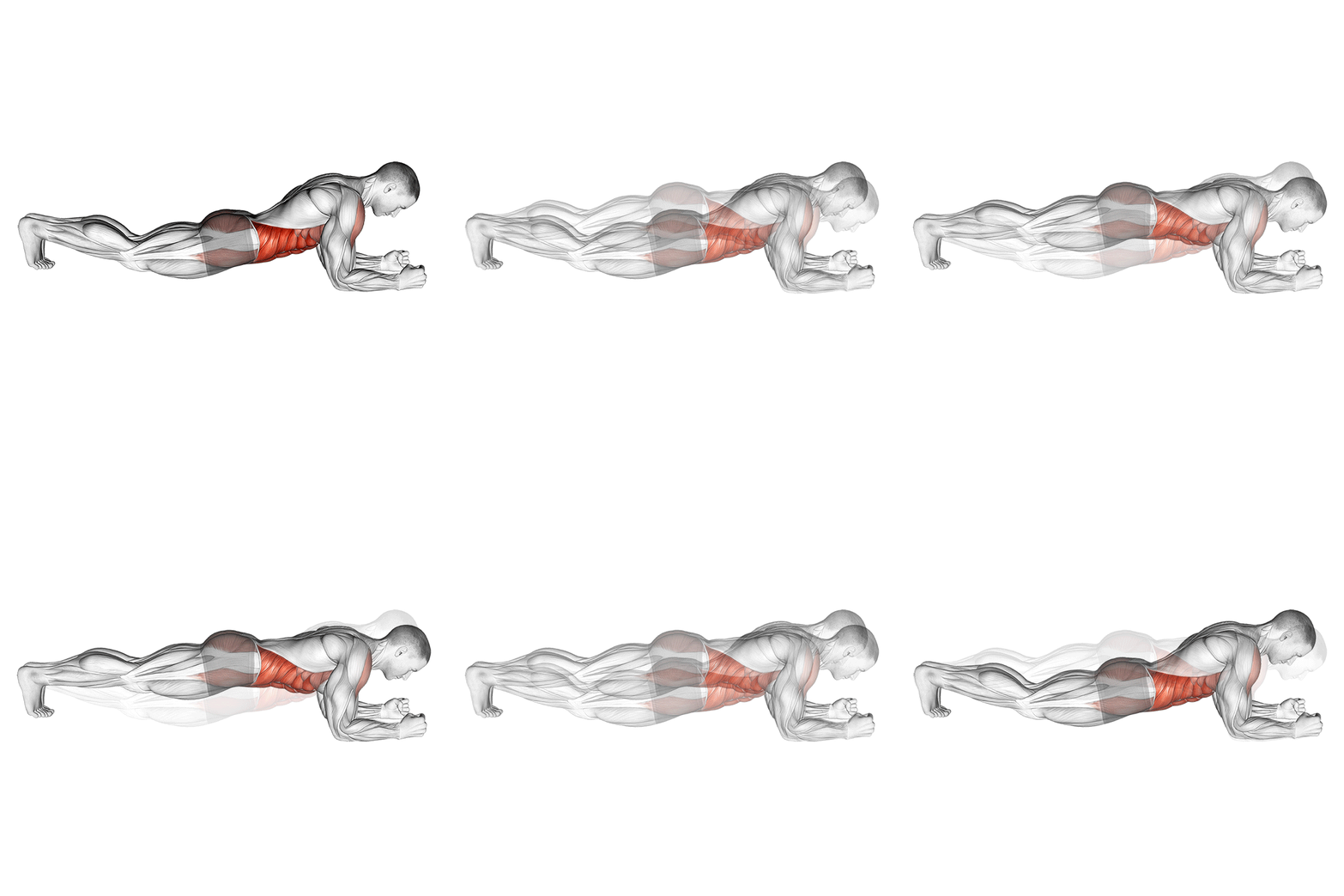
Different jobs. The plank trains anti-extension and trunk stiffness, useful for big lifts and carries. The crunch loads the rectus abdominis through a flexion range, useful for hypertrophy and visible abs. The best core programme uses both: a stiffness drill plus a flexion drill, twice a week each.