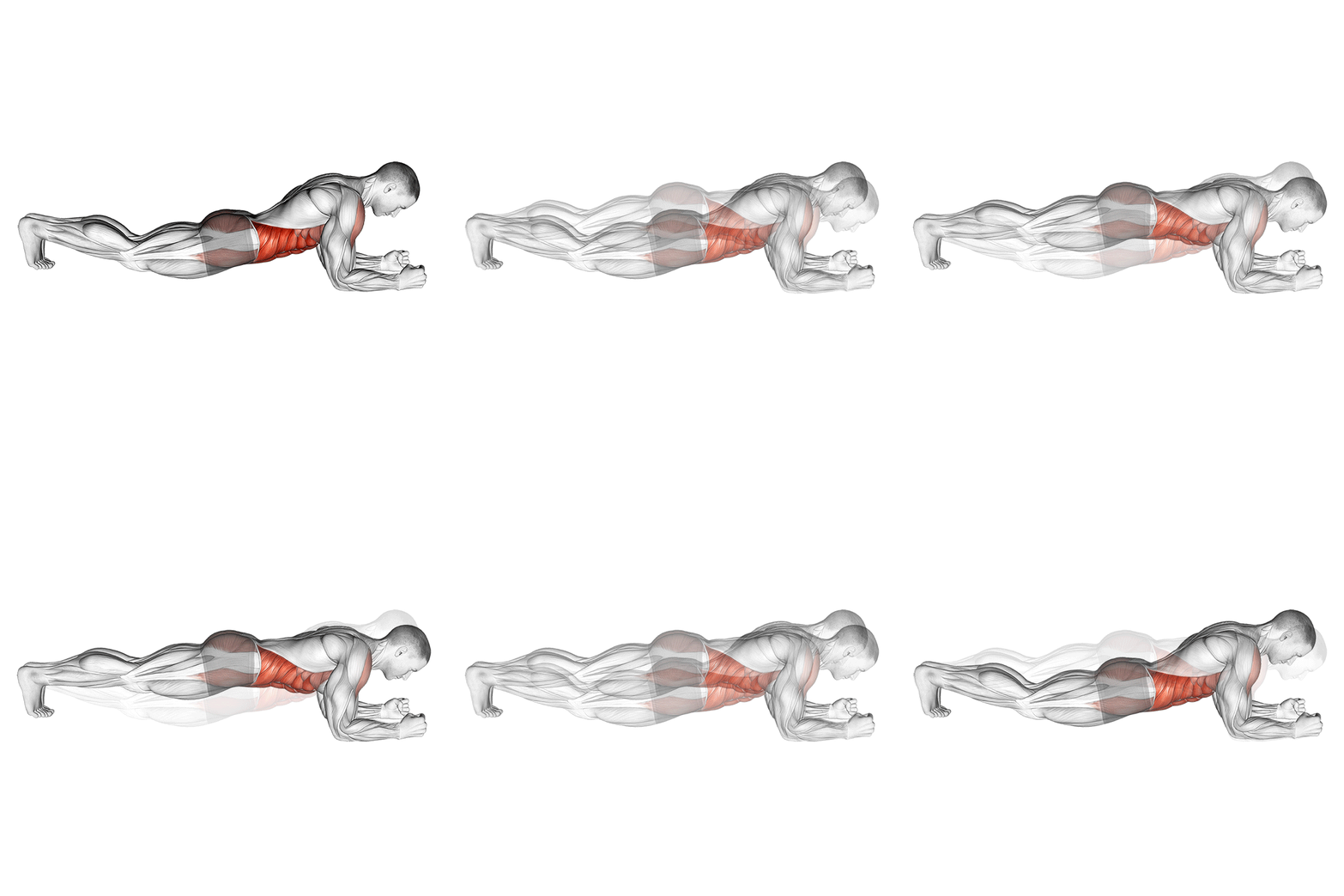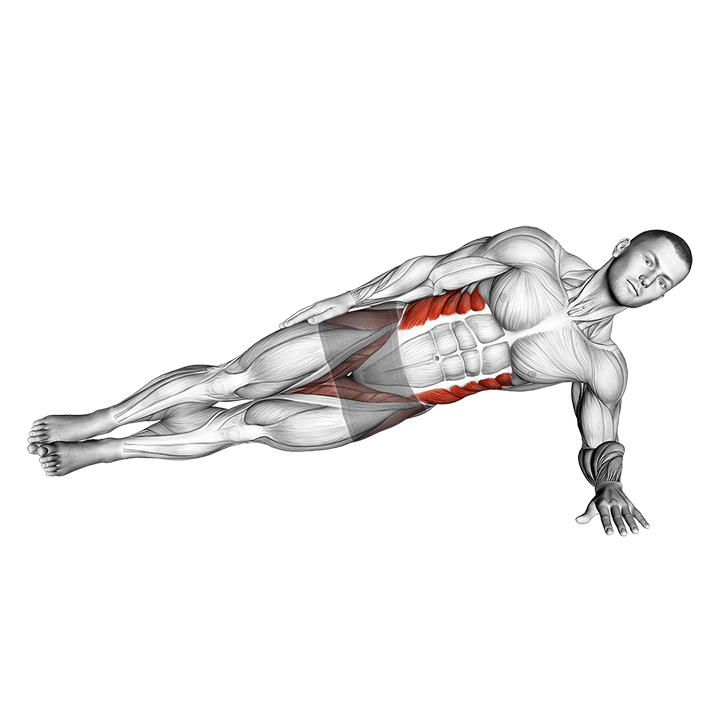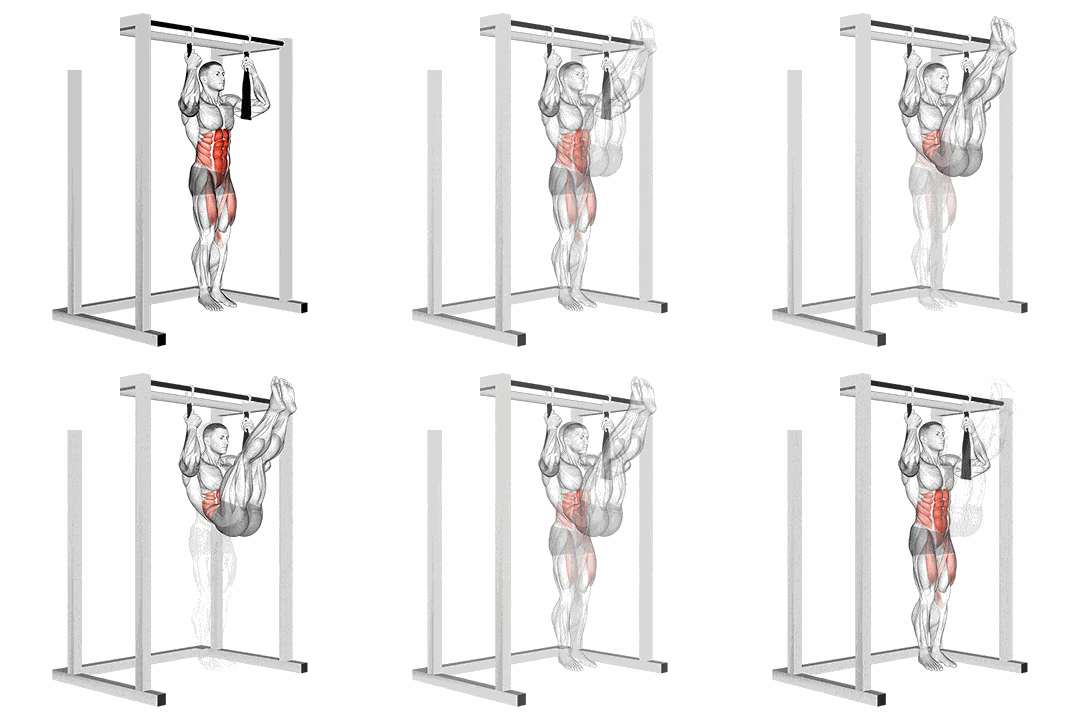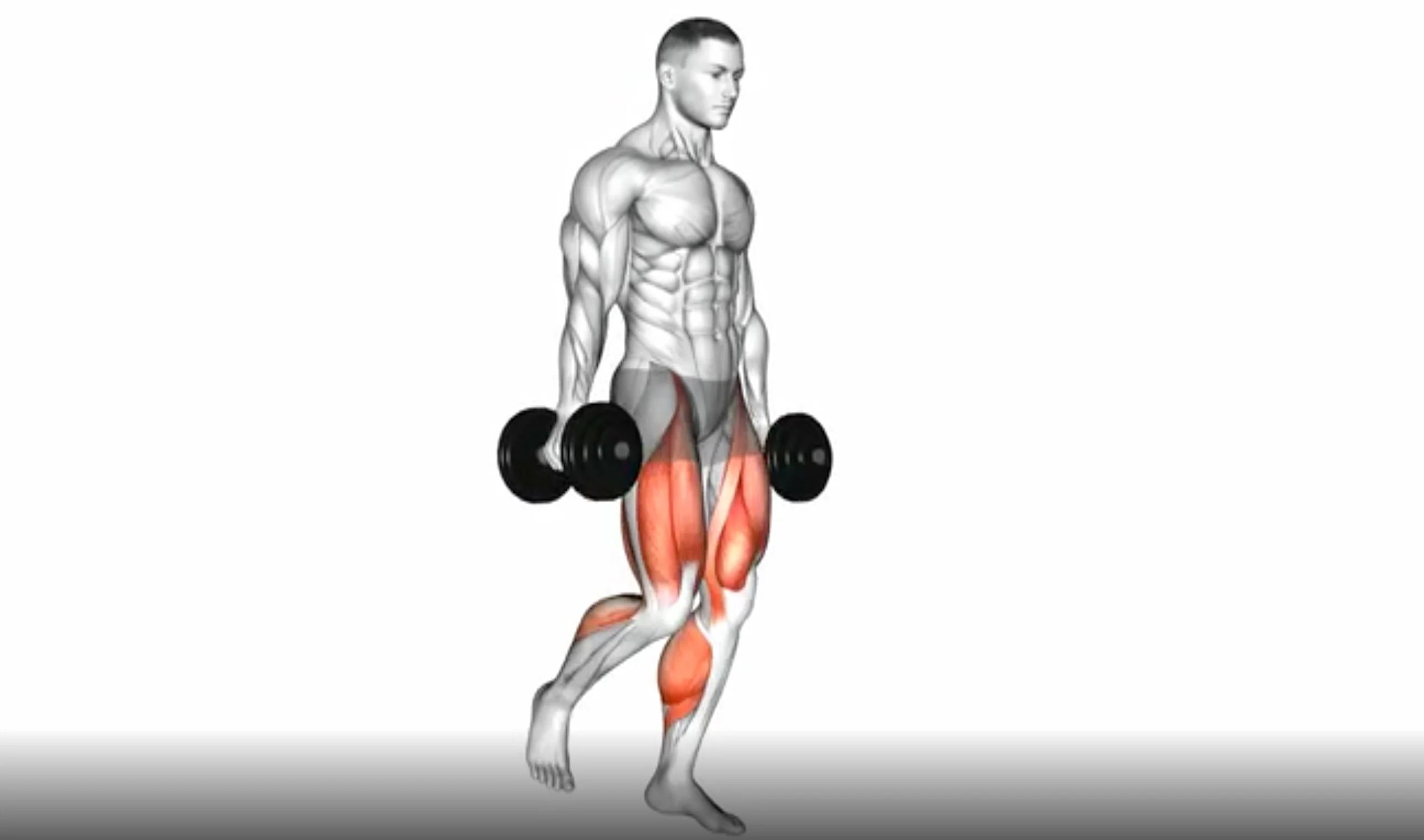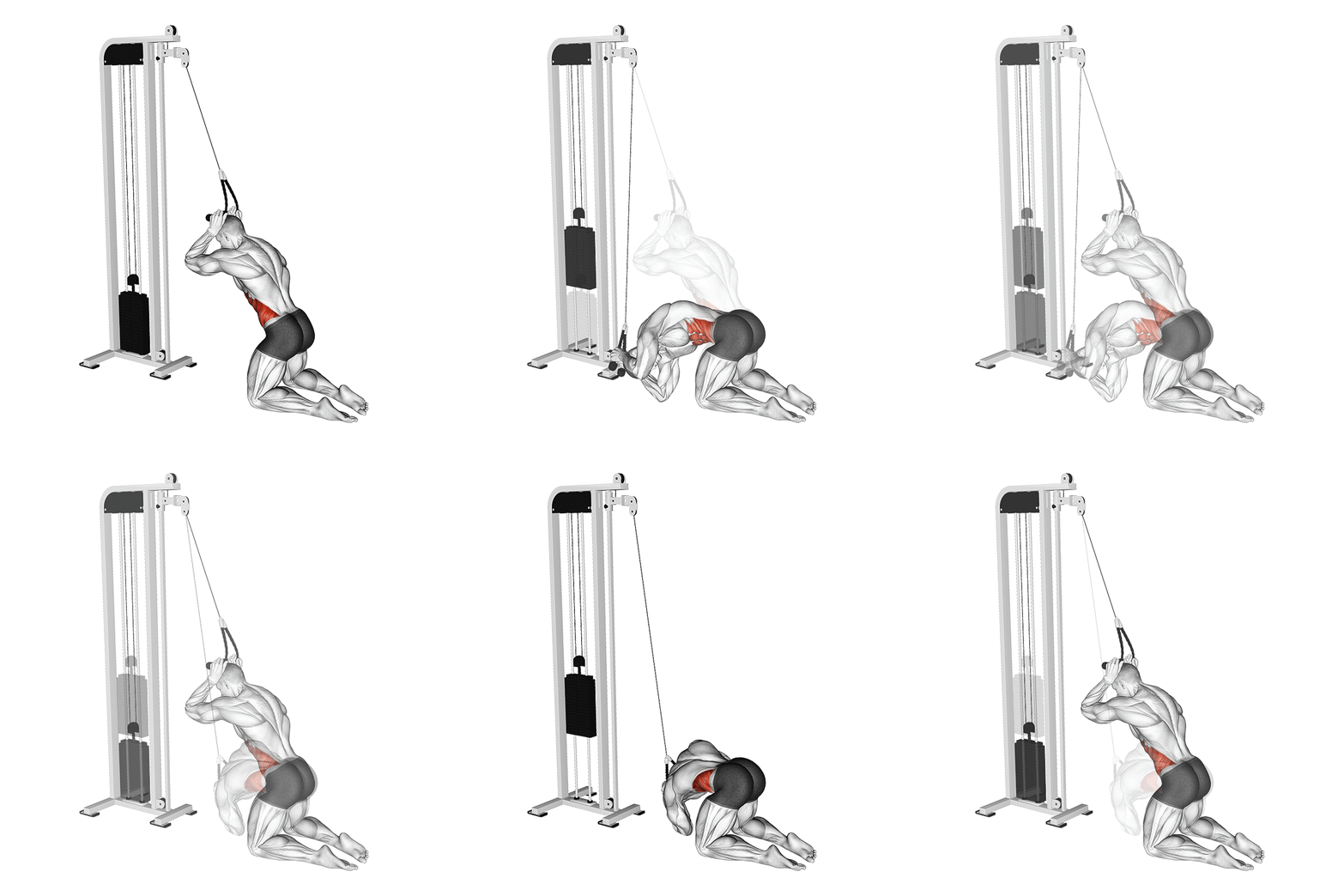
What is the cable kneeling side crunch?
The cable kneeling side crunch is a frontal-plane core exercise performed kneeling sideways to a high pulley with a rope attached. You grip the rope behind one shoulder and crunch the torso laterally toward the same-side hip, contracting the obliques against the cable load. Unlike unloaded side bends, the constant tension and external resistance make it a true strength exercise for the obliques, not just an endurance drill. It builds rotational stability for sprinting, throwing, striking and heavy carries.
How to do the cable kneeling side crunch
- 1
Set the rope high
Attach a rope to the high pulley. Kneel sideways, working side closest to the stack, about an arm's length away.
- 2
Grip behind the shoulder
Hold one rope end in each hand and bring them behind the shoulder closest to the pulley. Keep both hips square, facing forward.
- 3
Crunch toward the hip
Bend laterally toward your same-side hip, driving the elbow down toward the hipbone. Don't twist, the motion is pure side bend.
- 4
Return slow, repeat, switch
Three-second return to full lateral stretch, no rest between reps. Finish all reps on one side, then turn and repeat the other side.
Pro tip
The obliques bend the spine sideways, they don't twist it. If you find yourself rotating, drop the weight and focus on a pure side crunch.
Common mistakes
Twisting instead of bending.
Rotation engages the wrong muscles and stresses the spine. Stay square, bend sideways only.
Pulling with the arms.
The arms only anchor the rope. The crunch comes from the obliques squeezing.
Hips drifting back.
If the hips break the kneeling position, the move turns into a hip hinge. Keep the hips locked, only the spine bends.
Too heavy too soon.
Big stacks tempt people to use the lower back. Earn the load by mastering the pattern at light weight first.
Variations and progressions
Easier
Standing dumbbell side bend
Single dumbbell at the side, bend laterally toward the weighted side. Easier to learn, less tension at the top.
Harder
Standing cable side crunch
Same setup but standing, single hand on the rope, longer lever, more challenge to the obliques.
No cable?
Suitcase carry
Heavy dumbbell in one hand, walk 30 m staying perfectly upright. Anti-lateral-flexion is the same job from the opposite angle.
How to program it
Three protocols by goal. Pick one per cycle and aim for progression on load or distance.
| Goal | Sets × distance | Load | Rest |
|---|---|---|---|
| Hypertrophy | 3 × 12 each side | RPE 8 | 60 s |
| Strength | 4 × 8 each side | Heavy, controlled | 90 s |
| Endurance | 2 × 20 each side | Light | 45 s |
Cable Kneeling Side Crunch FAQ
Will this give me a wide waist?
Not from realistic training volumes. Building oblique strength makes the waist look more athletic, not blocky. The waist-thickening myth comes from extreme bodybuilders doing huge daily volumes. Three sets twice a week will sharpen the obliques without changing the silhouette.
Should both sides feel equal?
Most people have a clearly weaker side. Always start your set with the weaker side and match the rep count on the stronger side, even if you could do more. Six to eight weeks of this and the imbalance closes significantly.
Is this safe for my lower back?
Yes when done strict. The kneeling position locks the hips, which protects the lumbar spine. Problems come from twisting under load or using the lower back to drive the rep. Stay square, bend purely sideways, and the spine stays safe even on heavy sets.