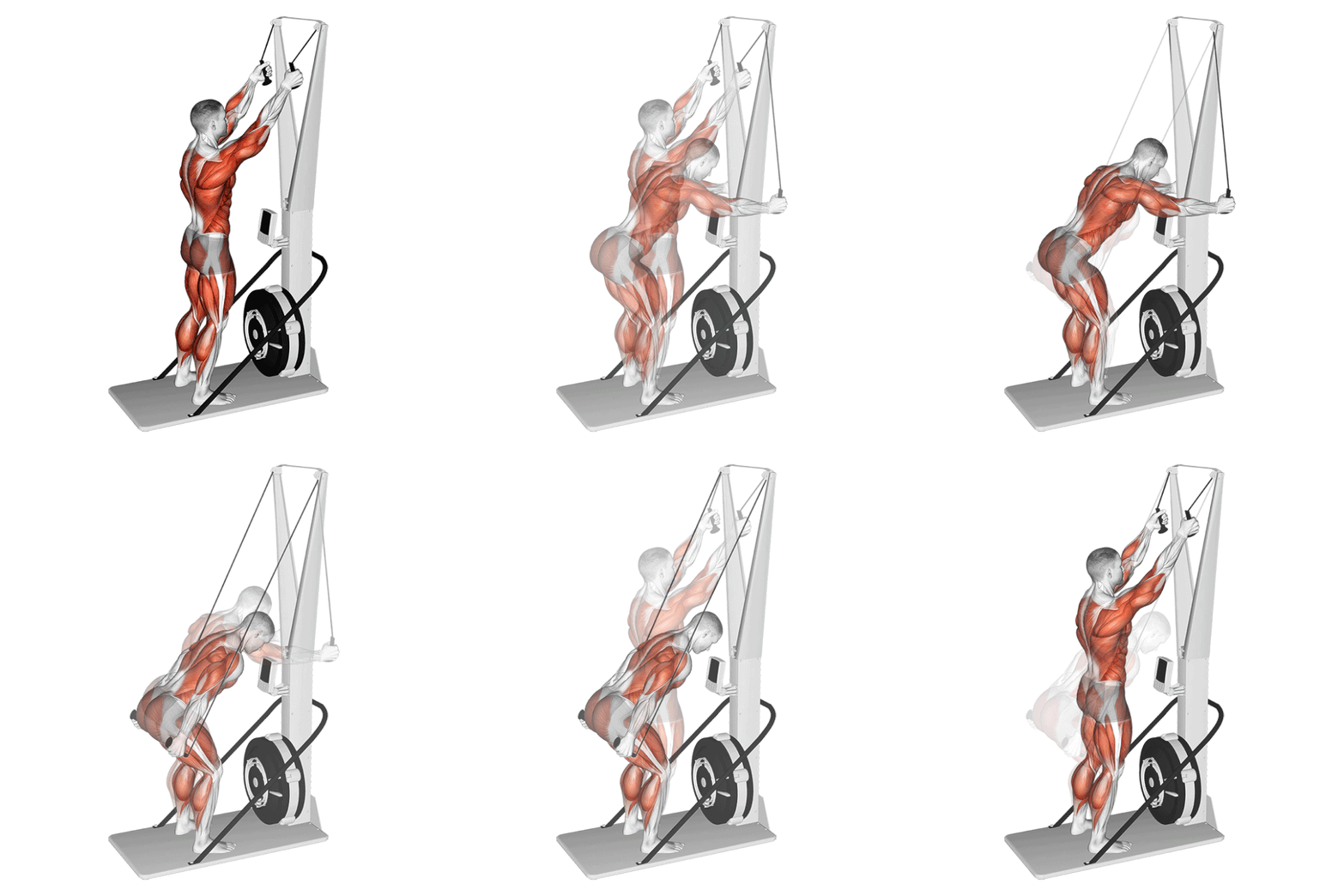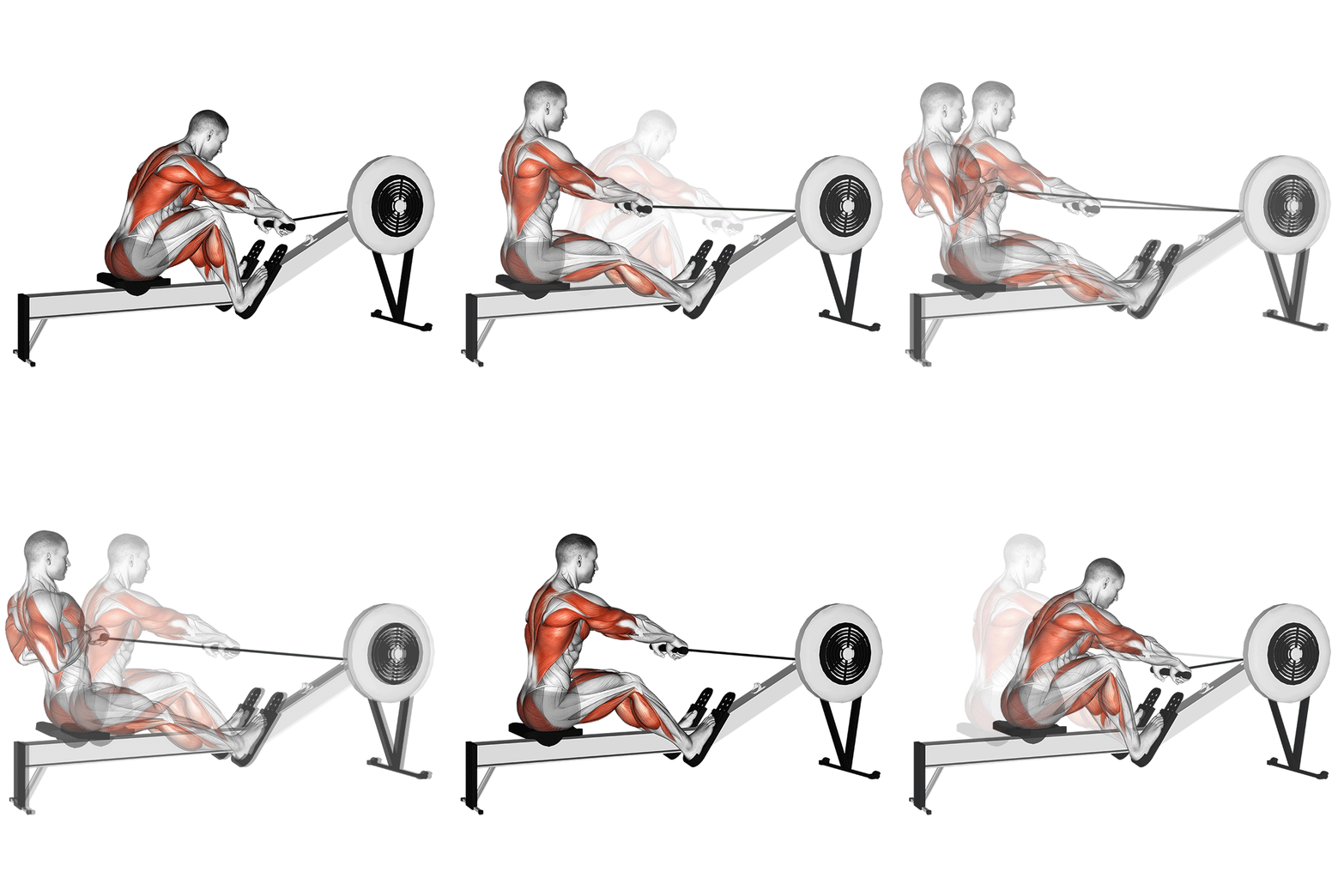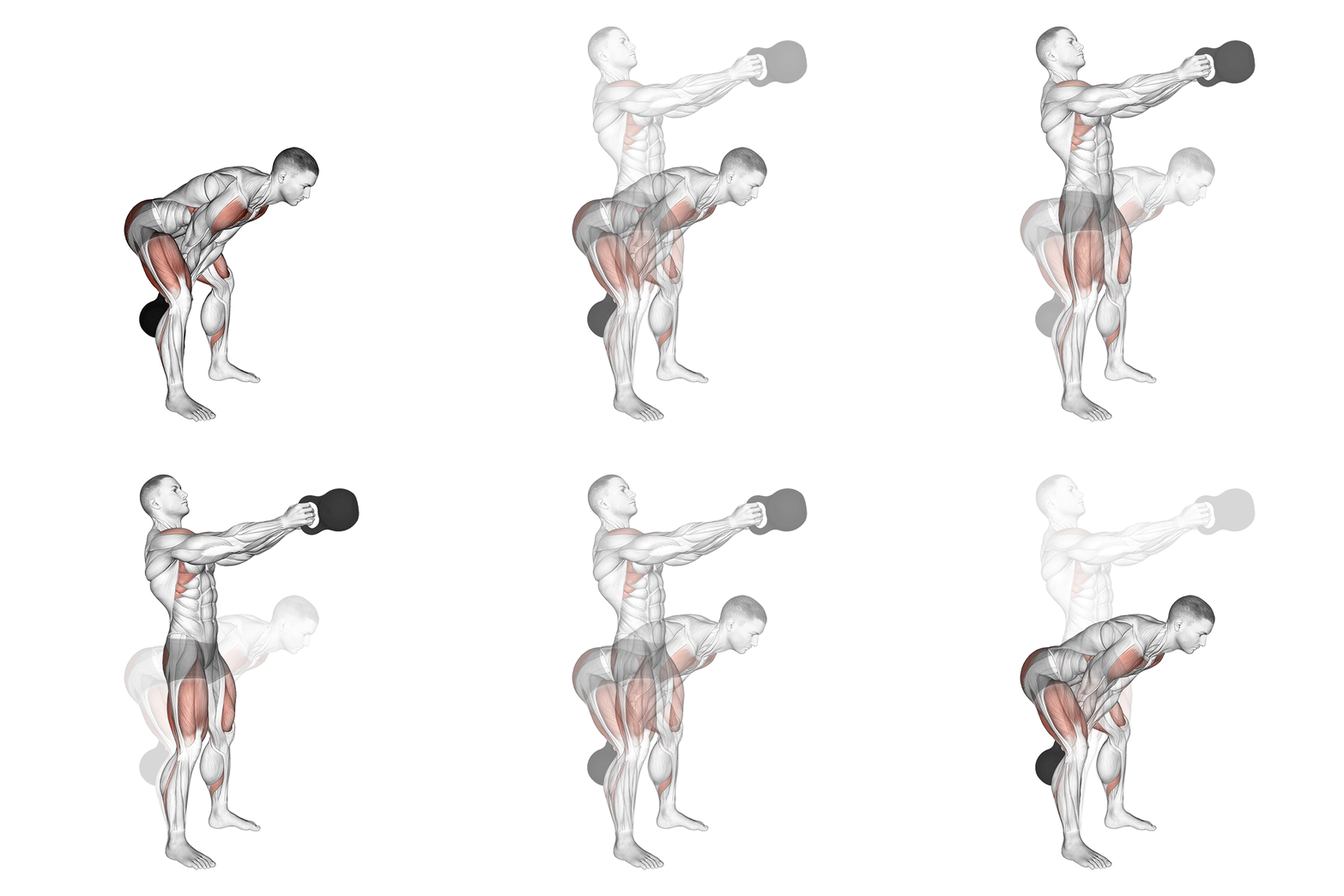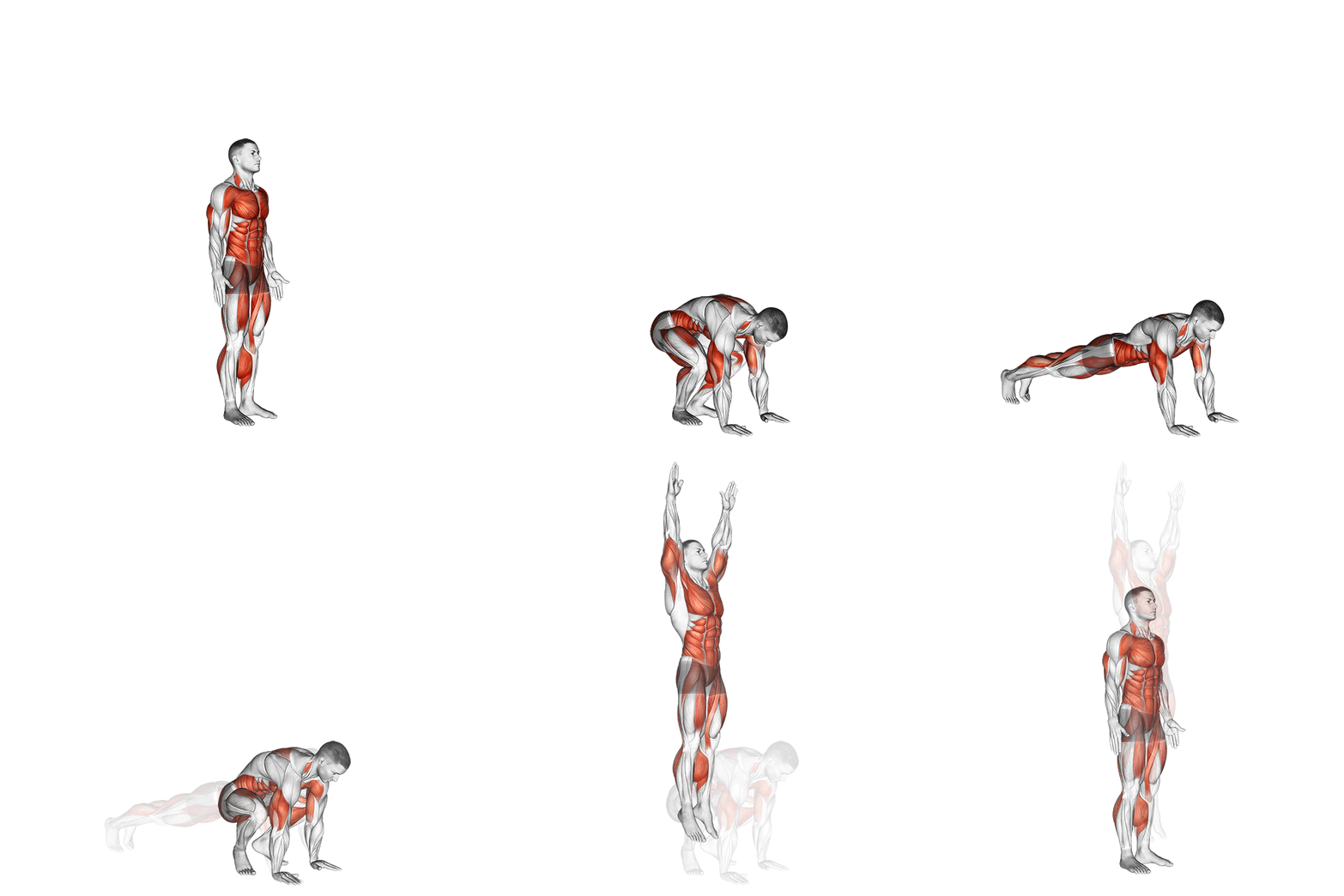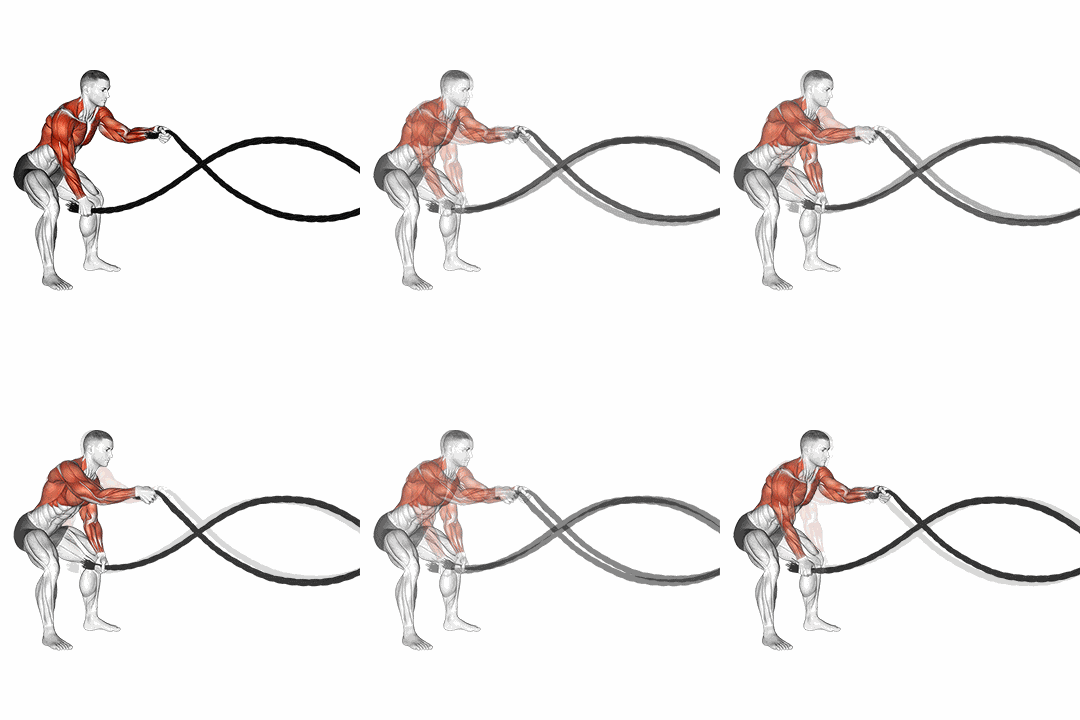
What is the battle ropes?
Battle ropes are a thick rope (usually 12 to 15 m, 38 to 50 mm) anchored at the wall. You grip one end in each hand and create waves or slams by driving the arms. The combined demand on the shoulders, lats, grip and core sends the heart rate sky high in 20 to 40 seconds. Because the feet stay grounded the joints stay safe, making ropes ideal for conditioning on heavy-leg or low-impact days.
How to do the battle ropes
- 1
Set the stance
Feet shoulder-width, hips and knees softly bent, ropes held in a hammer grip with slight slack. Brace the core like a quarter squat.
- 2
Drive from the lats
The wave starts at the lats and core, not the wrists. Imagine punching downward into the floor, the rope amplifies the strike.
- 3
Match the rhythm
Most patterns use alternating waves (left up, right down) at 2 to 3 hits per second. Keep the cadence steady, not frantic.
- 4
Hold posture under fatigue
When the shoulders burn the temptation is to fold over. Keep chest tall, hips low, breathe through the nose. Form > duration.
Pro tip
Treat ropes like a sprint, not a jog. 30 seconds all-out then 60 seconds full rest builds far more power than 5-minute slow waves. Quality of each strike, every strike.
Common mistakes
Using only the arms.
Whipping the wrists fries the forearms in 15 seconds and leaves the engine untouched. Drive from hips, core and lats.
Standing too upright.
A straight stance shifts everything to the shoulders. Soft athletic position with a hinge keeps the chain connected.
Going too long.
2-minute sets become weak arm flapping. 20 to 40 seconds of true intensity beats 2 minutes of slop.
Slack rope.
Standing too close to the anchor kills the wave. Step back until the rope is taut at the start of each strike.
Variations and progressions
Easier
Single-arm alternating waves
Alternate one arm at a time at a slower cadence. Lower intensity, easier to keep form for full 30-second sets.
Harder
Double slam with squat
Both arms slam down together while you drop into a quarter squat. Adds a leg drive and doubles the cardio cost.
No ropes?
Assault bike or skierg sprints
Same cardio profile, similar arm and core demand. 30 s sprint / 60 s rest matches the rope template closely.
How to program it
Three protocols by goal. Pick one per cycle and aim for progression on load or distance.
| Goal | Sets × distance | Load | Rest |
|---|---|---|---|
| Technique | 5 × 20 s | Bodyweight | 60 s |
| Conditioning intervals | 8 × 30 s | All-out | 60 s |
| Finisher | Tabata 20/10 × 8 | All-out | 10 s |
Battle Ropes FAQ
Do battle ropes build muscle?
They build conditioning and muscular endurance more than size. The shoulders, forearms and core get denser and more resilient, but for hypertrophy you still need progressive overload with weights. Use ropes as a conditioning finisher, not as your main upper-body driver.
How long should each set last?
For intensity work, 20 to 40 seconds. Beyond that the strikes lose power and you train weakness. For lower-intensity capacity work, 60 to 90 seconds at a steady pace. Match the duration to the goal of the session, not to a stopwatch ego challenge.
Are battle ropes good for fat loss?
Yes as one tool among many. A 20-minute interval rope session burns 250 to 400 kcal and protects the joints from running impact. But the lever that decides fat loss is still calorie balance. Use ropes to add quality cardio, not to outrun a poor diet.