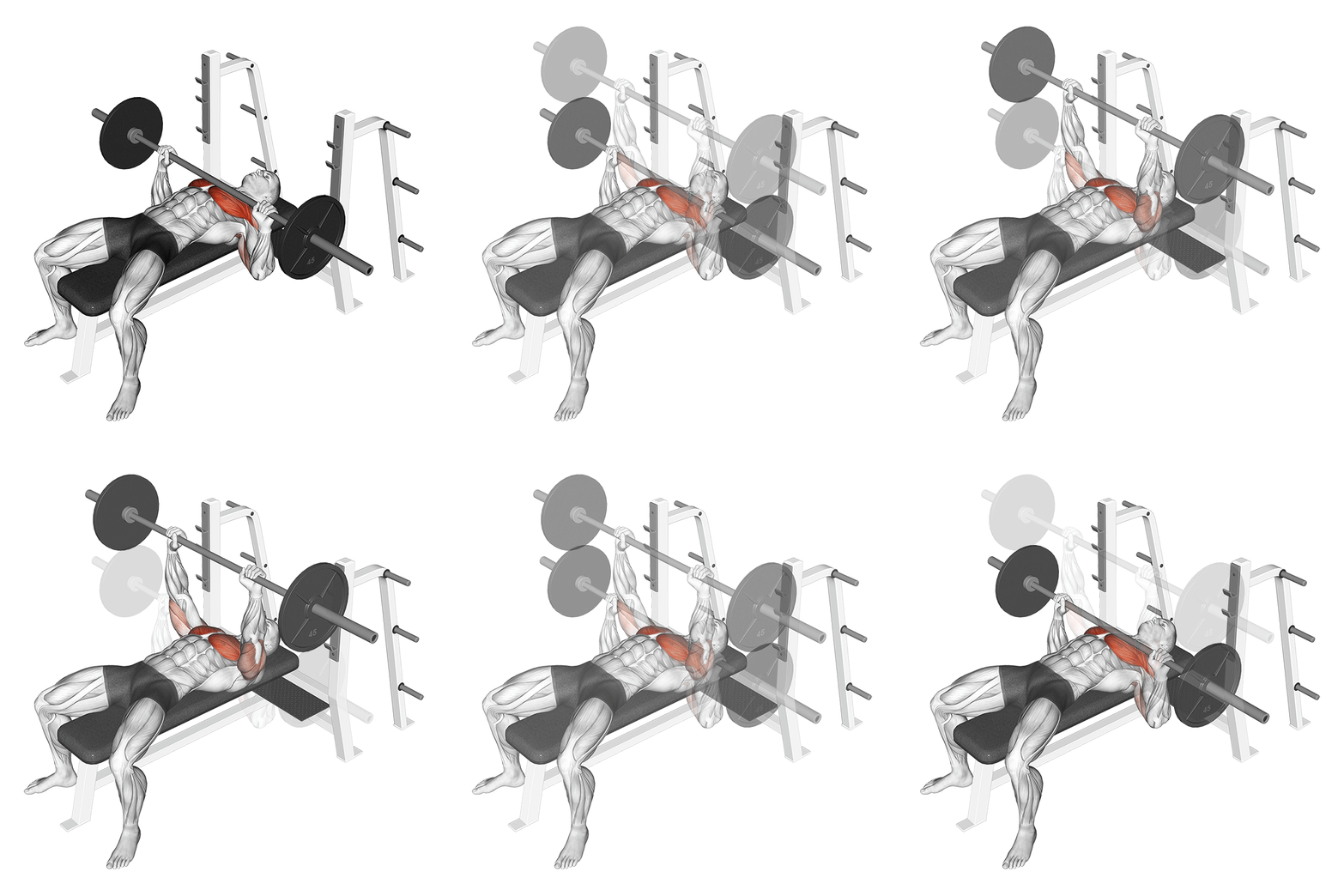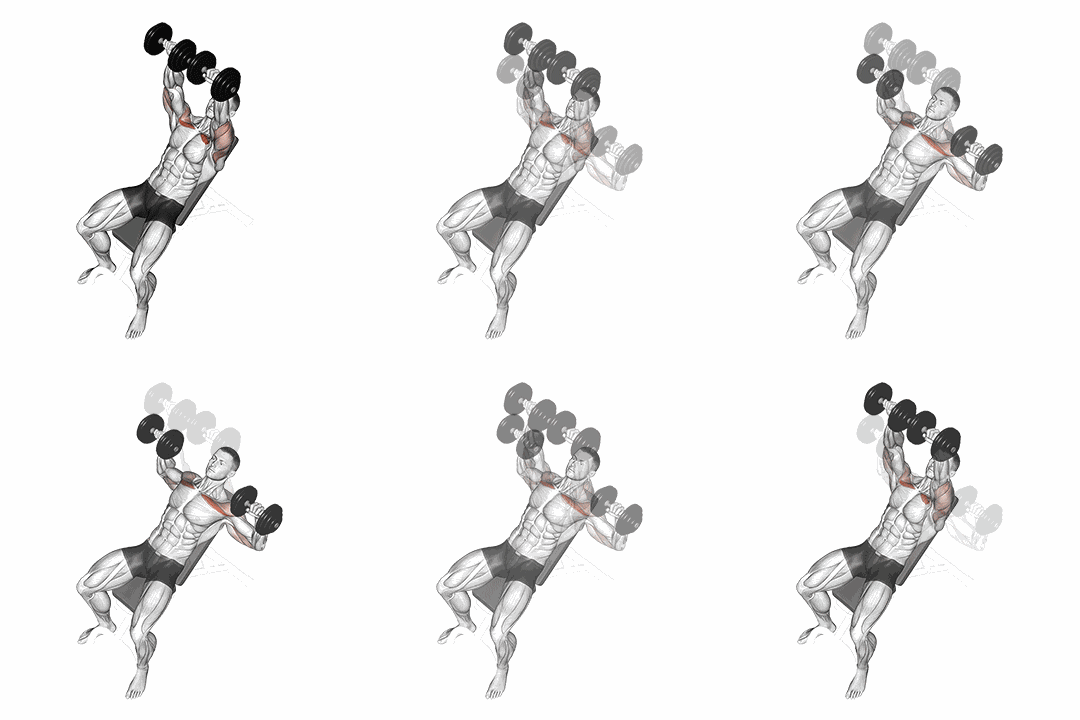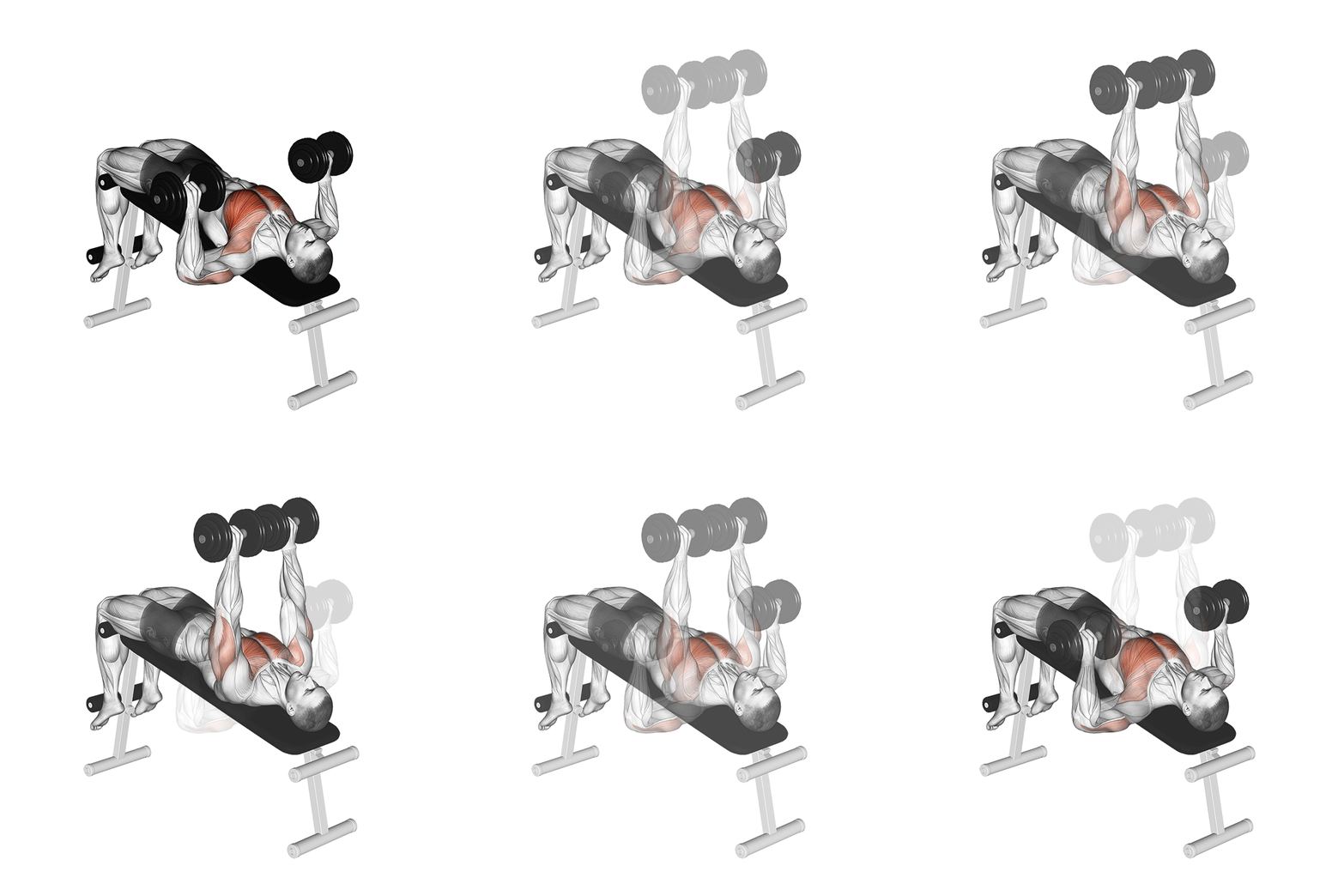
What is the decline dumbbell bench press?
The decline dumbbell bench press is done on a bench angled fifteen to thirty degrees below horizontal, with feet locked at the top. The decline shifts the press toward the sternal head of the pec, builds the lower-chest line, and reduces front-delt involvement. Using dumbbells instead of a bar gives each shoulder its own path, which is friendlier to lifters with cranky shoulders or asymmetries.
How to do the decline dumbbell bench press
- 1
Lock the feet, sit back
Hook the legs under the pads, sit on the bench with the dumbbells on your thighs.
- 2
Kick the dumbbells up
Lie back as you knee-kick the bells into position over the lower chest. Don't fight them into place from a dead start.
- 3
Lower with control
Bring the dumbbells down toward the lower pec, elbows at about forty-five degrees from the torso, two seconds down.
- 4
Press and squeeze
Drive the bells up and slightly together at the top, squeezing the lower chest hard. Don't smash them, control the lockout.
Pro tip
If you don't have a spotter, set the bench at the smallest decline that still feels declined. Coming up with heavy dumbbells from a steep angle is where shoulders get hurt.
Common mistakes
Lowering to the upper chest.
The bar path should hit the lower pec, otherwise it's just an awkward flat press. Re-target the touchpoint.
Elbows flared at 90 degrees.
Wide elbows on a decline crush the front of the shoulder. Keep them tucked closer to forty-five.
Bouncing the bells off the chest.
Decline plus bounce equals injury. Two-second negative, brief pause, then press.
No spotter, no plan.
If you fail a decline rep, the dumbbells go past your face. Always know your exit, drop them outward.
Variations and progressions
Easier
Slight decline (10-15°)
Use the smallest decline you can find. Same target fibres, way less shoulder stress on the way up.
Harder
Decline neutral-grip press
Rotate the dumbbells palms facing each other. Tighter elbows, more inner-pec squeeze at the top.
No decline bench?
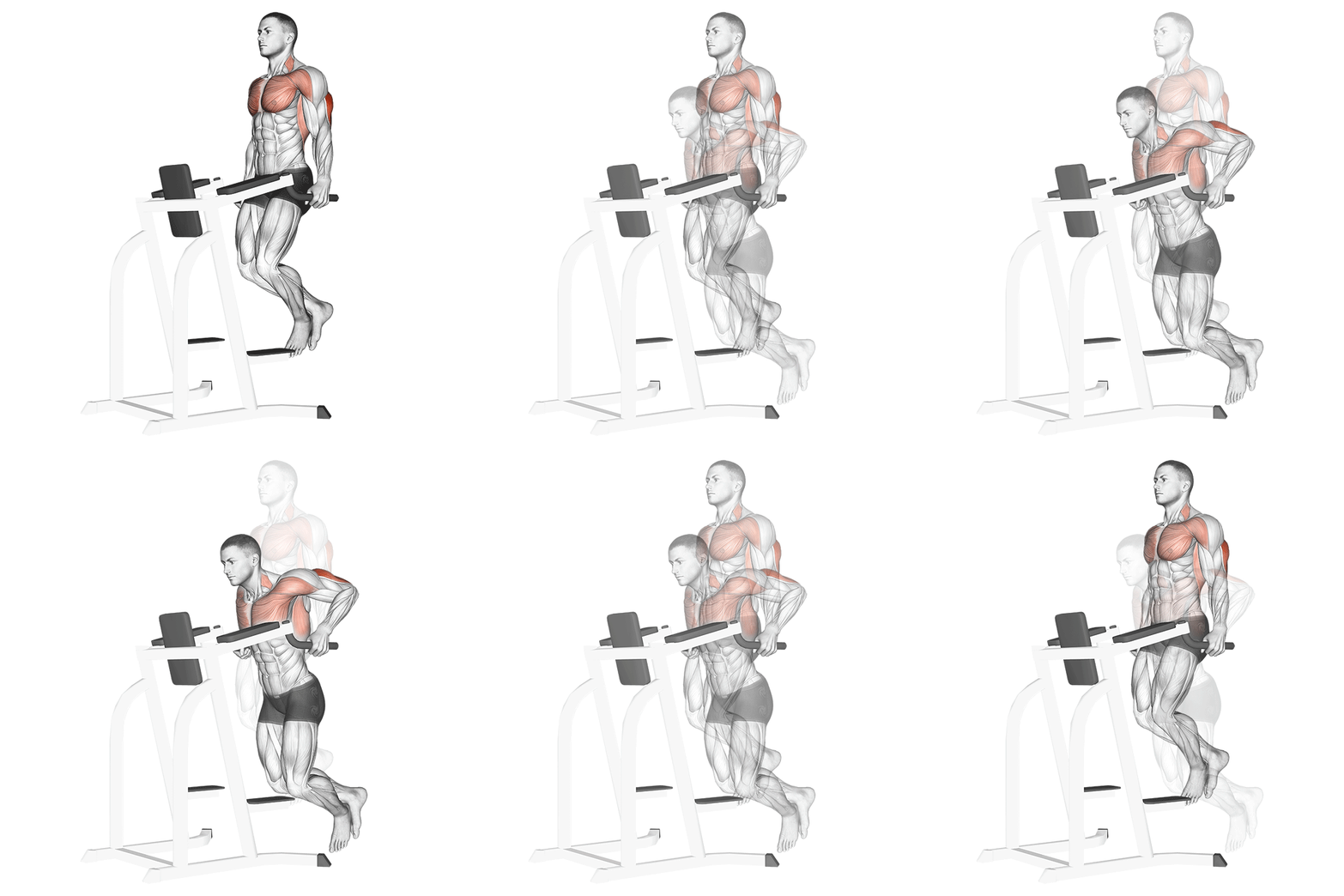
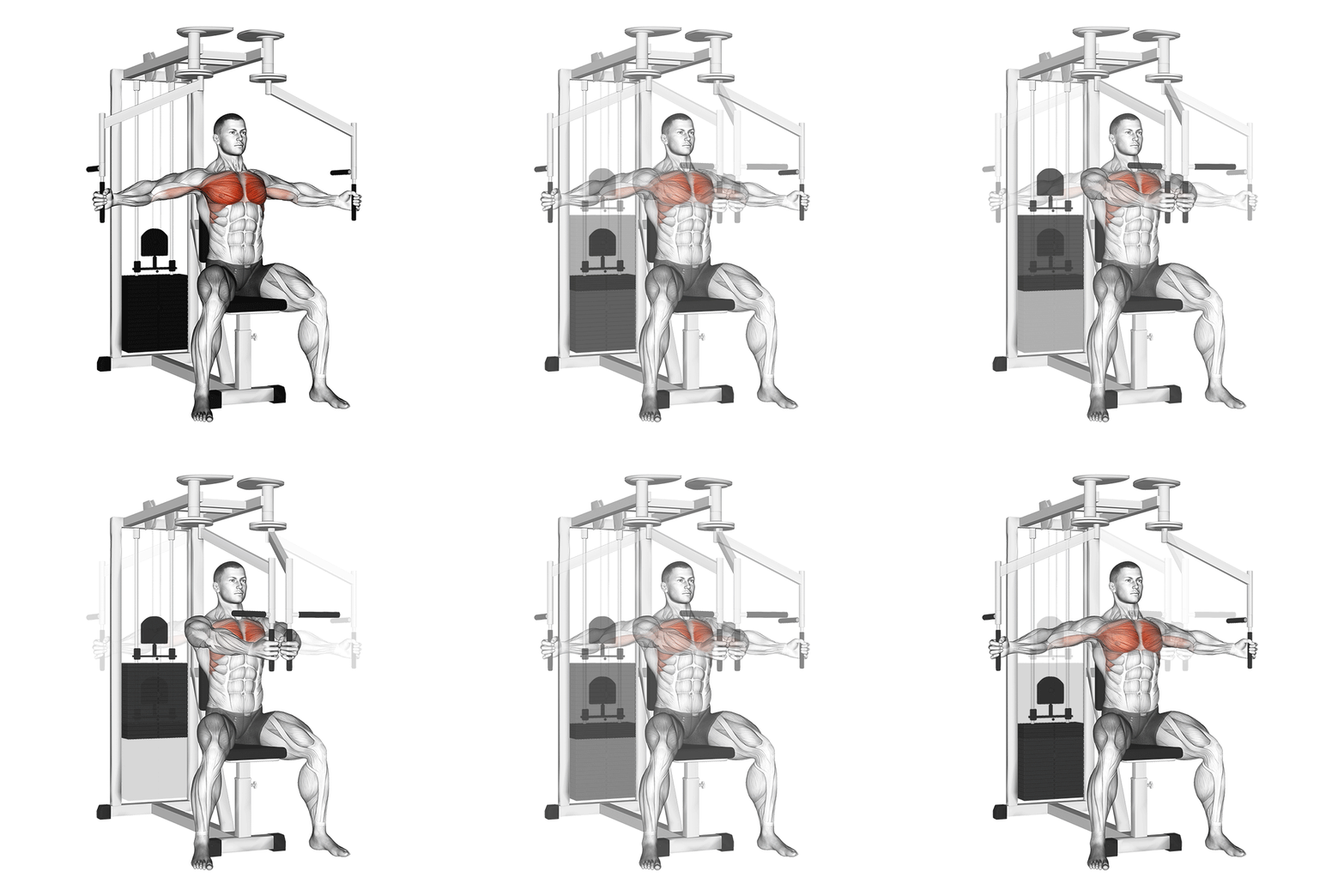
Dips or low-cable fly
Both bias the lower chest. Dips are the closest free-weight match for the same fibres.
How to program it
Three protocols by goal. Pick one per cycle and aim for progression on load or distance.
| Goal | Sets × distance | Load | Rest |
|---|---|---|---|
| Strength | 4 × 5-6 reps | 30-40 kg / hand | 2 min |
| Hypertrophy | 4 × 8-10 reps | 22-30 kg / hand | 90 s |
| Volume finisher | 3 × 12-15 reps | 15-20 kg / hand | 60 s |
Decline Dumbbell Bench Press FAQ
Does decline pressing really hit the lower chest more?
EMG studies show a moderate but real increase in lower-pec activation versus flat bench, and a decrease in front-delt involvement. The visible effect is more pec width at the sternum line and a thicker lower border. It's not magic, it's a targeted tool, useful when flat bench has plateaued the chest.
Is decline pressing bad for the shoulders?
Done correctly, no. The decline angle actually reduces front-delt stress versus a flat or incline press. The risk comes from getting under the bells and pressing through failure without a spotter. Use moderate declines, dumbbells over a barbell, and never grind a rep alone.
How often should I include decline pressing?
Once a week is usually enough if you're already doing flat and incline work. Programme it as the second pressing movement of a chest day, four sets in the eight-to-ten range. Two presses plus an isolation is a complete chest day for most lifters.