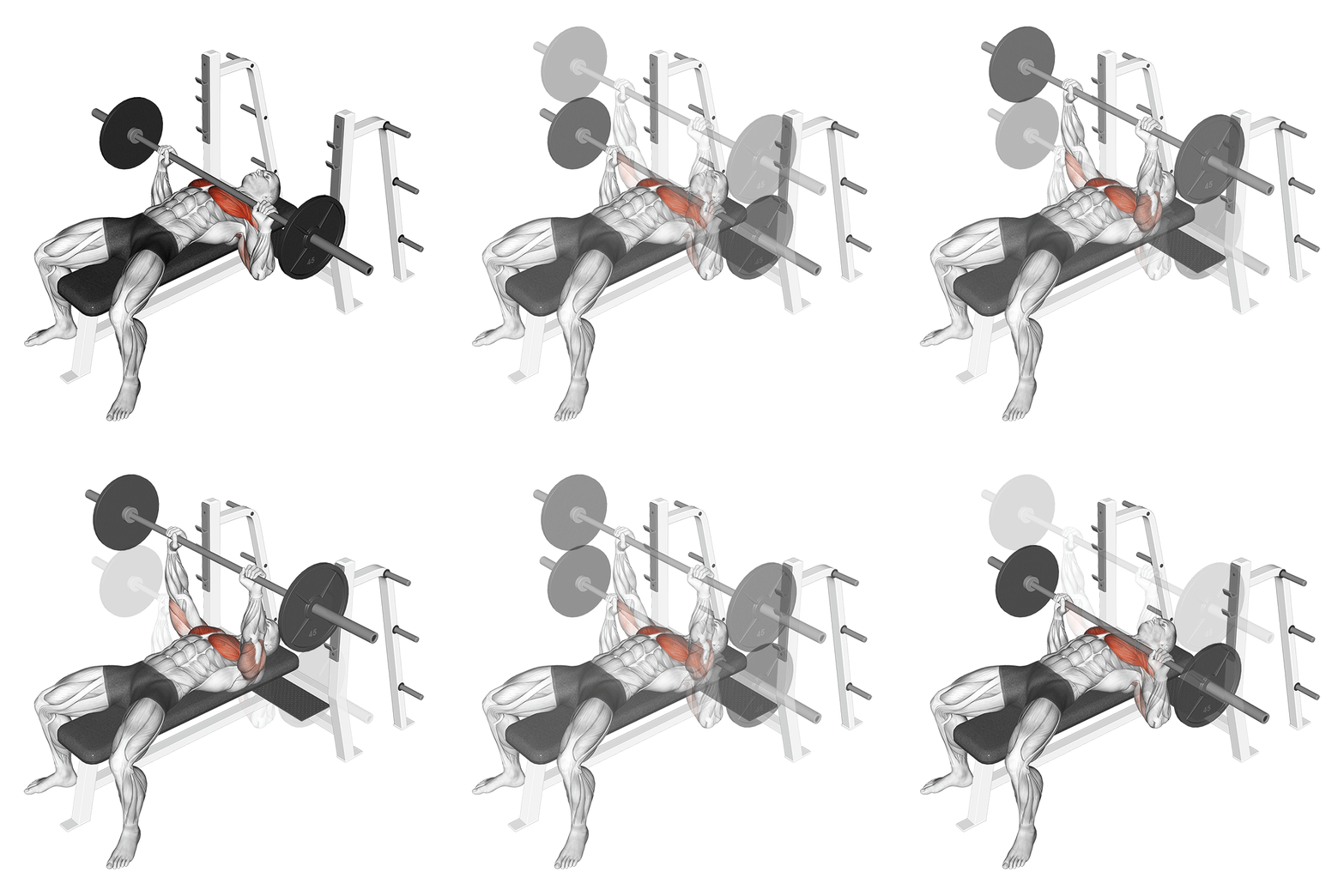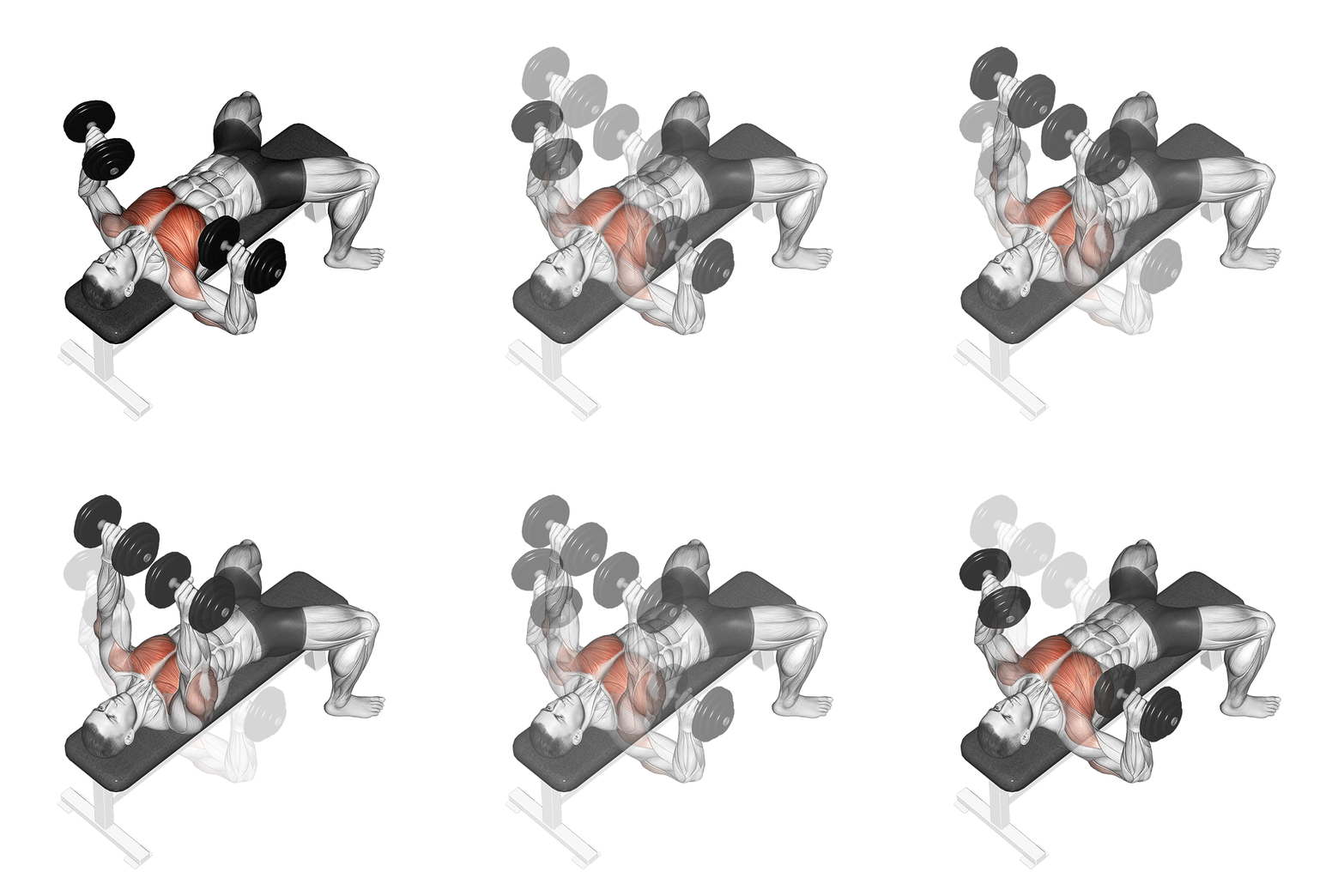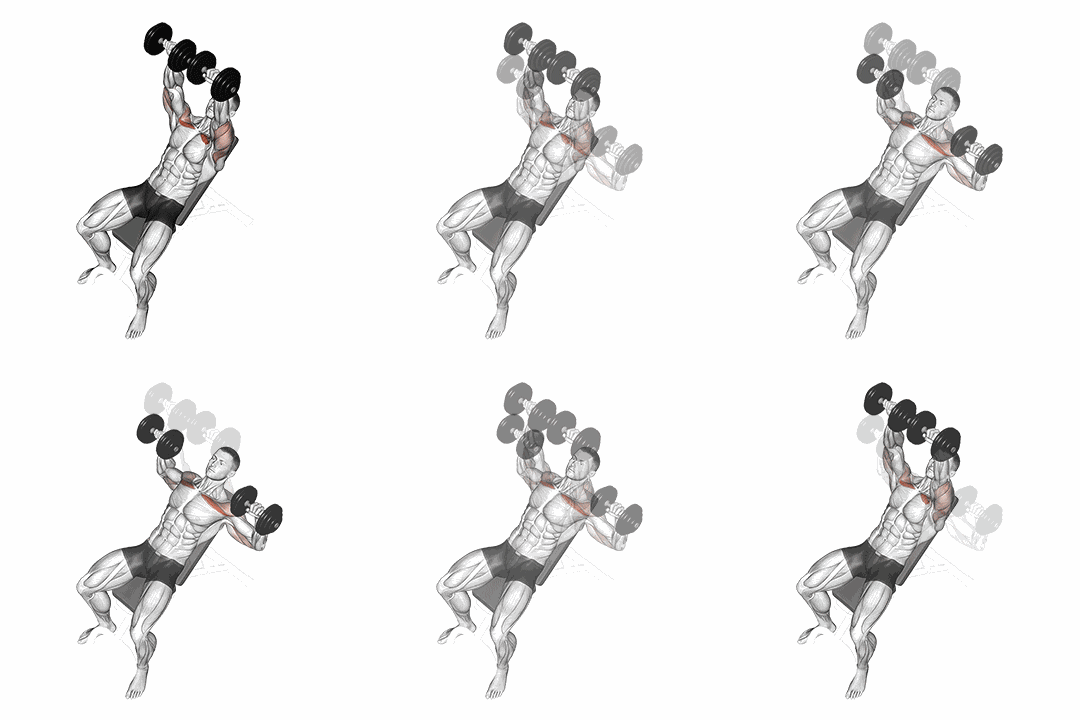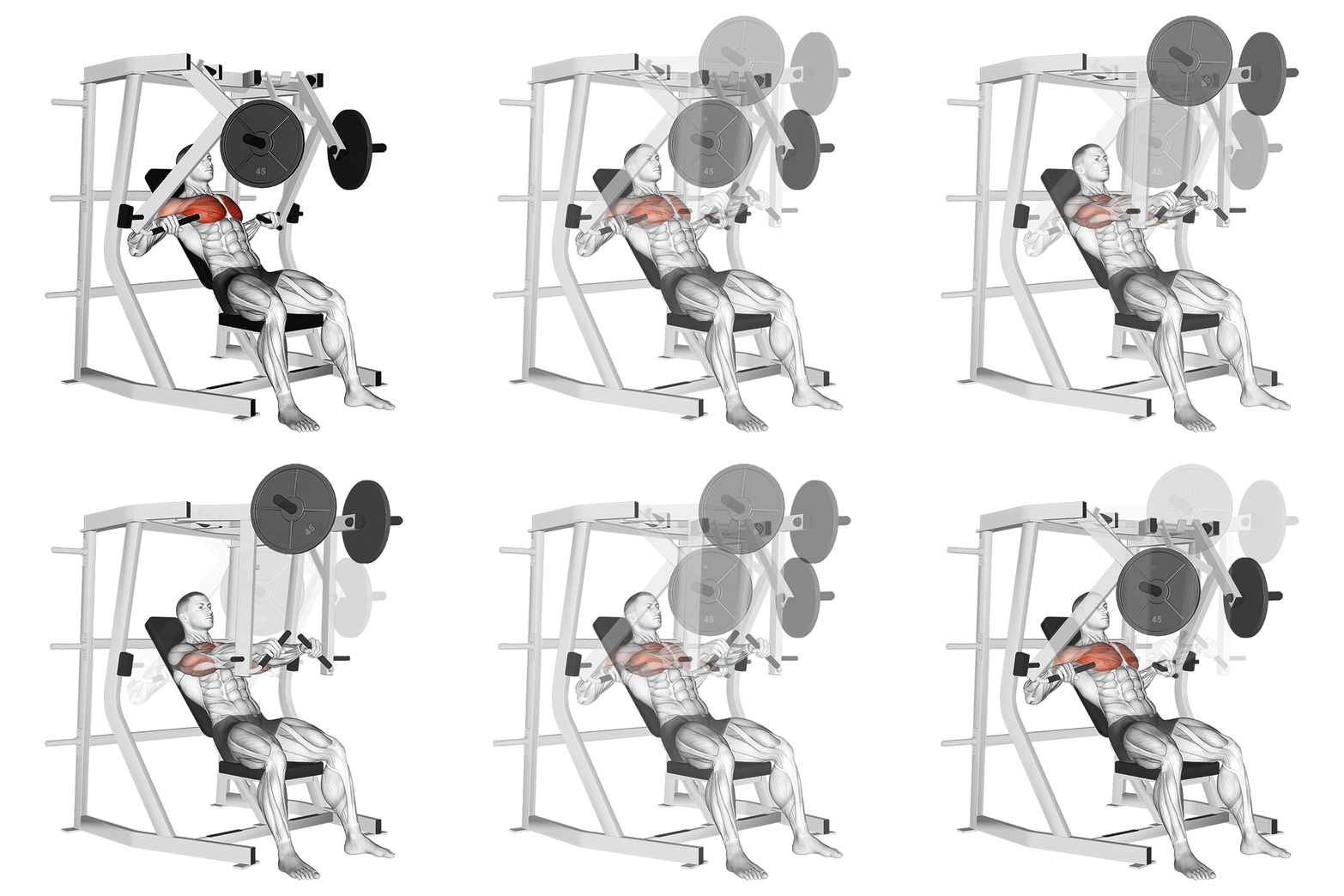
What is the decline chest press?
The decline chest press is a horizontal-to-downward press performed on a plate-loaded or selectorized decline machine. You sit or recline, grip the handles at lower-chest level, and drive them forward and slightly down. The angle shifts emphasis to the sternal and lower pectoral fibres and reduces shoulder strain compared to flat or incline pressing. It's a hypertrophy staple, especially valuable for building lower-chest mass and giving a heavy chest day without taxing the front delts.
How to do the decline chest press
- 1
Adjust the seat
Set the seat so the handles sit at your lower-chest level when you grip them. Pad against your upper back, feet planted.
- 2
Set your start
Grip the handles, shoulder blades pinned down and back, ribcage tall. Brace the core. Eyes forward.
- 3
Press forward and down
Drive the handles along the machine path until elbows almost lock. Squeeze the chest at the top, no clanging.
- 4
Return under control
2-3 s back to start, handles stopping at chest level. Don't let the stack clink, keep the muscle loaded.
Pro tip
Think of pushing the handles slightly down rather than straight forward. That subtle angle change recruits the lower-chest fibres far more than a flat press path.
Common mistakes
Shoulders rolling forward.
Loses chest tension and stresses the joint. Keep the shoulder blades pinned back the whole set.
Half-rep range.
Stopping short of full ROM short-changes the lower-chest stretch. Bring the handles back to chest level every rep.
Locking elbows hard.
Slamming into lockout dumps load on the joint. Stop just shy of straight and re-load the muscle.
Seat too high.
If the handles sit above the chest, the lift becomes a shoulder press. Drop the seat so the start aligns with the lower sternum.
Variations and progressions
Easier
Neutral-grip decline press
Use the parallel-grip handles. Easier on the shoulders, same lower-chest emphasis.
Harder
Single-arm decline press
Press one side at a time. Reveals imbalances and forces anti-rotation work.
No machine?
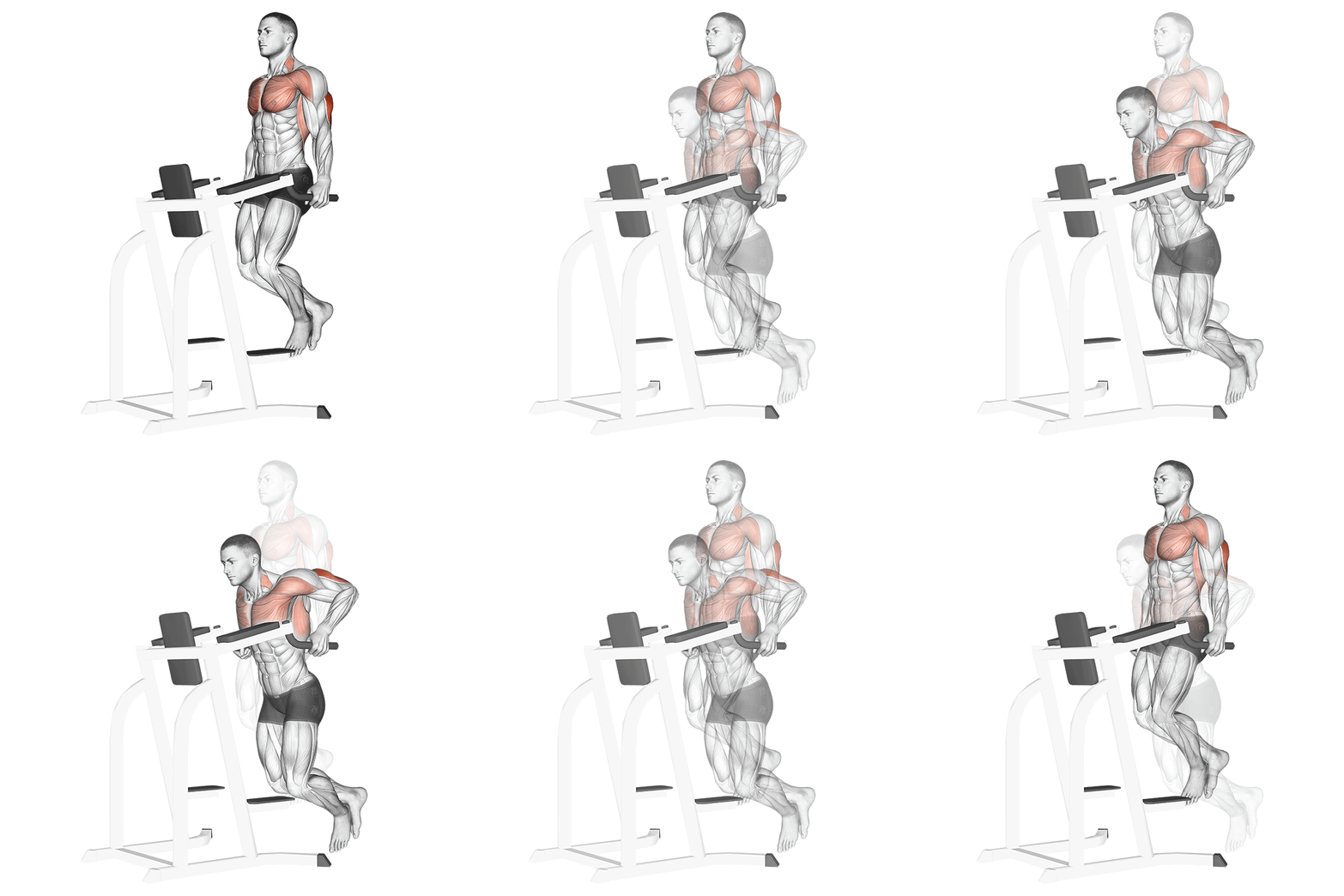
Dips
Bodyweight dips with a slight forward lean torch the lower chest. Same emphasis, more stabiliser demand.
How to program it
Three protocols by goal. Pick one per cycle and aim for progression on load or distance.
| Goal | Sets × distance | Load | Rest |
|---|---|---|---|
| Hypertrophy | 4 × 10-12 | Moderate, RIR 1-2 | 90 s |
| Strength | 5 × 6 | Heavy, controlled | 2 min |
| Volume finisher | 3 × 15-20 | Light | 45-60 s |
Decline Chest Press FAQ
Decline or flat press for lower chest?
Decline wins for direct lower-chest stimulation. Flat bench still hits the lower fibres but spreads load across the whole pec. Best to keep flat bench as your A-lift and add a decline press once a week for 4 sets to bias the lower chest.
Is the decline press safer for the shoulder?
Generally yes. The downward angle reduces front-delt involvement and keeps the shoulder in a more neutral position than incline pressing. For lifters with cranky shoulders, a machine decline can replace barbell bench during deload or rehab weeks.
Should I add it if I already do dips?
If your dips are strong, you don't need the machine for stimulus, but it's still useful for high-rep work without grip or stabiliser fatigue. Run dips heavy and add machine decline at 12-15 reps for volume. The two together are a complete lower-chest plan.