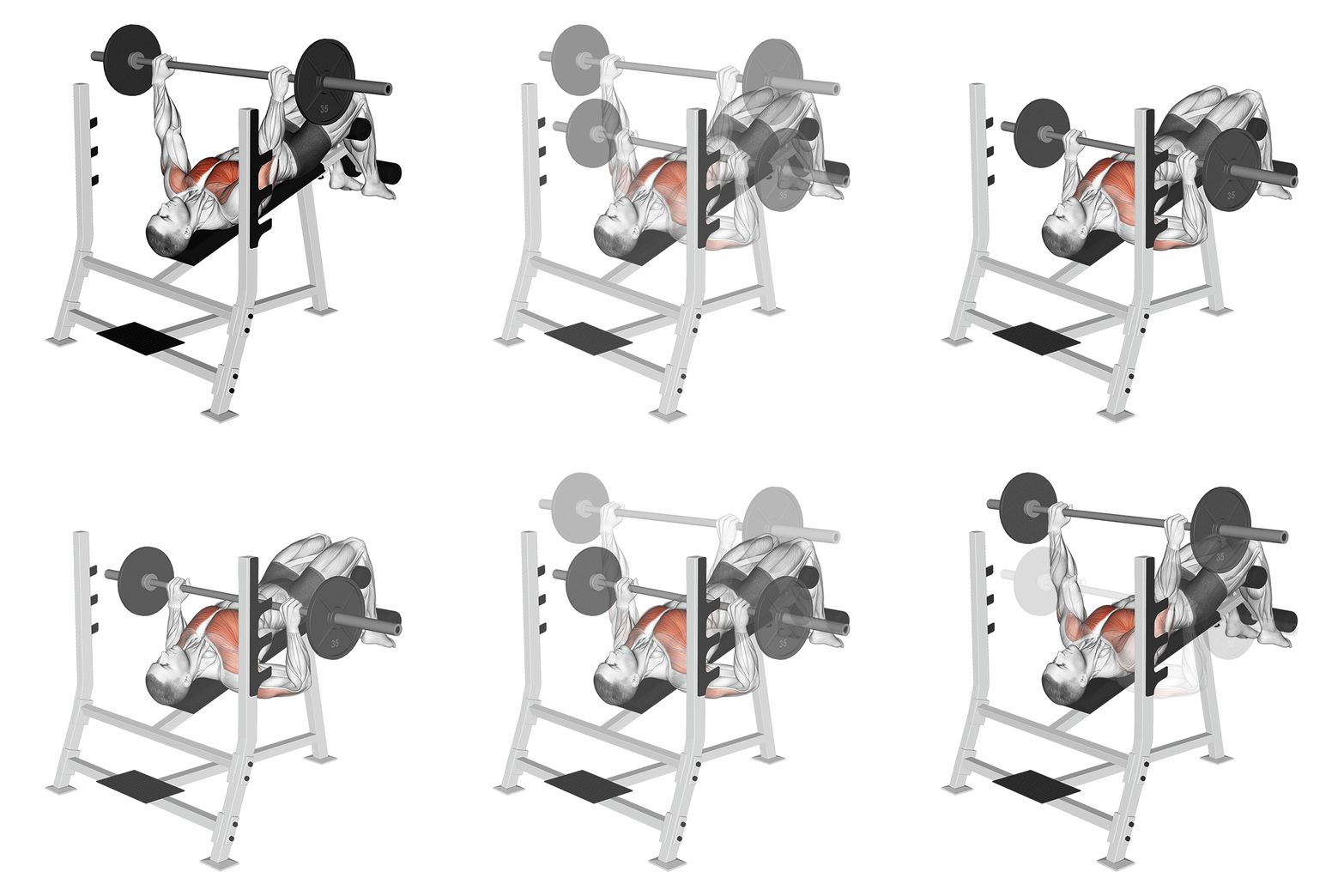
What is the decline barbell bench press?
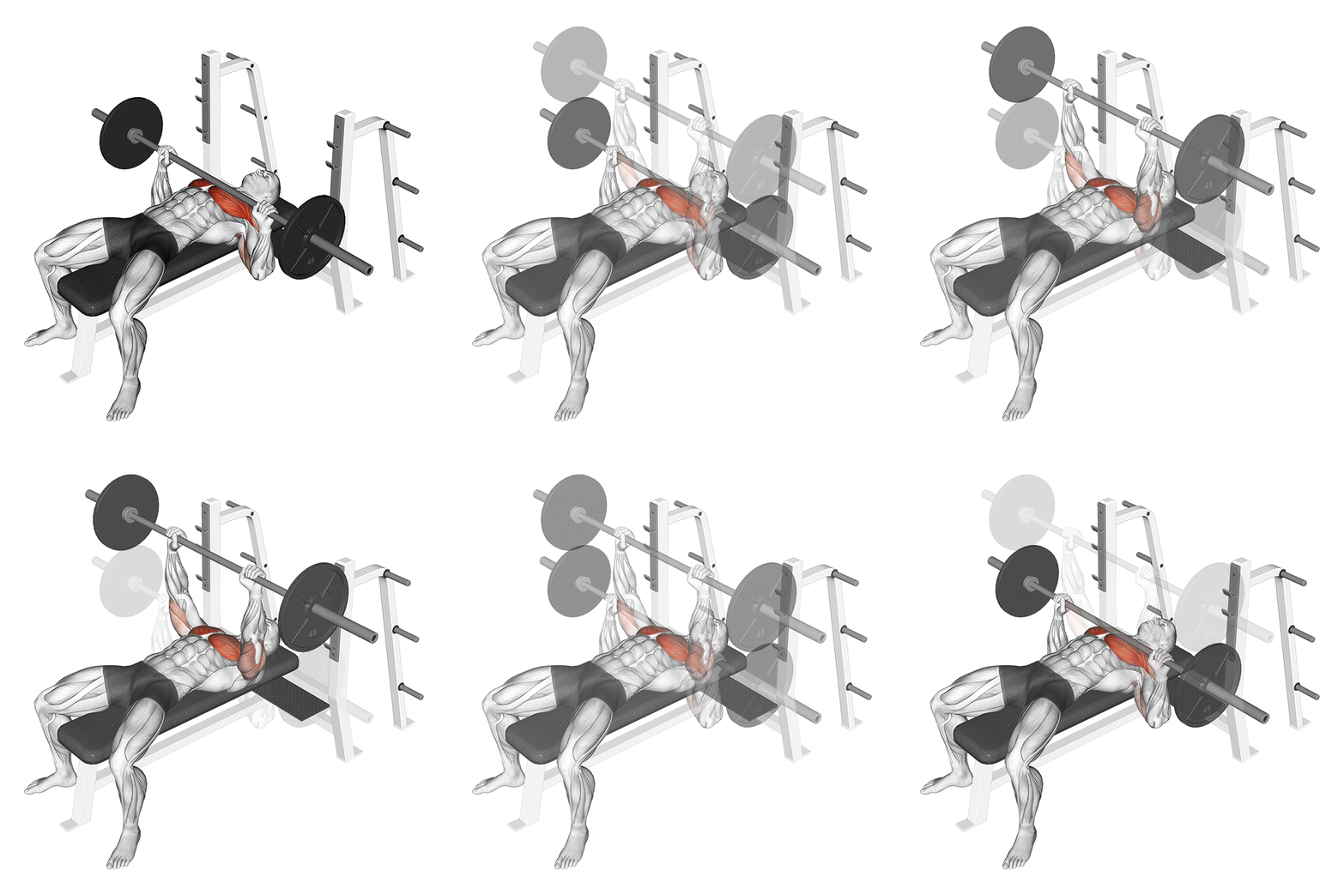
The decline bench press is performed on a bench inclined 15 to 30 degrees downward. The pressing angle shifts the stress from the upper chest and front delts to the lower portion of the pectoralis major. Most lifters press more weight in decline than flat because the range of motion is shorter and the lower chest is mechanically advantaged. It's an excellent shoulder-friendly press for athletes who get a sore front delt from heavy flat benching.
How to do the decline barbell bench press
- 1
Lock in on the bench
Hook your ankles under the leg pads. Slide down so your eyes are under the bar. Feet pressing into the pads, hips down.
- 2
Grip and unrack
Grip slightly wider than shoulders, wrists stacked over elbows. Have a spotter hand off, or unrack with control.
- 3
Lower to lower chest
Lower the bar to just below the nipple line. Elbows tucked around 60 degrees, not flared at 90.
- 4
Press in a straight line
Drive the bar back over the lower chest, not over the face. Lockout strong, ribcage stays high.
Pro tip
Always lift with a spotter. The decline puts you head-down with a loaded bar, getting stuck is genuinely dangerous solo.
Common mistakes
Bouncing off the chest.
The shorter range tempts you to bounce. Pause briefly and press, no rib-cage trampoline.
Flaring elbows wide.
Elbows at 90 hammer the shoulders. Stay around 60 degrees from the torso.
Pressing without a spotter.
Head-down failure traps you under the bar. Always grab a spotter or use safeties.
Slipping out of the leg pads.
Loose ankles mean your whole body shifts under load. Lock them in before each set.
Variations and progressions
Easier
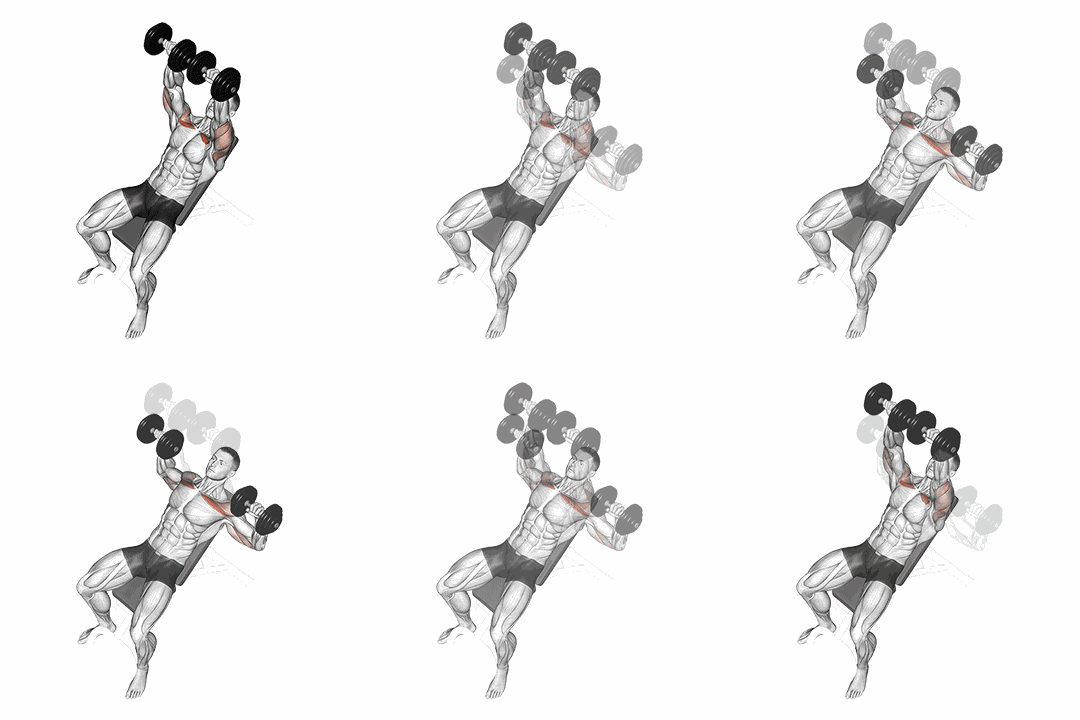
Decline dumbbell press
Dumbbells fix asymmetries and let you bail if a rep stalls. Better learning tool than the bar.
Harder
Paused decline bench
Pause the bar for 2 seconds on the chest. Kills the bounce and builds raw pressing strength.
No decline bench?
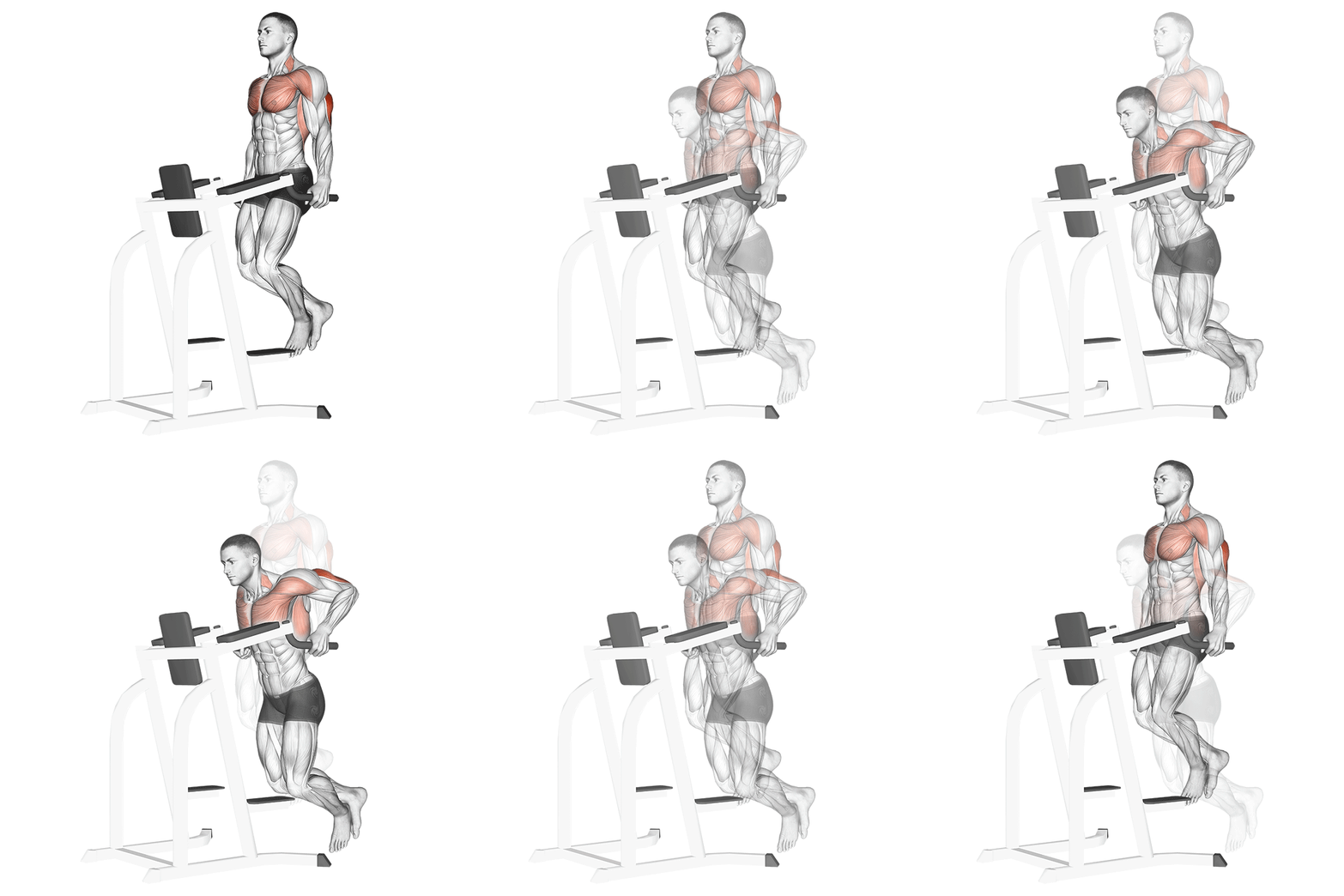
Weighted dips
Forward-lean dips with a weight belt hit the same lower-chest fibers without the bench.
How to program it
Three protocols by goal. Pick one per cycle and aim for progression on load or distance.
| Goal | Sets × distance | Load | Rest |
|---|---|---|---|
| Strength | 5 × 5 | 80-87% 1RM | 2-3 min |
| Hypertrophy | 4 × 8-10 | 70-78% 1RM | 90 s |
| Volume accessory | 3 × 12-15 | 60-65% 1RM | 75 s |
Decline Barbell Bench Press FAQ
Decline vs flat bench, which is better?
Different jobs. Flat builds overall pressing strength and the most muscle across the chest. Decline emphasizes the lower pec and is gentler on shoulders. Most balanced chest programs use flat as the main lift and decline (or dips) as a complement, not a replacement.
Why do I press more in decline than flat?
Two reasons. The range of motion is shorter because the chest is closer to the bar at the bottom, and the lower pec fibers have better leverage at this angle. Don't take it as proof you're stronger, take it as more load with less ROM and account for that in your programming.
Is it safe for blood pressure?
If you have hypertension or get headaches when you bear down, the head-down position can spike intracranial pressure. Skip it and use dips or flat bench instead. For healthy lifters with normal blood pressure, the decline is fine when performed with controlled breathing.