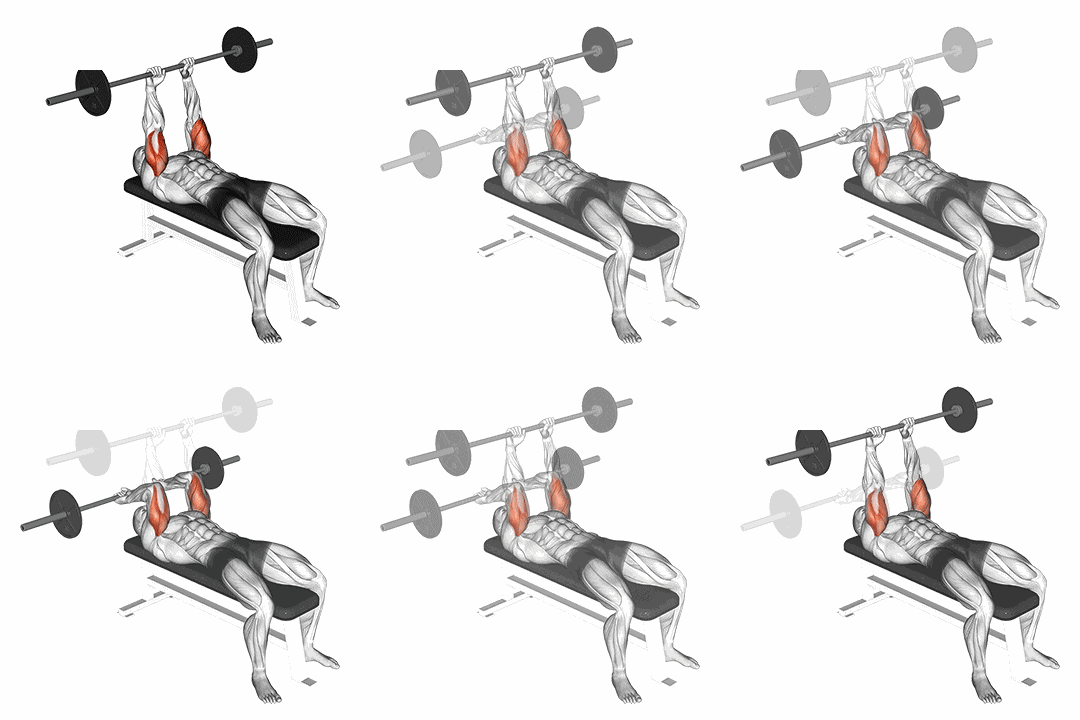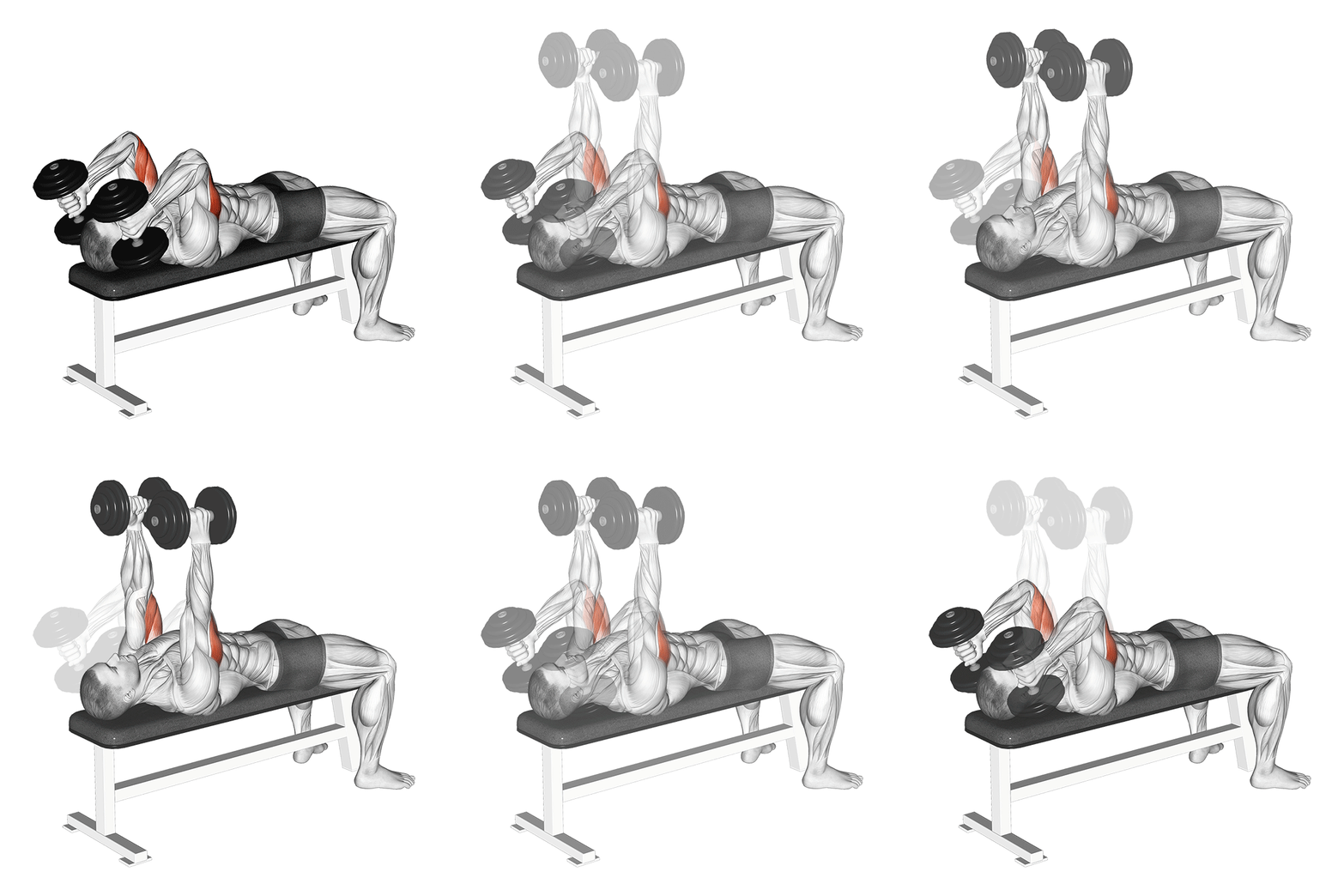
What is the dumbbell lying triceps extension?
The dumbbell lying triceps extension is a supine isolation lift where you hold a dumbbell in each hand and lower them behind or past your head, then extend the elbows back to lockout. Two dumbbells let each arm find its own path, which is much kinder to the elbows than an EZ bar fixed in pronation. Lowering past the head pulls the long head of the triceps under stretch, which is where it grows. It is one of the best long-head builders that does not require a cable stack.
How to do the dumbbell lying triceps extension
- 1
Set up flat or slight decline
Lie supine on a flat bench, feet flat on the floor. A slight decline (10 degrees) extends the line of pull and increases the stretch.
- 2
Start with arms angled back
Press the dumbbells up with neutral grip, then angle the arms back about 15 to 20 degrees so the elbows point toward the wall behind you.
- 3
Lower past the head
Hinge only at the elbow, lowering both dumbbells past the ears toward the top of the bench. Keep upper arms fixed.
- 4
Extend hard to lockout
Drive the dumbbells back up by extending the elbows only. Lock out at the top with a hard triceps squeeze.
Pro tip
The upper arms must stay quiet. If they swing forward to help, you turn this into a press. Fix the upper arms at the back-angled position, only the forearms move.
Common mistakes
Elbows flaring out.
Wide elbows shift load to the chest and stress the shoulder. Keep them stacked over the shoulders.
Vertical upper arms.
If the elbows point at the ceiling, the long head never stretches. Angle the arms back behind the shoulders.
Banging the dumbbells on the head.
Earning the nickname is bad practice. Lower with control past the ears, never drop the weight.
Wrist collapse.
Soft wrists at the bottom let the dumbbells tip. Keep wrists straight and locked.
Variations and progressions
Easier
Single-arm DB extension
One arm at a time with the free hand supporting the working elbow. Easier on elbow tracking and stretch control.
Harder
Decline DB extension with 2 s stretch
On a 15-degree decline, hold the bottom stretched position for two seconds each rep. Brutal long-head loading.
No bench?
Floor DB triceps extension
Lie on the floor, same setup. Shorter range stops at the floor, less stretch but easier on the shoulders.
How to program it
Three protocols by goal. Pick one per cycle and aim for progression on load or distance.
| Goal | Sets × distance | Load | Rest |
|---|---|---|---|
| Hypertrophy | 4 × 10-12 | Moderate DBs | 75 s |
| Stretch focus | 3 × 12 with 2 s pause | Light to moderate | 60 s |
| Strength accessory | 5 × 6-8 | Heavy DBs | 90 s |
Dumbbell Lying Triceps Extension FAQ
Dumbbells or EZ bar?
Dumbbells win on joint health, the EZ bar wins on max load. Each hand finds its own elbow path with dumbbells, which spares the elbow from the pronated fixed pattern that gives skull crushers their nickname. If your elbows have ever complained from EZ bar work, switch to dumbbells. If you have never had elbow issues and want to push absolute load, the EZ bar is fine.
Behind the head or to the forehead?
Past the head. Stopping at the forehead keeps the upper arms vertical and removes long-head stretch, which is the whole reason to do this lift. Angle the upper arms back about 20 degrees and lower the dumbbells past the ears, toward the bench behind your head. That's where the triceps gets the stretch-mediated growth signal.
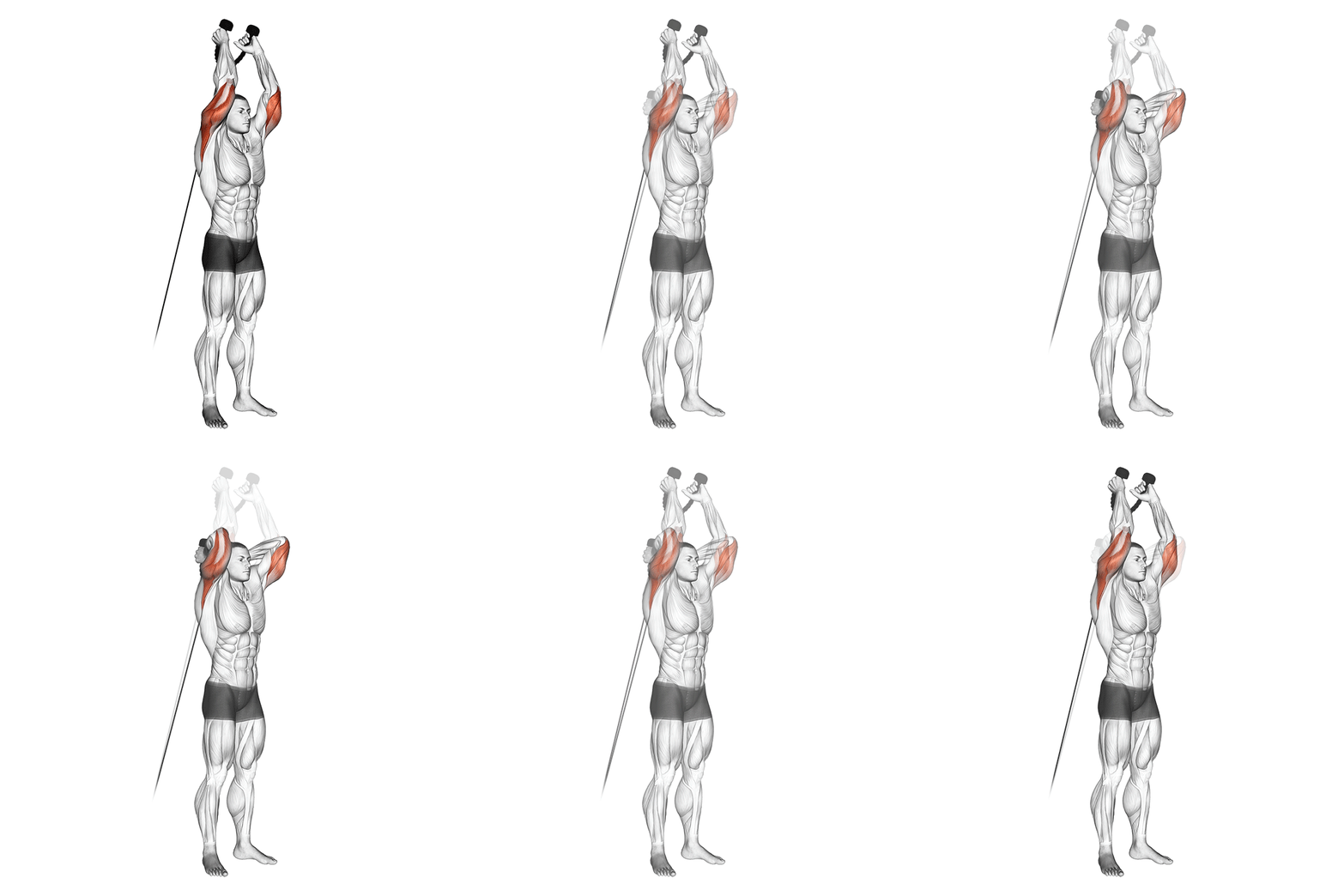
How does it fit with overhead cable extensions?
They are cousins, not duplicates. Lying DB extension loads better at heavy weight, cable overhead extension gives constant tension and a deeper stretch with shoulder flexion. A balanced triceps week could run DB lying extension on push day for load, cable overhead on a second push session for tension and pump. Two long-head moves a week is plenty.